Group · Fats and oils
Olive oil
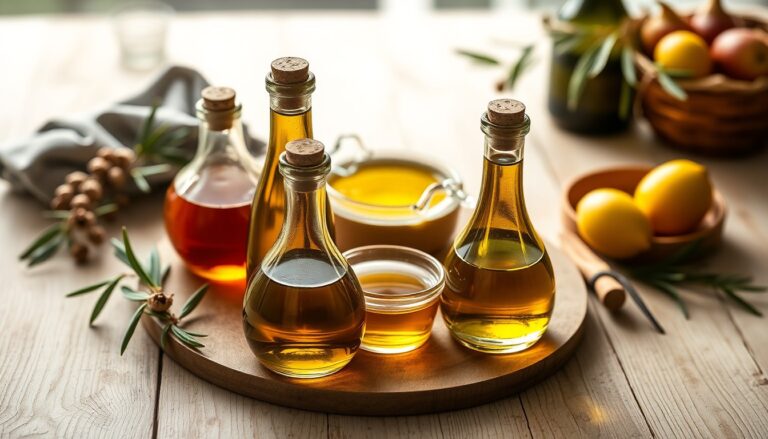
Olive oil is one of the cornerstones of the Mediterranean diet, made by pressing olives. It comes in different grades: extra virgin olive oil (first cold pressing, the highest quality), virgin and refined. Its green or golden colour and fruity aromas vary with the olive variety and the region it comes from. With 899 kcal per 100 g and 100% fat, it is a fat rich in monounsaturated fatty acids (oleic acid) and aromatic compounds. Enjoyed raw as well as for gentle cooking, it adds flavour and richness to dishes. Used in the right amounts, olive oil has its place in a balanced diet and is a go-to everyday fat.
Macronutrient breakdown
Nutrition table per 100 g
| Calories | 899 kcal |
| Kilojoules | 3700 kJ |
| Protein | 0,3 g |
| Fat | 99,9 g |
Micronutrients per 100 g
All measured nutrients, ranked by share of the daily reference intake.
- Vitamin E22,3 mg186 %
- Vitamin K158,1 µg77 %
- Omega-6 LA6,52 g65 %
- Omega-3 ALA0,65 g33 %
- Total omega-30,67 g27 %
- Vitamin A17,5 µg2 %
Anses Ciqual 2025. Source: Anses, 2025, Ciqual food composition table
Tips
In terms of nutrition facts, olive oil is made up entirely of fat: no protein, no carbohydrate, no fibre. Its value lies in the quality of its fats, mostly monounsaturated fatty acids, and in the aromatic and antioxidant compounds found in virgin oils. At around 90 kcal per tablespoon, it is very high in calories, so moderation is key, especially if you are watching your weight.
How should you use olive oil?
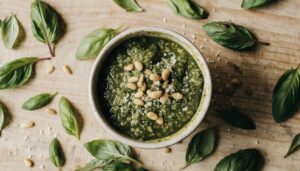
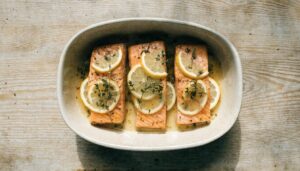
- Choose extra virgin olive oil raw to preserve its aromas: salad dressings, drizzled over vegetables, fish or toast.
- For cooking, it copes well with moderate temperatures (pan-frying, slow cooking). Don’t let it smoke, as this spoils its qualities.
- Allow a reference portion of one to two tablespoons per meal depending on your needs, and use a measuring spoon rather than pouring by eye.
- Keep the bottle tightly closed, away from light and heat, to limit oxidation.
In the kitchen, olive oil goes just as well with seasonal vegetables as with fish and wholegrains. It is the heart of the Cretan diet, known for its balance. You can alternate it with other fats depending on the dish, for example rapeseed oil for its omega-3 profile, ideal for cold dressings.
Tips if you exercise: olive oil is a dense source of energy that is easy to add to meals. A drizzle over your starchy foods or vegetables after training helps top up your calorie intake, which is especially useful when bulking or during heavy training periods. When cutting, keep it but measure it precisely, as every spoonful quickly adds up in your energy balance. For more on balancing your intake, see our fitness nutrition guidelines.
Watching your weight: its many benefits for flavour shouldn’t make you forget its calorie density. A small amount of good quality oil, spread well across your meals, is better than generous, unmeasured use. Olive oil remains an excellent choice for weight loss as long as you measure it. To see how its calories compare with other foods, take a look at the calorie table. Used well, it brings flavour and enjoyment without upsetting the balance of your plate.