Group · Fruit
Apple
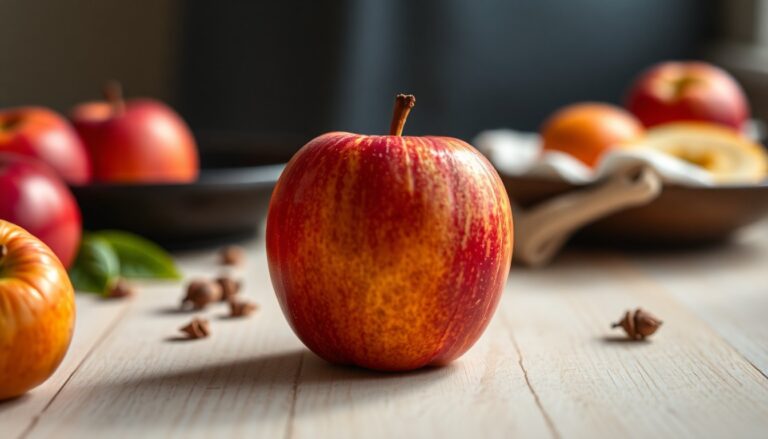
The apple is probably the most popular and widely eaten fruit in the world, and for good reason. Crisp, juicy and easy to carry around, it comes in a huge range of varieties: Golden Delicious, Gala, Granny Smith, Pink Lady, Reinette, Fuji and Boskoop, to name a few. With just 51.3 kcal per 100 g, the apple fits perfectly into a balanced diet and a weight-loss plan. Rich in fibre, water and antioxidant compounds, it provides natural carbohydrates (around 11.9 g per 100 g) while staying low in fat. Its versatility in the kitchen, raw or cooked, and its year-round availability make it a great choice for young and old alike, whether you train hard or simply enjoy good food while keeping an eye on your figure.
Macronutrient breakdown
Nutrition table per 100 g
| Calories | 51 kcal |
| Kilojoules | 217 kJ |
| Protein | 0,3 g |
| Carbohydrate | 11,9 g |
| Fat | 0,3 g |
| Fibre | 2,4 g |
Micronutrients per 100 g
All measured nutrients, ranked by share of the daily reference intake.
- Selenium9,5 µg17 %
- Iodine9,56 µg6 %
- Potassium109 mg5 %
- Vitamin B60,05 mg4 %
- Copper0,03 mg3 %
- Vitamin C1,55 mg2 %
- Manganese0,03 mg1 %
- Vitamin B50,08 mg1 %
- Vitamin B9dietary folate equivalents7,4 µg
See the other 10 nutrients
- Phosphorus8,5 mg1 %
- Total omega-30,03 g1 %
- Vitamin B10,01 mg1 %
- Magnesium3,38 mg1 %
- Vitamin A4,01 µg1 %
- Iron0,07 mg0 %
- Vitamin B20,01 mg0 %
- Calcium2,99 mg0 %
- Vitamin B30,05 mg0 %
- Zinc0,03 mg0 %
Anses Ciqual 2025. Source: Anses, 2025, Ciqual food composition table
Tips
The apple is best enjoyed raw, with its skin carefully washed, because that is where much of the fibre and antioxidants are concentrated. A portion is one medium fruit (around 150 g), which makes a filling snack of about 75 kcal. You can eat it as it is, slice it into a yoghurt, grate it into a salad, or cook it as a compote, baked or pan-fried with a little cinnamon.
Varieties and seasonality: apples are mainly harvested in autumn, but because they store well, they are available all year round. Choose a tart Granny Smith for salads, a soft Golden Delicious for compotes, or a fragrant Reinette for tarts. Keep apples cool, in the vegetable drawer, away from other fruit, which they make ripen faster.
Nutrition facts and benefits: with 2.39 g of fibre per 100 g, including pectin, the apple helps you feel full and keeps your digestion regular. Its moderate glycaemic index and high water content make it a smart snack when you are watching your weight. It also provides vitamin C and polyphenols. For variety, pair it with other fresh fruit such as Asian pear or banana, and explore the whole fruit family to build colourful plates.
Tips for active people: an apple is an excellent snack before exercise, as its natural carbohydrates release energy gradually. After training, pair it with a source of protein (quark, nuts or protein powder) to support recovery. For tasty ideas, take a look at our protein snack recipes, perfect after a workout. Easy to slip into a gym bag, it hydrates and fills you up without weighing on your digestion.
Things to watch: the apple is a fruit moderate in calories, but apple juice, sweetened compotes and candied apples contain more sugar and lose some of the fibre. Go for the whole fruit. If you are keeping track of your overall calorie intake, you can check the food calorie table to adjust your portions. As part of a balanced diet, the apple remains one of the healthiest and most accessible fruits for everyday eating.
Apples and diabetes: with a glycaemic index of 36 in people with diabetes, it is one of the most suitable fruits. All the figures are in our apples and diabetes guide.