Group · Cereals
Oats
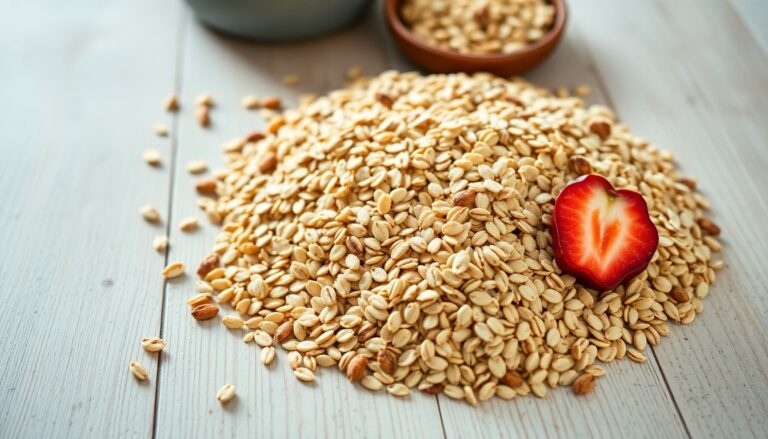
Oats are one of the most popular cereals among healthy breakfast fans and active people. You will find them in several forms: oat flakes (jumbo or small), instant oats, oat bran and oat flour. Versatile, they work just as well in creamy porridge as in homemade bars or baking. In terms of nutrition facts, oats stand out for their complex carbohydrates (55.7 g per 100 g), their fibre (10.6 g) and their good plant protein content (nearly 18.1 g). With around 378 calories per 100 g, they are a source of lasting energy that naturally fits into a balanced diet, whether you want to tone up or simply eat better.
Macronutrient breakdown
Nutrition table per 100 g
| Calories | 378 kcal |
| Kilojoules | 1590 kJ |
| Protein | 18,1 g |
| Carbohydrate | 55,7 g |
| Fat | 6,9 g |
| Fibre | 10,6 g |
Micronutrients per 100 g
All measured nutrients, ranked by share of the daily reference intake.
- Manganese4,92 mg246 %
- Phosphorus523 mg75 %
- Vitamin B10,76 mg69 %
- Copper0,63 mg63 %
- Magnesium177 mg47 %
- Zinc3,97 mg40 %
- Iron4,72 mg34 %
- Vitamin B51,35 mg23 %
- Vitamin B9dietary folate equivalents56 µg
See the other 9 nutrients
- Potassium429 mg21 %
- Omega-6 LA1,65 g17 %
- Selenium9 µg16 %
- Vitamin B20,14 mg10 %
- Vitamin E1,09 mg9 %
- Vitamin B60,12 mg9 %
- Calcium54 mg7 %
- Vitamin B30,96 mg6 %
- Omega-3 ALA0,07 g4 %
Anses Ciqual 2025. Source: Anses, 2025, Ciqual food composition table
Tips
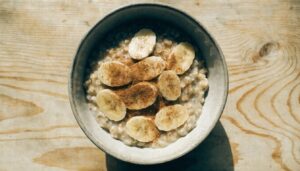
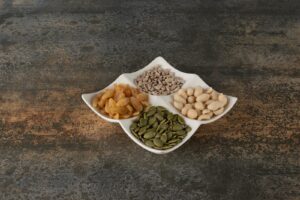
To get the full benefits of oats, stick to reasonable portions: 40 to 60 g of dry oats is enough for a filling breakfast. Make porridge with milk or a plant-based drink, and top it with fresh fruit, walnuts or a spoonful of honey. You can also go for overnight oats (oats soaked overnight in the fridge), handy for busy mornings.
How to eat oats There are plenty of ways to use them: porridge, homemade granola, muesli, pancakes, cookies, or even to thicken a soup. Oat flour can partly replace wheat flour in baking. To vary your sources of fibre within the cereal family, alternate with cooked oat bran or a wholegrain muesli.
Key nutrients: oats provide soluble fibre (including beta-glucan), complex carbohydrates with a moderate glycaemic index, plant protein, magnesium, phosphorus, iron and B vitamins. This profile makes them a cereal valued for fullness and steady energy throughout the morning.
- Storage: keep oats in an airtight container, away from light and moisture.
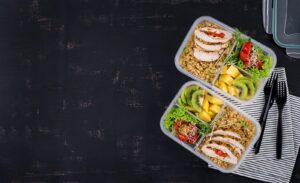
- Smart combinations: with protein (yoghurt, quark, whey) and healthy fats (nuts), you get a complete meal.
- Gentle cooking: slow cooking keeps the texture soft and limits nutrient losses.
For active people, oats are a great ally. Before exercise, their complex carbohydrates provide gradual energy: a bowl of porridge 1 to 2 hours before training is ideal. After your session, pair them with a source of protein for recovery, for example in a protein snack or a shake with added oats. You can also add oats to homemade bars for a practical snack, as mentioned in our advice on fitness nutrition.
Weight control: although oats are nourishing, their calorie density is significant (378 kcal/100 g). Watch your portions and limit sweet extras (syrups, chocolate chips, very sugary shop-bought granola). Choose plain oats over flavoured instant versions. In the right amounts, oats fit perfectly into a weight-loss plan and a lasting rebalancing of your diet.
If you have diabetes: 30 to 40 g of oats at breakfast, with no added sugar. Glycaemic index and beta-glucans are covered in our oats and diabetes guide.