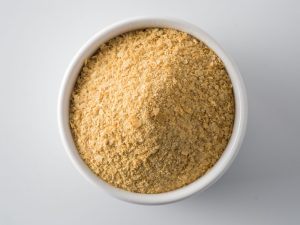
Milk thistle: liver benefits, side effects and who should avoid it
The short answer
Milk thistle (Silybum marianum) is a plant whose fruits (seeds) contain silymarin, a mix of flavonolignans studied for decades for the liver. The European Medicines Agency (EMA) recognises it as a traditional herbal medicine to relieve digestive complaints (fullness, indigestion) and to support liver function, once a doctor has ruled out serious disease. In trials, results for liver disease are uncertain: a small drop in liver enzymes in fatty liver, with no proof that it changes the course of the disease. It is generally well tolerated, but not recommended in pregnancy, breastfeeding, under 18 or if you are allergic to the daisy family.
This article is for information and does not replace medical advice. Abnormal liver tests should be discussed with a doctor.
What is milk thistle?
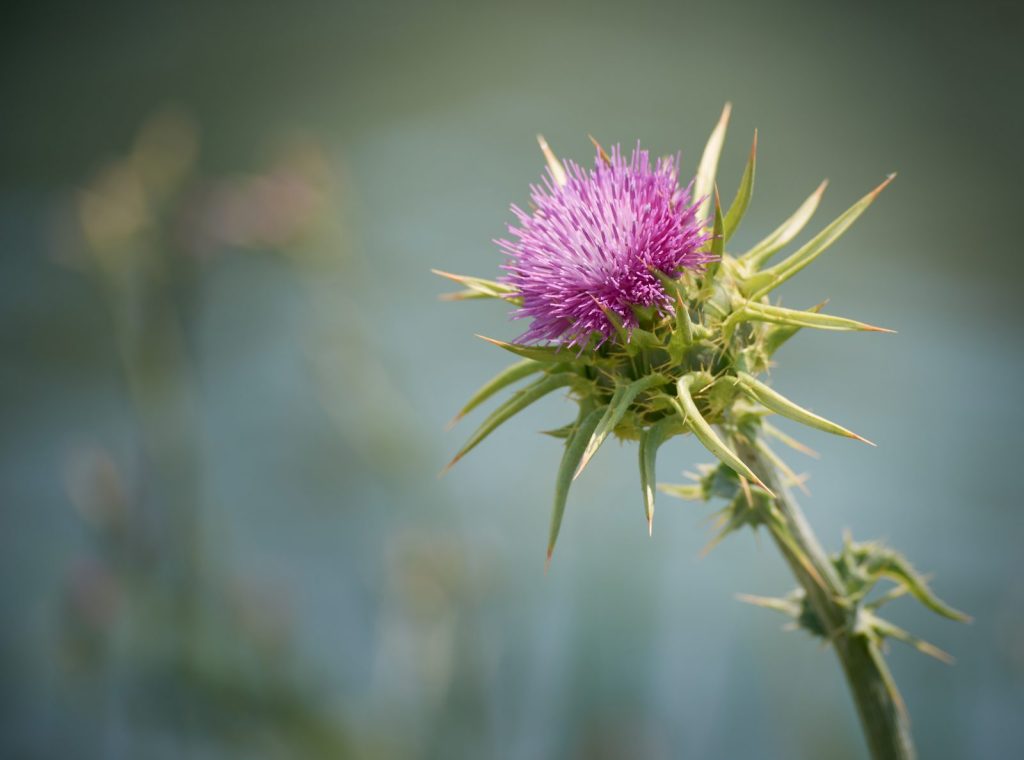
Milk thistle is a tall Mediterranean thistle with white-veined leaves. Its fruits, usually called seeds, are rich in silymarin, a group of compounds that includes silybin, the most studied. Silymarin dissolves poorly in water, which is why milk thistle tea provides little of it and why supplements use standardised extracts, standardised to a set silymarin content.
What the European monograph says (EMA)
The EMA’s Committee on Herbal Medicinal Products (HMPC) published a monograph on milk thistle fruit in 2018. It is the official European reference for herbal medicines made from the plant.
| Point | What the EMA says |
|---|---|
| Status | Traditional use: based on long-standing use, not on clinical trials judged sufficient |
| Indication | Relief of digestive disorders, fullness and indigestion, and support of liver function, after serious conditions have been ruled out by a doctor |
| Tea | 3 to 5 g of fruit in 100 ml of boiling water, 2 to 3 times a day, before meals |
| Powdered fruit | 300 to 600 mg per dose, 2 to 3 times a day, up to 1,800 mg a day |
| Dry extracts | Doses specific to each extract (for example 70 mg three times a day for a methanol extract, up to 478 mg a day for an acetone extract) |
| Duration | See a doctor if symptoms last more than 2 weeks |
| Contraindication | Allergy to the plant or to the Asteraceae (daisy) family: artichoke, chamomile, ragweed |
| Warnings | Not recommended under 18; see a doctor immediately if jaundice or a change in urine or stool colour appears |
| Pregnancy and breastfeeding | Not recommended, for lack of data |
| Interactions | None reported |
| Side effects | Mild digestive symptoms (dry mouth, nausea, upset stomach, diarrhoea), headache, allergic reactions; frequency unknown |
Traditional use status means Europe considers the use plausible and safe under these conditions, not that trials have proven it works.
Milk thistle for the liver: what studies show
Fatty liver: a small drop in enzymes, weak evidence
The latest Cochrane review (Wang et al., 2025) pooled 17 randomised trials with 2,069 adults with metabolic fatty liver disease (MASLD). Compared with placebo or no treatment, silymarin alone may lower ALT (a liver enzyme) by about 7 U/L on average (6 trials, 409 people). But the authors rate the evidence as very low certainty: small trials, risk of bias, inconsistent results. No trial measured death rates or quality of life. Their conclusion: benefits and harms remain unclear.
Hepatitis and alcohol-related liver disease
An older Cochrane review (Rambaldi et al., 2007: 18 trials, 1,088 patients) found no significant effect on mortality, complications or liver tissue in alcohol-related liver disease or hepatitis B or C. A well-run US trial (Fried et al., JAMA, 2012) gave high doses of silymarin (420 or 700 mg three times a day for 24 weeks) to 154 people with hepatitis C: no better than placebo on liver enzymes, virus levels or quality of life.
Bottom line: milk thistle does not treat hepatitis, cirrhosis or alcohol-related liver disease. If your tests are abnormal, the cause is what needs treating: our guide on how to lower GGT explains what actually works (alcohol, weight, exercise).
Milk thistle and “detox”: what to know
“Detox” is a word often attached to milk thistle, and it is worth clarifying. Your liver clears unwanted substances all the time; it does not need a “cleanse”. No study shows that a plant removes measurable toxins in a healthy person. What Europe recognises for milk thistle is more modest and more concrete: traditional use for digestive comfort and support of liver function.
The best support for your liver is your lifestyle: less alcohol, fewer excess sugars and calories, more movement. We cover this food by food in foods for liver health and detox myths. From the same plant family, artichoke is also traditionally linked to digestion.
Milk thistle side effects and who should avoid it
Milk thistle is well tolerated in studies. In the 2007 Cochrane review it did not increase side effects compared with placebo, and in the JAMA trial, even at high doses, its side-effect profile matched placebo. Possible effects, according to the EMA:
- mild digestive symptoms: dry mouth, nausea, stomach irritation, diarrhoea;
- headache;
- allergic reactions (rash, itching, hives, rarely asthma or a severe reaction), especially in people allergic to the daisy family.
Avoid it, or check with a doctor, if you:
- are pregnant or breastfeeding (not recommended for lack of data);
- are under 18;
- are allergic to artichoke, chamomile, arnica or ragweed;
- have a known liver disease: a supplement does not replace follow-up, and jaundice or dark urine means seeing a doctor straight away;
- take long-term medication, including cancer treatment, immunosuppressants, blood thinners or diabetes drugs: the EMA reports no interactions, but ask your doctor or pharmacist to be safe. You may have seen a “milk thistle cancer warning” online: there is no evidence it causes cancer, but anyone being treated for cancer should clear any supplement with their oncologist.
How to take milk thistle
- Milk thistle tea: 3 to 5 g of crushed fruit in 100 ml of boiling water, 2 to 3 times a day, before meals (EMA dose). Gentle, but low in silymarin.
- Extract capsules: the dose depends on the extract and its standardisation; follow the label. For reference, the JAMA trial used up to 700 mg of silymarin three times a day, with no more side effects than placebo.
- Timing: before meals, as the monograph states.
- Duration: if digestive symptoms last more than 2 weeks, see a doctor.
Nutrition•pro: milk thistle standardised to 75% silymarin
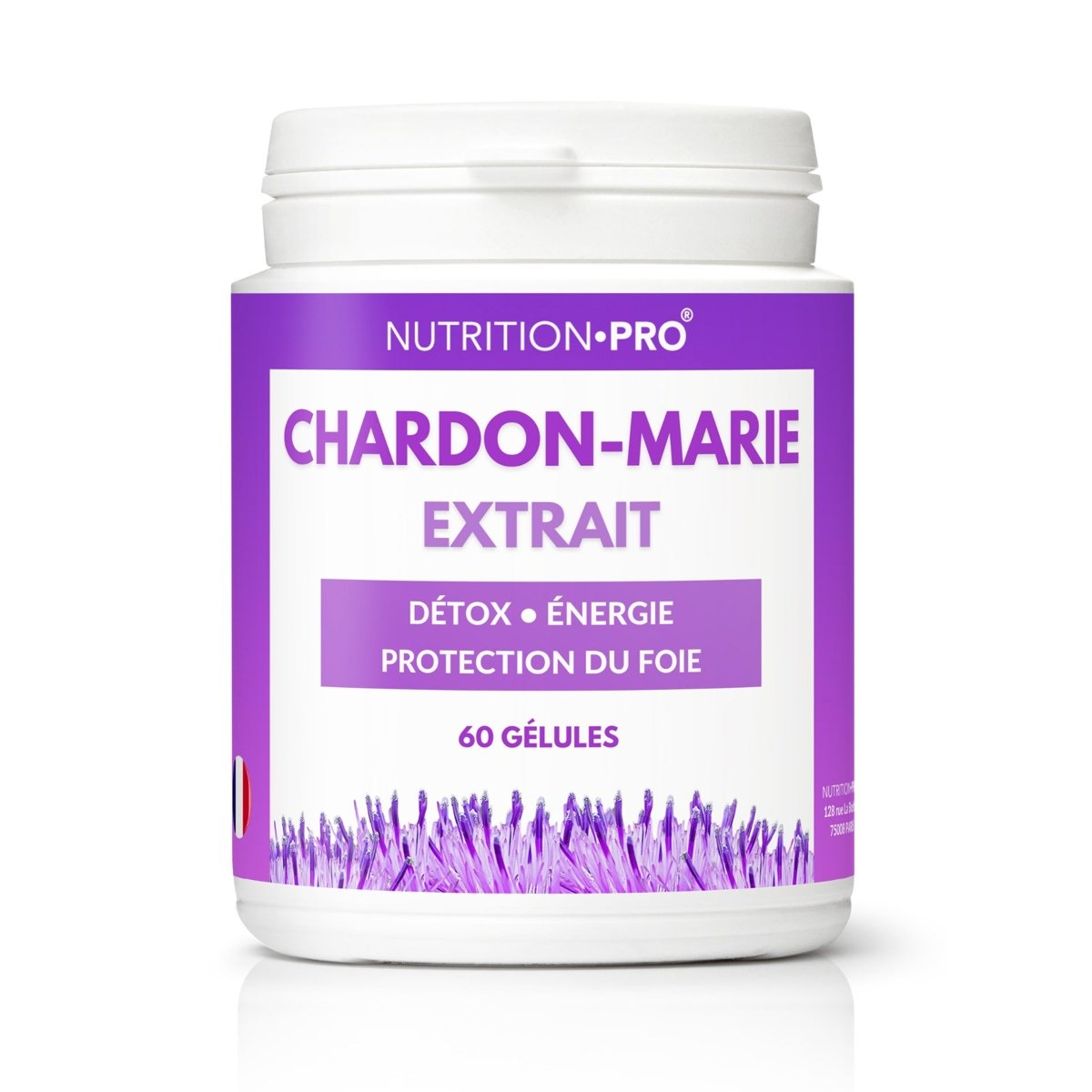
Nutrition•pro is a French brand based in Paris, which says it designs and makes its formulas in France. Its Milk Thistle stands out for a simple, clear formula:
- Silybum marianum fruit extract standardised to 75% silymarin, for consistent content from one capsule to the next;
- single ingredient: no blend with other herbs, which makes it easy to choose and track;
- 1 capsule a day = 300 mg of extract, providing 225 mg of silymarin;
- 60 capsules, 2 months of use;
- €29.99 per bottle (price checked on 22/11/2026), about €0.50 a day.
How does this dose compare? 300 mg of extract a day is in the same range as the dry extracts in the EMA monograph (from 200 mg a day for the ethanol extract to up to 478 mg a day for the acetone extract, for example), although this product’s extract is not one of those the EMA describes. It is much lower than in the JAMA hepatitis C trial (1,260 to 2,100 mg of silymarin a day, about 6 to 9 times more), which found no effect anyway. One capsule a day keeps it simple and affordable for digestive comfort.
The studies above used specific extracts and doses that are not necessarily those of this product, so their results do not automatically apply to it. The same precautions hold (pregnancy, breastfeeding, under 18, daisy-family allergy).
Promo code: SEOCONSULTINGSL for 10% off your order, €26.99 per bottle, about €0.45 a day (as of 22/11/2026).
See Nutrition•pro Milk Thistle →
Partner link: we earn a commission if you order through this link, at no extra cost to you.
Frequently asked questions
What is milk thistle good for?
Europe recognises traditional use to relieve digestive complaints (fullness, indigestion) and support liver function. In fatty liver, it may slightly lower liver enzymes, but the evidence is very weak.
What are the side effects of milk thistle?
Usually mild: digestive upset, headache, and allergic reactions in people sensitive to the daisy family. In trials, side effects were no more frequent than with placebo.
Is milk thistle good for your liver?
It is not toxic to the liver in studies, but it has not been shown to treat liver disease. Jaundice or a change in urine or stool colour means seeing a doctor straight away.
Who should not take milk thistle?
People allergic to the daisy family, pregnant or breastfeeding women and under-18s. Ask for advice if you have liver disease or take long-term medication.
When is the best time to take milk thistle?
Before meals, according to the European monograph.
Sources
- EMA, Committee on Herbal Medicinal Products. European Union herbal monograph on Silybum marianum (L.) Gaertn., fructus. EMA/HMPC/294187/2013, 05/06/2018. ema.europa.eu
- Wang C. et al. Silymarin for adults with metabolic dysfunction-associated steatotic liver disease. Cochrane Database Syst Rev, 2025; 6: CD015524. PubMed 40552569
- Rambaldi A. et al. Milk thistle for alcoholic and/or hepatitis B or C virus liver diseases. Cochrane Database Syst Rev, 2007; (4): CD003620. PubMed 17943794
- Fried M.W. et al. Effect of silymarin (milk thistle) on liver disease in patients with chronic hepatitis C unsuccessfully treated with interferon therapy: a randomized controlled trial. JAMA, 2012; 308(3): 274-82. PubMed 22797645