Famille d'aliments · Fish
Les fish, oméga-3 et finesse.
Salmon, sardines, mackerel, cod, tuna… Fish is among the most valuable foods in a balanced diet: high-quality protein, omega-3, iodine, vitamin D, selenium. The PNNS recommends 2 portions of fish a week, one of them oily fish. Beyond the taste, it is a direct investment in your heart and brain health.
Foods in the group
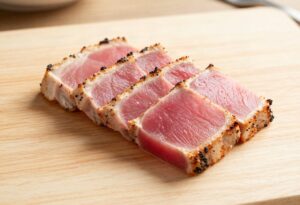
Albacore tuna
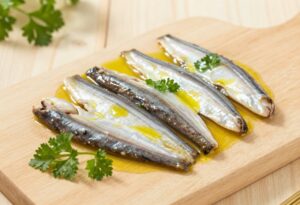
Anchovies
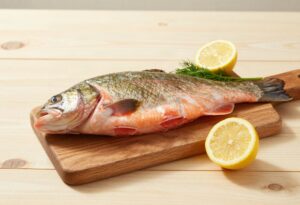
Arctic char

Atlantic bonito
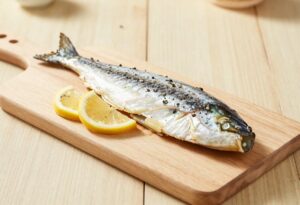
Blue ling
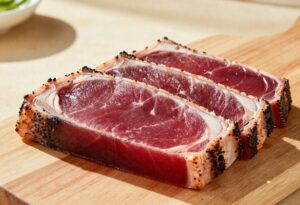
Bluefin tuna
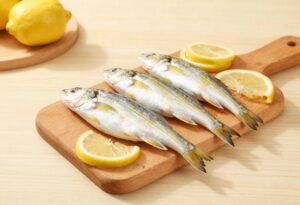
Bogue

Breaded fish fillet
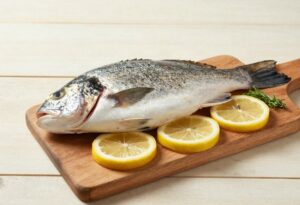
Bream
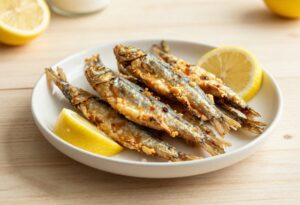
Capelin

Carp
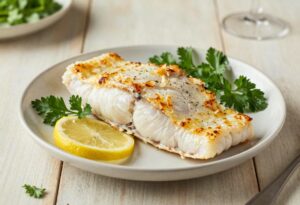
Cod
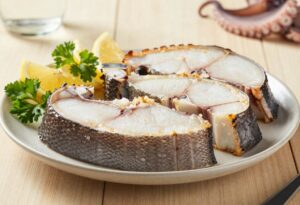
Conger eel
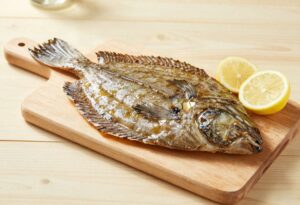
Dab
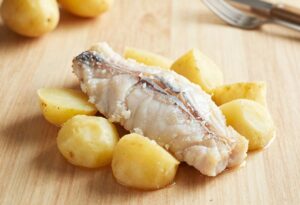
Desalted salt cod
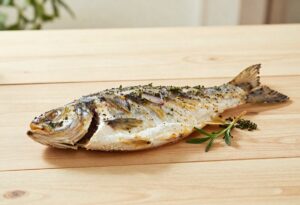
Dogfish (rock salmon)
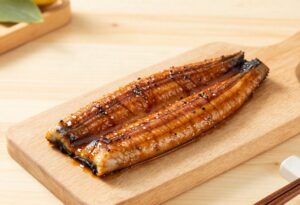
Eel

Fish fingers

Gilthead sea bream
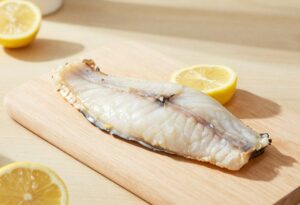
Greenland halibut

Grey mullet

Grilled herring

Grouper
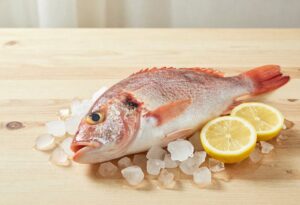
Gurnard
Why fish matters so much
Fish is one of the few foods that concentrates several nutrients that are hard to get elsewhere. Long-chain omega-3 (EPA and DHA), essential for the brain and cardiovascular system; iodine, crucial for the thyroid; vitamin D, which 80% of French people lack in winter; selenium, a major antioxidant. It is also a source of easily digested protein, ideal for older people and anyone on a diet.
The Cretan diet and the DASH diet, two of the most studied eating patterns for their health benefits, both put fish at the heart of their recommendations.
Oily fish, lean fish: the key difference
Oily fish
Salmon, sardines, mackerel, herring, tuna, anchovies, trout: rich in long-chain omega-3 (EPA and DHA). They are the only ones really worth eating for this, because plant-based omega-3 (ALA from flaxseed, for example) is poorly converted by our bodies. At least one portion a week is recommended for cardiovascular health.
Lean fish
Cod, hake, sole, dab, pollock, whiting: very little fat, plenty of protein, perfect for light meals or when cutting. Easy to digest, they suit the whole family.
How to choose and cook them well
Favour small fish and fish that is in season. Small fish (sardines, mackerel, anchovies) are less contaminated by heavy metals (mercury in particular) than large predators such as tuna or swordfish. They are also more sustainable and much cheaper.
As for cooking, opt for gentle methods:
- Steaming, en papillote, low-temperature oven: preserve the fragile omega-3
- Pan-frying over a moderate heat with a drizzle of olive oil
- Tartare or cold-marinated for ultimate freshness (keeping to the cold chain)
- Avoid deep-frying: it turns a healthy food into a bomb of bad fats
Tinned and frozen: smart options
Tinned sardines, mackerel or tuna in water are excellent nutritional options: they preserve the omega-3, are easy to store and are inexpensive. Always choose « in water » rather than in oil or sauce. Frozen fish (cod, hake, salmon) is also a good choice, often fresher than what is on the traditional counter.
Which ones to choose
- For omega-3: sardines, mackerel, herring, salmon (ideally wild), anchovies
- For light meals: cod, hake, sole, pollock, whiting
- For vitamin D: salmon, herring, sardines, tuna
- For iodine: all of them, but especially cod, herring and pollock
What about contaminants?
Mercury and pollutants mainly concern large predators at the top of the food chain: swordfish, shark, marlin, and tuna to a lesser extent. ANSES recommends limiting these fish to once a week, and avoiding them for pregnant women and young children. Small oily fish (sardines, mackerel, anchovies), on the other hand, are perfectly safe.
Going further
Fish fits perfectly into a complete plate, served with vegetables and a little wholegrain starchy food. It can also alternate with seafood, another good source of marine protein, or with white meat on the other days of the week.
Guides to read

Vitamin D: role, deficiency and supplements

Bone health: preventing osteoporosis through diet

Boosting your immunity through diet

DASH Diet: Lower Your Blood Pressure Through Food

Acid reflux and heartburn: what to eat
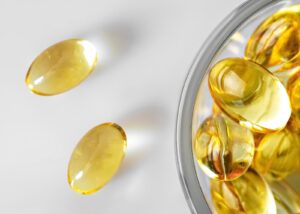
Omega-3: roles, sources and getting supplements right

Nutrition for older adults: needs and preventing undernutrition
