Famille d'aliments · Drinks
Les drinks, hydratation avant tout.
Water, tea, coffee, juice, fizzy drinks, milk, alcohol, herbal teas… Drinks account for up to 20% of daily calorie intake, often without us realising. Choosing what you drink well is one of the simplest and most effective levers for your health. Water remains the only essential drink, and everything else deserves a critical eye.
Foods in the group

Apple juice
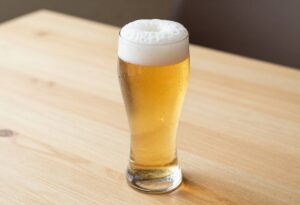
Beer

Cappuccino
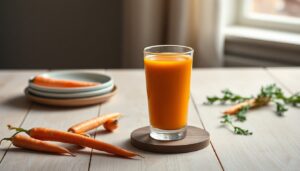
Carrot juice
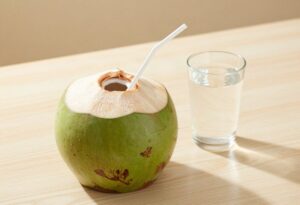
Coconut water

Coffee

Cognac

Cola

Decaffeinated coffee
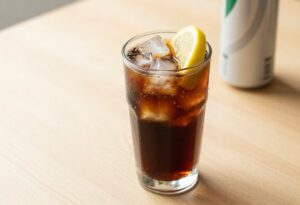
Diet cola

Eggnog (non-alcoholic)

Espresso

Gin
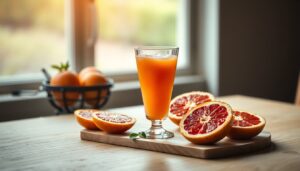
Grapefruit juice

Herbal tea

Homemade hot chocolate

Hot chocolate powder
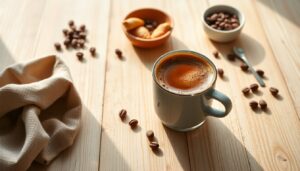
Instant coffee

Kombucha
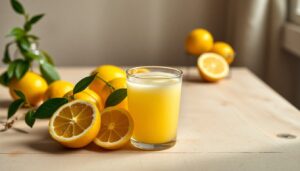
Lemon juice

Lemonade

Mandarin juice

Mint liqueur
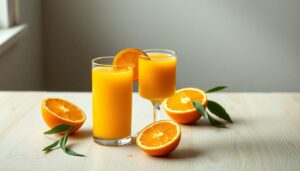
Orange juice
Water: THE essential drink
The human body is 60% water. Good hydration is crucial for the body to work properly: transporting nutrients, eliminating waste, regulating temperature and lubricating joints.
Recommendations put needs at 1.5 to 2 litres a day at a minimum, to be adjusted for physical activity, heat and age. Tap water is perfectly safe in France and far cheaper than bottled water. If you dislike the taste, a filter jug or a slice of lemon is enough.
Coffee and tea: underrated allies
Long demonised, coffee and tea are now recognised for their beneficial effects on health, provided they are drunk without added sugar.
Coffee
Rich in antioxidants (it is in fact the leading source of antioxidants in the average French diet), it is associated with a lower risk of type 2 diabetes, Parkinson’s disease and liver disease. Caffeine improves concentration and physical performance. A reasonable limit is 3 to 4 cups a day for most adults, avoiding it in the hours before bed so as not to disrupt your sleep-friendly foods.
Tea
Green tea, black tea, white tea: all contain powerful polyphenols (catechins, theaflavins) that benefit cardiovascular and cellular health. Tea provides less caffeine than coffee, plus theanine, which modulates its effects, hence the « calm energy » that is typical of tea.
Sugary drinks: limit them strictly
Fizzy drinks, shop-bought fruit juices, energy drinks, iced teas, squashes and syrups, « diet » fizzy drinks: sugary drinks are among the worst items in the modern diet. Being liquid, they are absorbed very quickly, causing blood sugar spikes, and they provide no feeling of fullness. One can of fizzy drink contains 30 to 40 g of sugar, which is your maximum recommended daily amount according to the WHO.
To understand what is at stake, read our article on empty calories: sugary drinks are the most emblematic example.
Fruit juices: not so innocent
Even 100% pure fruit juice is essentially liquid sugar. Always prefer the whole fruit to the matching juice. If you like juice, limit yourself to an occasional small glass, ideally freshly made at home.
« Diet » drinks: not the answer
Artificial sweeteners contain no calories, but studies raise questions about their long-term effects on the gut microbiome and metabolism. They also keep you hooked on a sweet taste. Water remains the best answer.
Alcohol: moderation is the rule
Alcohol is classified as a proven carcinogen by the IARC, and according to the latest recommendations from Santé publique France there is no « risk-free dose » of alcohol. The previous rule of « 2 drinks a day for men, 1 for women » has been replaced by « no more than 2 drinks a day, not every day, and no more than 10 drinks a week ».
The myth of the « glass of red wine that is good for the heart » is dead: the supposed benefits (polyphenols) are largely outweighed by the harm done by ethanol. If you drink, do it for pleasure and sociability, not for your health. And always in moderate amounts.
What to choose day to day
- Still or sparkling water, all day long (1.5 to 2 L)
- Green tea, black tea, herbal teas, plain
- Black coffee, in moderation, ideally before 4 pm
- Homemade infused water (lemon, cucumber, mint) to vary the pleasure
- Clear broths and homemade soups, which count towards hydration: see our benefits of bone broth
Limit or keep for occasions
- Fruit juices, even « 100% pure »
- Sweetened plant-based drinks (sweetened almond milk, flavoured coconut milk)
- Large quantities of whole milk (choose semi-skimmed)
- Very sweet hot drinks (hot chocolate, milky coffee with syrup)
Avoid
- Fizzy drinks and diet fizzy drinks
- Energy drinks
- Shop-bought cocktails and sweet alcoholic drinks
- Shop-bought iced teas (often as much sugar as a fizzy drink)
Going further
Improving what you drink is one of the most worthwhile things you can do for your health. Replacing fizzy drinks and juices with water, tea or black coffee often saves 100 to 300 empty calories a day, with no feeling of deprivation, and it is one of the key principles of a balanced diet.
To choose between two bottles, our ranking of magnesium-rich waters compares fifteen mineral waters on their Ciqual magnesium, calcium and sodium content.