Famille d'aliments · Pulses
Les pulses, la source végétale n°1 de protéines.
Lentils, chickpeas, beans, broad beans, soya… Pulses are among the most complete foods there are. The number one plant source of protein, rich in fibre and iron and with a low glycaemic index, they tick almost every box of a healthy, balanced diet. And yet they remain widely under-eaten in France. The PNNS recommends at least 2 portions a week. Affordable, sustainable and easy to cook once you get into the habit: it would be a shame to go without them.
Foods in the group

Black beans
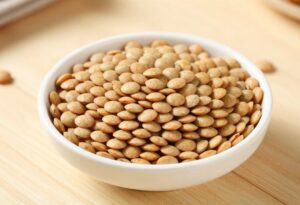
Blond lentils
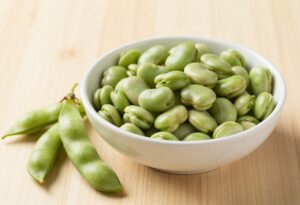
Broad beans (cooked)

Chickpea flour

Chickpeas
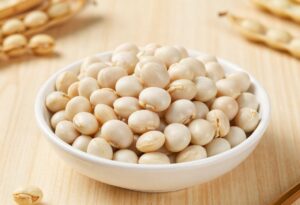
Coco beans
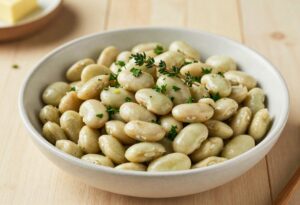
Cooked flageolet beans

Edamame (soya beans)

Falafel

Fresh garden peas

Garden peas
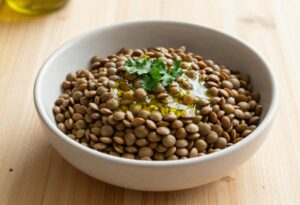
Green lentils

Hummus
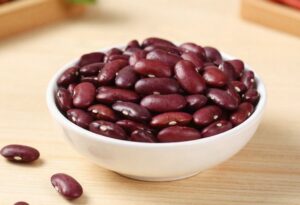
Kidney beans
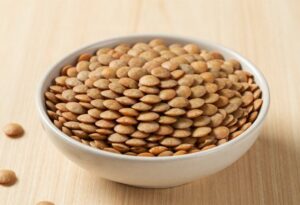
Lentils
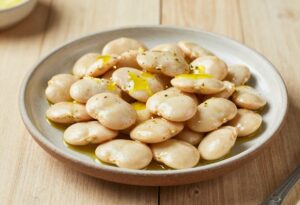
Lima beans
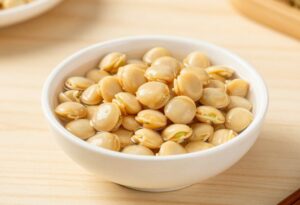
Lupin beans
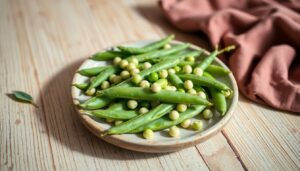
Mangetout peas
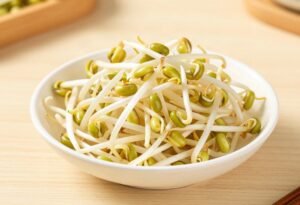
Mung bean sprouts

Peas and carrots
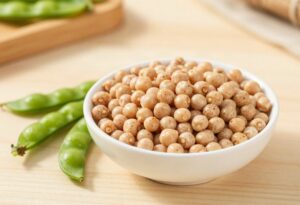
Pigeon peas
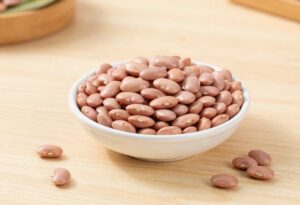
Pink beans
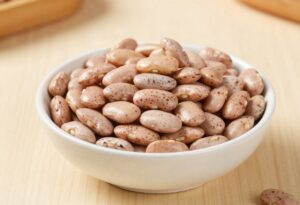
Pinto beans

Red lentils
Why put pulses (back) on the menu
For centuries, pulses were a pillar of French and Mediterranean eating. They still are in the Cretan diet, one of the most studied eating patterns for its health benefits. With industrialisation and the arrival of meat in large quantities on the table, they were relegated to the status of « rustic » food. It is a mistake that science and nutritionists are now correcting, putting these seeds back at the heart of a modern, balanced diet.
Per 100 g cooked (roughly a decent portion), pulses provide on average:
- 7 to 10 g of plant protein
- 6 to 8 g of fibre, already 25% of daily needs
- Low glycaemic index carbohydrate that releases energy over several hours
- Iron, magnesium, potassium and folate
- Very little fat (except soya, which is richer in good-quality fat)
The health benefits
An excellent source of plant protein
This is the number one argument. For anyone who wants to cut down on meat without running short of protein, pulses are the obvious answer. Combined with cereals (rice + lentils, semolina + chickpeas, bread + beans), they provide a complete amino acid profile, equivalent to that of meat.
A protective effect on metabolic health
Studies show that regular consumption of pulses is associated with better blood sugar regulation, lower LDL cholesterol and a lower risk of cardiovascular disease. Their low glycaemic index avoids insulin spikes, which makes them valuable allies for people with diabetes or for prevention.
An asset for fullness and weight control
Rich in fibre and protein, they keep you going. A dish of lentils keeps you full for hours, whereas a plate of white pasta leaves you hungry again quickly. For anyone trying to lose weight without frustration, it is a powerful lever, and it is one of the key principles for eating a balanced diet without going without.
Naturally gluten-free
All pulses are naturally gluten-free, which makes them an excellent alternative for people who are gluten intolerant or cutting back. They can replace some of the gluten-containing cereals in your diet.
How to cook them well
Dried or tinned?
Both are fine. Dried pulses are cheaper and give you better control over seasoning, but they take time to cook. Tinned versions, already cooked, are perfect for a quick meal: choose them with no added salt, or rinse them before use to avoid excess sodium.
Soaking: essential or not?
For dried pulses (beans, chickpeas, broad beans), soaking for 8 to 12 hours in cold water shortens the cooking time, improves digestibility and reduces the compounds responsible for digestive discomfort. Lentils are the exception: no soaking needed, just cook them straight away.
The batch cooking ally
Pulses are perfect for batch cooking: cook a large quantity on Sunday, keep them in the fridge and use them all week in salads, soups, curries or hummus. A valuable time-saver for eating healthily day to day.
Digestion tips
Many people avoid pulses because of digestive discomfort (bloating). A few simple rules often solve the problem:
- Throw away the soaking water and rinse before cooking
- Add bay leaf, cumin or fennel seeds to the pan
- Start with small portions and increase gradually to get your microbiome used to them
- Vary the types: red lentils are among the easiest to digest
Which ones to choose
Each pulse has its own appeal and preferred use. Here are the essentials:
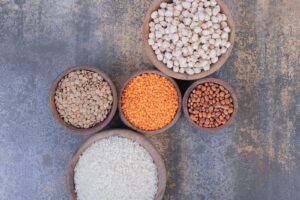
- Lentils: green, blond, red, beluga: versatile, quick to cook, perfect for salads, soups and stews
- Chickpeas: the star of hummus, curries and falafel
- Red kidney beans, white beans, black beans: ideal for chilli, stews and hearty salads
- Broad beans and flageolets: excellent as a side for meat or as a purée
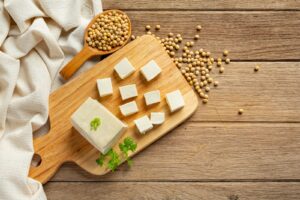
- Soya (tofu), tempeh, edamame: even higher in protein, a base of Asian cooking
- Split peas: perfect for smooth, nourishing soups
The goal: include at least 2 portions a week and keep things varied. A dish at lunch, a soup in the evening, some hummus with drinks… they fit in everywhere with no effort.
Going further
Pulses are not the only source of plant protein. You will also find complete proteins in some nuts and seeds (chia, hemp and pumpkin seeds). Combining these different sources over the week guarantees a complete and varied amino acid profile.
Guides to read

Superfoods: the marketing term and its key foods
Gluten-free eating: a guide to flours and alternatives

Low FODMAP Diet: Easing Irritable Bowel Syndrome

DASH Diet: Lower Your Blood Pressure Through Food

The Cretan Diet: Good for Your Heart

The food pyramid: a tool for a balanced diet
Plant protein: sources, benefits and good food combinations