Famille d'aliments · Fruit
Les fruit, gourmands et essentiels.
Fruit is the winning combination of pleasure and health: naturally sweet and packed with vitamins, fibre and antioxidants, it fits into any part of the day: at breakfast, as a snack, for dessert. The PNNS (the French national nutrition and health programme) recommends 5 portions of fruit and vegetables a day, including at least 2 to 3 fresh fruits. Season, colour, how you eat it: here is how to get the best from fruit without falling into some little-known traps.
Foods in the group

Apple

Apricot

Asian pear

Banana

Black grapes

Blackberry

Blackcurrants

Blueberries

Candied pineapple

Canned apricots

Chantecler apple

Chasselas grapes

Cherries

Clementine

Coconut

Conference pear
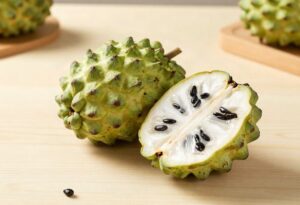
Custard apple (cherimoya)

Dates (dried)

Dried apricots

Dried dates
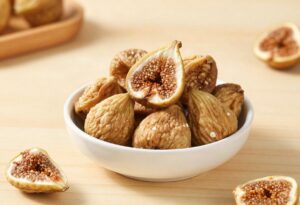
Dried figs

Dried lychee

Elderberries

Feijoa
Why fruit is your best ally
Beyond the pleasure, fruit stacks up the nutritional advantages. Vitamins (C, A, B9, K), minerals (potassium, magnesium), fibre, antioxidants and water: it is an ideal cocktail for supporting immunity, slowing cellular ageing and keeping digestion regular. Its natural sugar, fructose, has nothing to do with the added sugars in processed products: it always comes with fibre and micronutrients that regulate how it is absorbed.
The health benefits
Recognised cardiovascular protection
Studies agree: regularly eating fruit is associated with a lower risk of cardiovascular disease, stroke and type 2 diabetes. Potassium helps regulate blood pressure (a key principle of the DASH diet), and fibre helps keep cholesterol in check.
An asset for digestion and fullness
Soluble fibre (pectin in apples) and insoluble fibre (fruit skin) ease digestion and feed the gut microbiome. Biting into an apple as a snack means avoiding the 4 pm slump and the craving that follows.
An antioxidant powerhouse
Vitamin C, polyphenols, carotenoids: fruit is among the best sources of natural antioxidants. Red fruits (strawberries, raspberries, blueberries) are particularly rich, as we explain in our article on antioxidant foods.
How to eat it well
Fresh and whole is the ideal form. You get all the fibre, and the feeling of fullness is at its greatest. Avoid turning everything into juice: a glass of orange juice contains the sugar of 3 to 4 oranges without the fibre, which is almost like drinking a fizzy drink in terms of its effect on blood sugar.
A few practical recommendations:
- Favour seasonal and local fruit: fruit picked ripe tastes better and is richer in vitamins
- Eat the skin when you can (washed, or organic): that is where the fibre and antioxidants are concentrated
- Frozen or tinned with no added sugar are excellent plan Bs out of season
- Go easy on dried fruit and nuts (raisins, dates, dried apricots): very dense in sugar, even if natural
Should you limit fruit?
Some voices demonise fruit because of fructose. That is a mistake. The fructose in whole fruit is no problem as part of a normal diet. Be wary of extreme marketing claims, in either direction. 2 to 3 fruits a day is a range recommended by most nutritionists; beyond that, simply adjust according to your energy needs.
What to choose
- For vitamin C: kiwi, citrus fruit, strawberries, papaya, guava
- For antioxidants: blueberries, blackberries, raspberries, pomegranate
- For fibre: apple, pear, banana, raspberries
- For potassium: banana, apricot, melon, kiwi (see our full analysis of the banana)
- For pre-workout: banana, dates (fast sugars that are well tolerated)
Going further
To reach the 5 portions a day recommended by the PNNS, combine fruit with vegetables: they complement each other perfectly and together provide the variety of micronutrients your body needs. An apple in the morning, a salad at lunch, a piece of fruit in the afternoon, a portion of vegetables at dinner: the target is reached without effort.
Guides to read

Superfoods: the marketing term and its key foods

The Benefits of Spirulina: Its Antioxidant and Energising Properties

Liver Health: Friendly Foods and the Truth About Detox

Boosting your immunity through diet

Low FODMAP Diet: Easing Irritable Bowel Syndrome

DASH Diet: Lower Your Blood Pressure Through Food

The Cretan Diet: Good for Your Heart