Famille d'aliments · Fats & oils
Les fats & oils, bien les choisir change tout.
Oils, butter, margarine, cream, lard… Fats were demonised for a long time, but they are essential for the body to work properly: concentrated energy, cell structure, absorption of fat-soluble vitamins (A, D, E, K), hormonal balance. It all comes down to quality and moderation. Here is how to build an ideal « stock » for the kitchen and for your health.
Foods in the group
Almond oil
Argan oil
Avocado oil
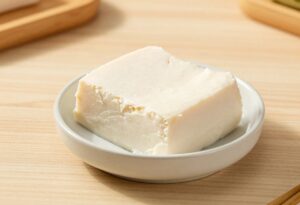
Beef fat

Butter

Coconut milk
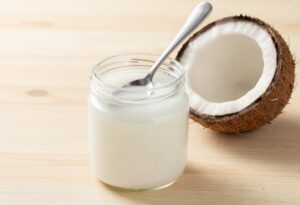
Coconut oil

Corn oil
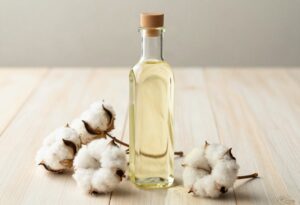
Cottonseed oil
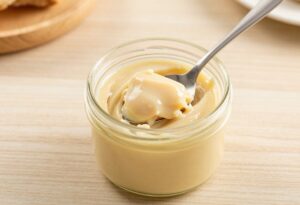
Duck fat
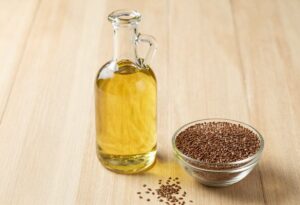
Flaxseed oil (linseed oil)

Grapeseed oil
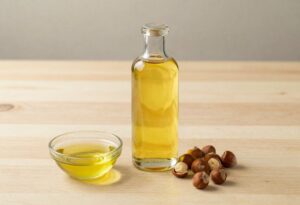
Hazelnut oil
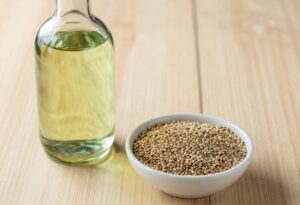
Hemp oil

High-oleic safflower oil
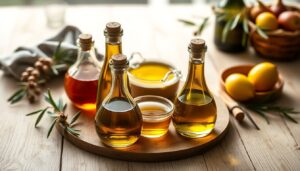
Olive oil
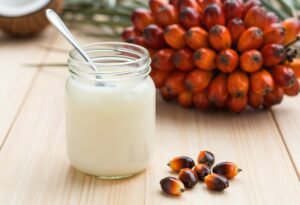
Palm kernel oil

Palm oil
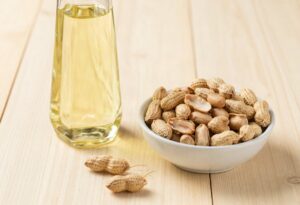
Peanut oil (groundnut oil)
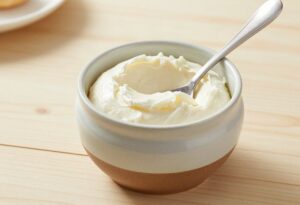
Pork fat (lard)

Rapeseed oil

Reduced-fat butter

Salmon oil

Salted butter
Why fats are essential
For decades, people believed fat had to be cut to the bare minimum. Science has since largely qualified that dogma. Good fats (unsaturated fatty acids, omega-3) are as essential as protein or carbohydrate. They contribute to cardiovascular, brain and hormonal health, and to the absorption of fat-soluble vitamins (A, D, E, K).
The problem is excess and an imbalance in the types we eat (too much industrial omega-6, not enough omega-3), which is the case in 90% of Western diets.
The different types of fat
Unsaturated fats (the « good » ones)
Monounsaturated and polyunsaturated fatty acids are the pillars of a healthy diet. They are found in olive oil, oily fish, avocado, and nuts and seeds. They are what makes the Cretan diet so valuable, one of the most protective for cardiovascular health.
Omega-3 fatty acids
A sub-type of polyunsaturated fatty acids that is woefully lacking in the modern diet. EPA and DHA (oily fish) are essential for the brain and heart; ALA (linseed oil, walnuts, rapeseed) is their plant precursor. Aim for at least 2 portions of oily fish a week and regularly use rapeseed or walnut oil as a dressing.
Saturated fats
Found in butter, cream, cheese, fatty meats and coconut oil. Not evil, but to be moderated. Current science no longer condemns saturated fats across the board as in the 1980s and 90s, but eating too much is still associated with higher LDL cholesterol.
Trans fatty acids
To be avoided at all costs. Produced artificially by hydrogenating vegetable oils to make them solid at room temperature. Very harmful to the cardiovascular system. They hide in processed biscuits, pastries, ready meals and cheap margarines.
How to use them well in the kitchen
Not all oils are equal depending on the use:
- Raw (dressings): extra virgin olive oil, rapeseed oil, walnut oil, linseed oil: the richest in omega-3 and antioxidants, but sensitive to heat
- For gentle cooking (up to 180°): virgin olive oil, high-oleic sunflower oil
- For high-heat cooking: refined olive oil, avocado oil, ghee (clarified butter)
- For baking: butter, coconut oil (in moderation), almond butter
Practical tip: keep 2 to 3 different oils in your kitchen, never just one. And favour gentle cooking methods, which preserve the quality of the fats.
Which ones to choose
- Extra virgin olive oil: the foundation of a healthy diet, to use every day
- Rapeseed oil: an excellent omega-3/omega-6 ratio, perfect as a dressing
- Walnut oil: omega-3 and a distinctive flavour, for salads
- Good-quality raw butter: in moderation, better than industrial margarines
- Avocado, nuts, oily fish: complementary natural sources
Which ones to avoid or limit
- Standard sunflower oil, corn oil, soya oil: too rich in omega-6, they throw the ratio off balance
- Industrial margarines: apart from a few good-quality exceptions, they contain fats of little interest
- Palm oil: best avoided for both health and environmental reasons
- Ready meals and processed snacks: full of poor-quality fats, and the source of 80% of trans fats
How much per day?
Recommendations put fat intake at 30 to 40% of total energy intake. In practice, that corresponds to 3 to 4 tablespoons of oil a day, plus the hidden fats in other foods (cheese, meat, fish, nuts).
No need to weigh to the gram: a good olive oil on your salads, oily fish twice a week, a handful of nuts, butter from time to time, and you are on track.
Going further
Fats should be fitted sensibly into a well-balanced diet overall. Combined with vegetables, fish and nuts and seeds, they form the nutritional basis of the most protective diets in the world.
Guides to read

Liver Health: Friendly Foods and the Truth About Detox

Keto and low-carb diet: principles and foods

The Cretan Diet: Good for Your Heart
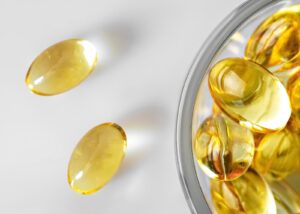
Omega-3: roles, sources and getting supplements right

Nutrition for muscle gain: the guide to building muscle

The Keys to a Balanced Diet for Good Health

Diet and the menopause: weight and bone health