Famille d'aliments · Starchy foods
Les starchy foods, énergie longue durée.
Pasta, rice, potatoes, semolina, polenta, wheat, cassava… Starchy foods are the main source of carbohydrate energy in our diet. The PNNS (the French national nutrition and health programme) recommends eating them at every meal, choosing wholegrain versions. As sources of complex carbohydrate, fibre and B vitamins, they are the base of a balanced plate, as long as you get the portions and the choices right.
Foods in the group

Arborio rice (risotto rice, cooked)
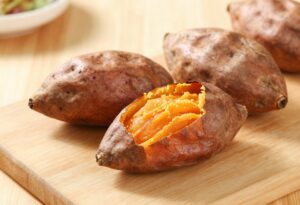
Baked sweet potato with skin
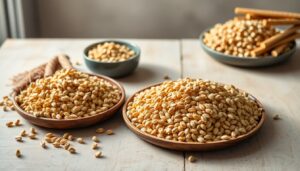
Barley

Basmati rice (cooked)

Beef ravioli

Boiled sweet potato
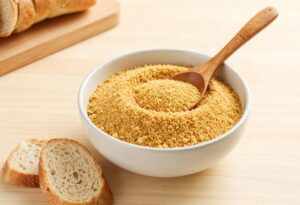
Breadcrumbs
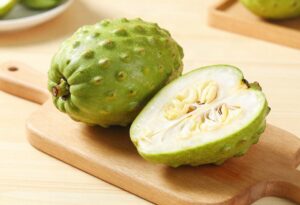
Breadfruit
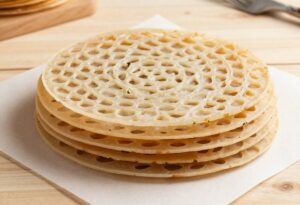
Brick pastry sheet (feuille de brick)

Brown rice

Buckwheat (buckwheat flour)

Bulgur wheat

Cassava
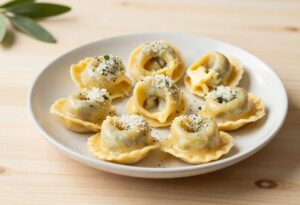
Cheese tortellini
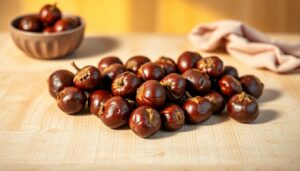
Chestnut
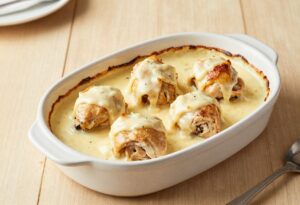
Chicken quenelle

Chinese noodles

Chips (French fries)
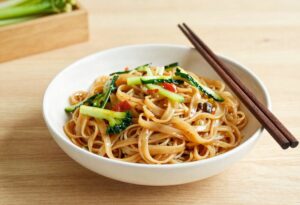
Cooked rice noodles
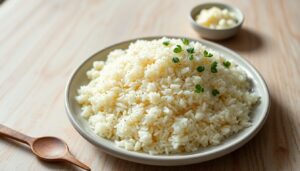
Cooked white rice
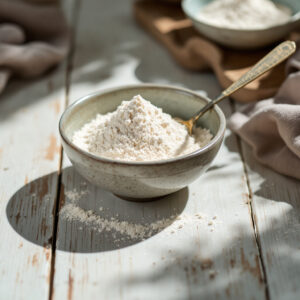
Cornflour (Maizena)

Cornmeal
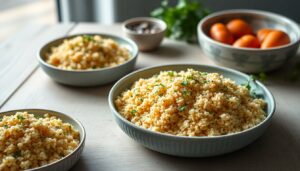
Couscous

Dauphine potatoes
Why starchy foods are essential
Starchy foods supply the carbohydrate energy the brain and muscles need. Contrary to popular belief, they are not what makes you put on weight: it is the quantity and the quality that make the difference. An athlete or an active person needs starchy foods at every meal. A sedentary person can eat less, but should never cut them out.
They provide complex carbohydrate (slowly digested), fibre (especially in wholegrain versions), B vitamins and minerals such as magnesium and selenium.
Wholegrain or refined?
Wholegrain versions almost always win. Refining removes the outer layer of the grain (the bran) and the germ, which hold the fibre, vitamins and minerals. The result is a less nutritious product with a higher glycaemic index that keeps you full for less time.
Let’s compare:
- White rice vs brown rice: 1 g of fibre vs 3 g per 100 g
- White pasta vs wholewheat pasta: glycaemic index 70 vs 50
- White bread vs wholemeal bread: 2 g of fibre vs 7 g per 100 g
The ideal is to switch gradually to wholegrain, mixing half and half at first if the taste seems too strong.
The health benefits of wholegrain starchy foods
Lasting energy
Their slow digestion releases energy over several hours, avoiding slumps and cravings. Ideal for concentration at work and for sporting performance.
Better fullness
Being rich in fibre, they keep you full for longer. A portion of wholewheat pasta lasts until the next meal; white pasta leaves you hungry 2 hours later.
A protective effect on metabolic health
Regularly eating wholegrain cereals is associated with a lower risk of type 2 diabetes, cardiovascular disease and certain cancers. It is one of the pillars of the Cretan diet and the DASH diet.
How to cook them well
A few simple principles:
- Cook pasta « al dente »: it keeps the glycaemic index lower than soft cooking
- Do not overcook potatoes: steaming or boiling preserves nutrients better than frying
- Cooling then reheating rice or potatoes turns them into « resistant starch », which is better for the gut microbiome
- Combine with vegetables and protein: the glycaemic index of the whole meal drops sharply
What to choose
- For variety: quinoa, bulgur wheat, buckwheat, millet, spelt: step outside the rice and pasta duo
- For sport: wholewheat pasta, rice, sweet potato (long-lasting energy)
- For weight loss: quinoa, buckwheat, sweet potato (low GI and filling)
- Gluten-free: rice, quinoa, buckwheat, millet, cassava, sweet potato (useful if you have a gluten intolerance)
How much per meal?
A standard adult portion is around 50 to 80 g of dry starchy food (weight before cooking), which is 150 to 250 g cooked. Adjust for your level of physical activity: an athlete can easily double these portions, while a sedentary person should stick to the lower end.
Going further
The batch cooking trick is perfect for starchy foods: prepare a large quantity of quinoa, rice or pasta on Sunday, and turn it into salads, bowls and gratins all week. Combined with pulses, they make a complete and economical protein duo.
Guides to read

Superfoods: the marketing term and its key foods

The Benefits of Spirulina: Its Antioxidant and Energising Properties
Gluten-free eating: a guide to flours and alternatives

Low FODMAP Diet: Easing Irritable Bowel Syndrome

DASH Diet: Lower Your Blood Pressure Through Food

Acid reflux and heartburn: what to eat

The food pyramid: a tool for a balanced diet