Famille d'aliments · Sweet foods
Les sweet foods, qualité plutôt que quantité.
Sweets, chocolate, biscuits, pastries, cakes… Sugary foods are one of the pleasures of the table, but also foods to eat in moderation. The WHO recommends limiting added sugars to less than 10% of total energy intake, roughly 50 g a day for an adult, and ideally less than 25 g. Understanding what you eat and how to treat yourself sensibly is the key to not depriving yourself while protecting your health.
Foods in the group

Apricot jam

Barley sugar

Caramel

Caramel flan (from a packet mix)

Caramel sundae

Caramel sweets

Chocolate bar
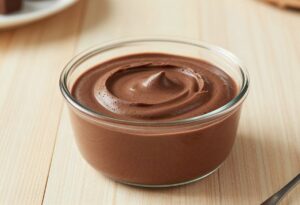
Chocolate dessert cream

Chocolate hazelnut spread

Chocolate ice cream

Chocolate mousse

Chocolate sundae

Chocolate-coated sweets

Coffee tiramisu

Crème brûlée

Crème caramel

Croissant

Crystallised ginger

Dark baking chocolate

Dark chocolate (70%)

Egg custard pots

Eggs in milk custard (œufs au lait)

Fig biscuit

Filled wafer biscuits
Understanding what a sugary food really is
The term « sugary foods » covers a very varied world. They are not all equal, either nutritionally or in terms of pleasure. It includes:
- « Pure » sugars such as white sugar, brown sugar, maple syrup or honey
- Confectionery: sweets, caramels, marshmallows, liquorice
- Chocolates, from intense dark chocolate to filled milk chocolate
- Biscuits and pastries, industrial or artisan
- Sweet dairy desserts: dessert creams, mousses, ice cream
- Sugary breakfast cereals and so-called « energy » bars
The main difference between these products? The amount of added sugar, but also the presence of other nutrients such as fibre, protein, good fats or… nothing at all.
Why moderate them
A regular excess of added sugars is associated with several well-documented health problems:
- Weight gain and an increased risk of obesity, especially around the abdomen
- Type 2 diabetes, through a gradual loss of insulin sensitivity
- Tooth decay, particularly with sticky sugars or sugary drinks
- Non-alcoholic fatty liver disease (hepatic steatosis), now rising sharply
- Chronic low-grade inflammation, implicated in many conditions
The trap is that added sugars are everywhere: in sauces, ready meals, flavoured yoghurts, sliced bread, even savoury foods. You can exceed the recommendations without eating a single sweet all day. To understand how these « empty » calories creep into your diet, read our complete analysis of empty calories.
How much sugar per day?
The official benchmarks are as follows:
- WHO (strong recommendation): less than 10% of total calorie intake from free sugars, about 50 g/day for an adult
- WHO (conditional recommendation): ideally less than 5%, about 25 g/day
- ANSES in France: a maximum of 100 g/day of all sugars combined (excluding lactose)
To give you a concrete idea: a can of fizzy drink already contains 30 to 40 g of sugar, so your daily allowance is exceeded in a single drink.
How to treat yourself without overdoing it
No food is off limits. Total deprivation is rarely sustainable and often counter-productive, as it ends in a massive binge. It is one of the most common dietary mistakes. Here are a few simple principles for fitting sweet things in sensibly.
Favour quality over quantity
A square of good-quality 70% dark chocolate will satisfy you more than half a bar of ultra-sweet industrial chocolate. Choose what you really like, savour it fully, and stop when you are satisfied.
Prefer homemade
A homemade cake or dessert lets you control the sugar yourself, and it generally contains fewer additives than industrial versions. Cutting the sugar by 20 to 30% in most recipes changes almost nothing about the taste. It is a key approach for a lasting balanced diet.
Choose the right moment
Eating sweet things at the end of a meal or with other foods (fibre, protein, fat) slows the absorption of sugar and avoids a blood sugar spike. By contrast, a fruit juice or fizzy drink on an empty stomach causes a spike followed by an energy crash.
Which ones to choose in this category
If you are looking to combine pleasure and health:
- Dark chocolate > 70%: low in sugar, rich in antioxidants and magnesium (but beware of the « superfood » marketing: it is still a sugary product to eat in moderation)
- Homemade baking with moderate sugar and good ingredients
- Dried fruit (in reasonable amounts): natural sugars accompanied by fibre and minerals
- Artisan honey, as a partial replacement for refined sugar
Conversely, keep for special occasions:
- Fizzy drinks and sugary drinks (the worst because they are liquid, and so absorbed very quickly)
- Industrial biscuits, shop-bought pastries and ultra-processed cakes
- Pure confectionery (sweets, caramels) that provide nothing but empty calories
The idea is not to cut everything out, but to keep sweet things for what they are: an occasional pleasure, not a daily habit.
A natural alternative to added sugar
To satisfy a sweet craving without adding to your intake of added sugars, think of fruit. Its natural sugar (fructose) always comes with fibre, vitamins and antioxidants, which makes it a far better choice than confectionery. An apple, a handful of strawberries or a few pieces of dried mango make a simple, satisfying dessert.
Guides to read

Acid reflux and heartburn: what to eat
Magnesium: benefits, signs of deficiency and foods high in magnesium

Which water is richest in magnesium? The full ranking (mg/L)

Thyme tea: dangers, contraindications and the right dose

Tiramisu in pregnancy: why to avoid it and how to adapt it

Agave syrup: healthier than sugar? The composition in numbers

Honey and diabetes: a sugar like any other, the figures