Famille d'aliments · Snacks & nibbles
Les snacks & nibbles, modération et bon choix.
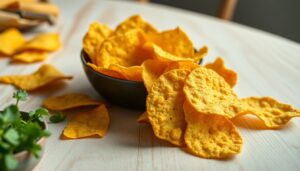
Crisps, pretzels, savoury biscuits, salted peanuts, crackers, tortilla chips… Nibbles and drinks are one of life’s social pleasures. But what they contain rarely lives up to how enjoyable they are: very high in calories, very salty and not very filling, they can quickly derail a balanced diet. Here is how to keep enjoying yourself, sensibly.

Why snacks and nibbles are a problem
Shop-bought nibbles combine several unhelpful characteristics:
- Very high calorie density: 500 to 550 kcal per 100 g, compared with 50 kcal per 100 g for vegetables
- Too much salt: easily 2 g of salt per 100 g, which adds up quickly when you graze
- Poor-quality fats: palm oil, refined frying oils, sometimes saturated fat
- Not very filling: you can eat a whole packet without noticing
- Often paired with alcohol, which is itself very high in calories
A typical round of drinks and nibbles can add up to 500 to 800 empty calories in an hour, with no nutritional benefit. It is one of the trickiest areas of a balanced diet and one of the sneakiest sources of empty calories.
Do you have to give them up completely?
No. Sociable moments matter, and cutting them out entirely is neither necessary nor sustainable. The key is the frequency, the quantity and the content of the spread.
An occasional get-together (once a week, one drink, a moderate portion of nibbles) fits perfectly well into a balanced diet. A daily session with 2 or 3 drinks and a bowl of crisps becomes a problem.
How to put together a good « healthy » spread
Tip number 1: replace or complement crisps with natural alternatives. You will be surprised by the result.
Good snacking ideas
- Crunchy raw vegetables: carrots, cucumber, radishes, cherry tomatoes, fennel, celery sticks. With a little salt or fleur de sel.
- Plain olives: low in calories, with good fatty acids. Choose natural versions over the flavoured industrial ones.
- A handful of plain nuts: almonds, walnuts, hazelnuts, pistachios in their shells.
- Homemade hummus with vegetable sticks
- Homemade guacamole with homemade tortillas or good bread
- Vegetable spreads: aubergine caviar, tapenade, beetroot and feta
- Hard-boiled or devilled eggs in small portions
- Good-quality cured meats in small amounts: Parma ham, dry-cured ham, thinly sliced
- Cheese in a small portion with fruit
Smart compromises
If you cannot do without the classics:
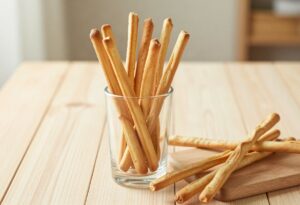
- Choose pretzels over crisps: lower in fat, with almost the same calories but without the frying oils
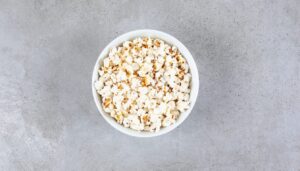
- Homemade popcorn with no butter or added sugar: low in calories
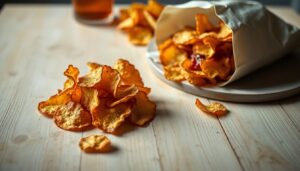
- Homemade oven-baked vegetable crisps (beetroot, parsnip, sweet potato)
- Wholegrain crackers or toasted bread with spreads rather than shop-bought savoury biscuits
What about drinks?
Alcohol-free drinks are finally gaining ground. There are plenty of options:
- Sparkling water with a slice of lemon or cucumber
- Homemade alcohol-free cocktails: virgin mojito, spicy tomato juice, iced infusions
- Kombucha as a fizzy, fermented alternative
- If you do drink alcohol, one glass is plenty, with a large glass of water between each
And always within the moderate limits recommended by health authorities.
The art of a sociable get-together without overdoing it
A few simple principles turn drinks and nibbles into a pleasure without the guilt:
- No daily sessions: keep them for weekends and special occasions
- Do not graze mindlessly: make it a relaxed moment
- Serve nibbles in small bowls rather than a big salad bowl, because the amount you can see influences the amount you eat
- Alternate with water throughout
- Do not skip the meal that follows on the grounds that « the nibbles were dinner »: it is the worst nutritional scenario
Going further
Drinks and nibbles are above all a time for sharing. What is on the table matters less than how often it happens and how much you eat. When it is occasional and part of an otherwise balanced diet, it has its place in a healthy life.