Group · Fish
Tub gurnard
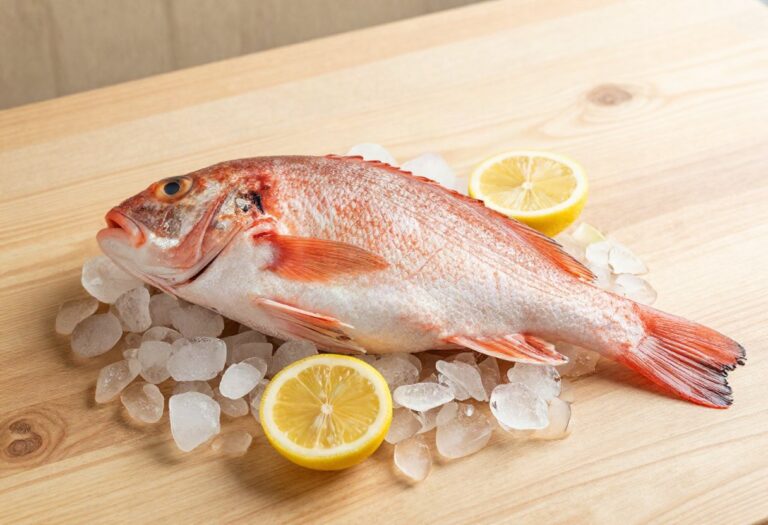
The tub gurnard is the largest species of gurnard, recognisable by the bright blue pectoral fins it spreads like wings. Its thick fillets make it the most useful of the gurnards in the kitchen.
In terms of nutrition facts, raw: 97.4 kcal per 100 g, with 20.3 g of protein and 1.79 g of fat. It provides 37.2 µg of selenium per 100 g, with 0.14 g of salt.
Macronutrient breakdown
Nutrition table per 100 g
| Calories | 97 kcal |
| Kilojoules | 412 kJ |
| Protein | 20,3 g |
| Fat | 1,8 g |
Micronutrients per 100 g
All measured nutrients, ranked by share of the daily reference intake.
- Selenium37,2 µg68 %
Anses Ciqual 2025. Source: Anses, 2025, Ciqual food composition table
Tips
20.3 g of protein for 97 kcal. An excellent ratio, better than that of generic gurnard, for a fish that stays very affordable.
37.2 µg of selenium: two thirds of the reference intake. Selenium contributes to antioxidant defence and thyroid function, and European soils are low in it.
Its fillets are thick enough to pan-fry. That sets it apart from the small red gurnards, which are kept for soup. Four minutes skin side down, one minute on the other side.
The head is still huge. Allow 400 g whole weight per person. Keep the head and bones for a fish stock: that is where most of the flavour is.
Its stocks are in good shape. Still a little-demanded species, it copes well with current fishing pressure. It is a good alternative to the most heavily fished species.