Group · Fats & oils
Almond oil
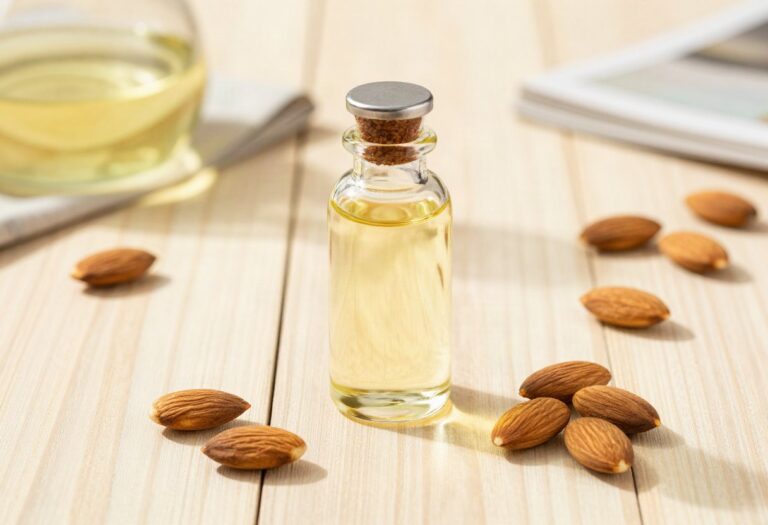
Edible sweet almond oil is pressed from shelled almonds. Better known in cosmetics, it is also a fine dressing oil with a pronounced dried-fruit flavour.
In terms of nutrition facts: 900 kcal per 100 g and 100 g of fat, including 69.9 g of monounsaturated, 17.4 g of polyunsaturated and only 8.2 g of saturated fat. It provides 39.2 mg of vitamin E per 100 g, the best score of the oils in this selection.
Macronutrient breakdown
Nutrition table per 100 g
| Calories | 900 kcal |
| Kilojoules | 3700 kJ |
| Fat | 100 g |
Micronutrients per 100 g
All measured nutrients, ranked by share of the daily reference intake.
- Vitamin E39,2 mg327 %
- Vitamin K17 µg9 %
Anses Ciqual 2025. Source: Anses, 2025, Ciqual food composition table
Tips
39.2 mg of vitamin E: one spoonful covers almost the requirement. A 14 g tablespoon provides 5.5 mg, or 46% of the reference intake. It is its clearest nutritional argument.
69.9 g of monounsaturated: the profile closest to olive. On this measure it is even higher than olive oil itself.
Do not heat it. Its smoke point is low and its almond aroma disappears when cooked. Use it to dress salads, steamed vegetables or desserts.
Major allergen. Tree nuts are among the fourteen allergens that must be declared, and reactions can be severe. Mention it when cooking for others.
Food or cosmetic: they are not the same. Almond oil sold at the chemist is not meant to be eaten. Look for the words “virgin” and “food grade”.