Group · Fish
Tilapia
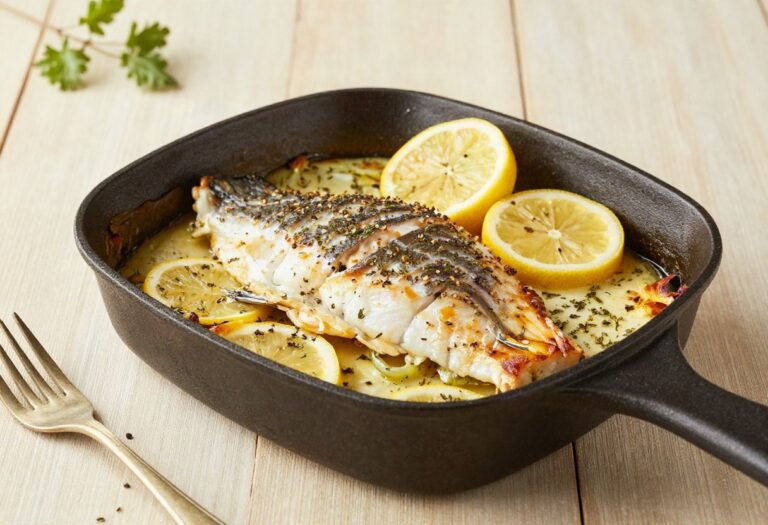
The tilapia is an African freshwater fish that has become one of the most farmed in the world, mainly in Asia and Latin America. Its fast growth and plant-based diet make it an inexpensive aquaculture species.
In terms of nutrition facts, raw: 91.6 kcal per 100 g, with 18.1 g of protein and 2.13 g of fat. It provides 19.6 µg of vitamin D (nearly four times the reference intake), 282 mg of potassium, 131 mg of phosphorus and 17.8 µg of selenium per 100 g.
Macronutrient breakdown
Nutrition table per 100 g
| Calories | 92 kcal |
| Kilojoules | 387 kJ |
| Protein | 18,1 g |
| Fat | 2,2 g |
Micronutrients per 100 g
All measured nutrients, ranked by share of the daily reference intake.
- Vitamin D19,6 µg392 %
- Vitamin B121,07 µg43 %
- Selenium17,8 µg32 %
- DHA0,07 g28 %
- Vitamin B33,28 mg21 %
- Phosphorus131 mg19 %
- Vitamin B60,23 mg16 %
- Potassium282 mg14 %
See the other 15 nutrients
- Vitamin B924 µg12 %
- Vitamin B50,68 mg11 %
- Vitamin E0,93 mg8 %
- Magnesium25,4 mg7 %
- EPA0,01 g4 %
- Total omega-30,11 g4 %
- Iodine6,38 µg4 %
- Vitamin B20,05 mg4 %
- Zinc0,32 mg3 %
- Omega-6 LA0,21 g2 %
- Iron0,27 mg2 %
- Vitamin K11,3 µg2 %
- Omega-3 ALA0,03 g1 %
- Calcium8,16 mg1 %
- Vitamin A1 µg0 %
Anses Ciqual 2025. Source: Anses, 2025, Ciqual food composition table
Tips
19.6 µg of vitamin D: the best score in this batch. A 150 g portion covers nearly six times the reference intake. It is a surprising figure for such a lean fish.
But almost no omega-3: 0.11 g per 100 g. Its plant-based diet on the farm explains this profile. Tilapia does not count towards the weekly portion of oily fish recommended by Anses (the French food safety agency).
Its flesh is neutral, almost tasteless. That is an advantage for children and for palates reluctant about fish, and an ideal base for a curry, a lemon marinade or a spicy parcel.
Quality depends entirely on the farm. Conditions vary enormously between countries and farms. A responsible aquaculture certification label is the only usable guide on the shelf.
18.1 g of protein for 92 kcal, at a low price. That is its main argument: a decent and very accessible protein intake, as long as you do not expect the benefits of an oily fish.