Group · Pulses
Kidney beans
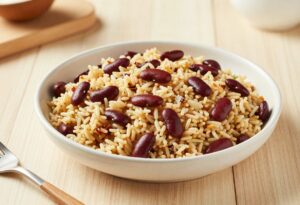
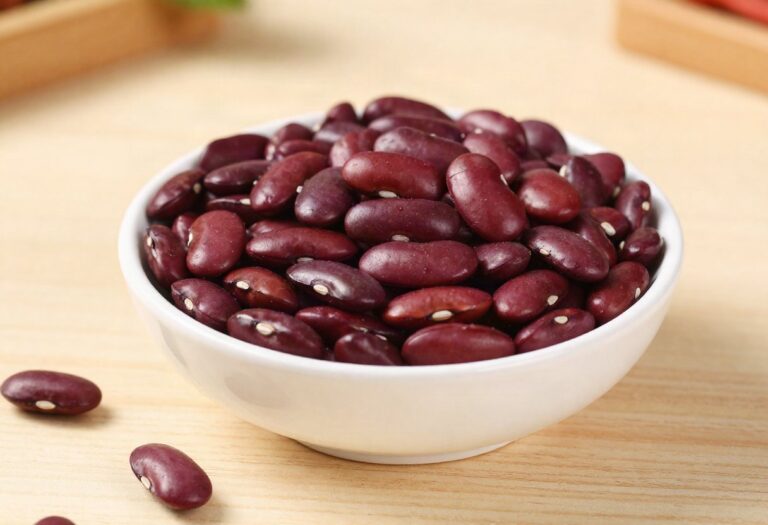
Stars of Tex-Mex cooking and slow-cooked dishes, red kidney beans are pulses prized for their melting texture and slightly sweet taste. You find them dried, to be soaked and cooked, or ready-cooked in tins, ready in a few minutes. With around 116 kcal per 100 g once cooked, they combine plant protein (9.63 g), complex carbohydrate (12.3 g) and a generous dose of fibre (11.6 g), for only 0.6 g of fat. Rich in iron, potassium and folate, they naturally earn their place in a balanced diet, whether you want to vary your protein sources or put together filling, inexpensive meals.
Macronutrient breakdown
Nutrition table per 100 g
| Calories | 116 kcal |
| Kilojoules | 485 kJ |
| Protein | 9,7 g |
| Carbohydrate | 12,3 g |
| Fat | 0,6 g |
| Fibre | 11,6 g |
Micronutrients per 100 g
All measured nutrients, ranked by share of the daily reference intake.
- Copper0,27 mg27 %
- Manganese0,44 mg22 %
- Phosphorus150 mg21 %
- Iron2,3 mg16 %
- Potassium300 mg15 %
- Vitamin B10,12 mg11 %
- Magnesium39 mg10 %
- Zinc0,94 mg9 %
- Vitamin B9dietary folate equivalents78,3 µg
See the other 10 nutrients
- Calcium55 mg7 %
- Omega-3 ALA0,13 g7 %
- Total omega-30,15 g6 %
- Vitamin B60,07 mg5 %
- Vitamin B20,02 mg2 %
- Vitamin B30,25 mg2 %
- Vitamin K11,06 µg1 %
- Vitamin B50,08 mg1 %
- Omega-6 LA0,11 g1 %
- Vitamin A0,21 µg0 %
Anses Ciqual 2025. Source: Anses, 2025, Ciqual food composition table
Tips
If you use dried kidney beans, soak them overnight, then boil them hard for a long time: this is essential, because raw or undercooked they contain indigestible compounds. Tinned versions, which you should rinse carefully to reduce the salt, save precious time. Allow a portion of about 100 to 150 g cooked per meal, as a side or in a complete dish.
- Smart pairings: combine them with a cereal such as rice or sweetcorn to get a more complete amino acid profile, a great classic of Mexican and Creole cooking.
- Culinary uses: chilli con (or sin) carne, mixed salads, soups, veggie patties, or as a side for meat or fish.
- Storage: once cooked, they keep for 3 to 4 days in the fridge and freeze very well, perfect for batch cooking.
In terms of nutrition facts, kidney beans have a low glycaemic index thanks to their complex carbohydrate and fibre, which promotes gradually released energy and good fullness. They provide iron, magnesium, potassium and folate. For a varied plate, alternate with other pulses such as lentils or chickpeas, which share similar strengths.
For active people: kidney beans are an excellent recovery ally. Their carbohydrate helps replenish glycogen stores after exercise, while their plant protein contributes to daily intake, particularly in a vegetarian approach or when gaining muscle in a controlled way. Include them in a post-training meal with a source of cereals, and remember to drink plenty, as fibre needs well-lubricated transit. To go further on protein intake, see our guidelines on nutrition for fitness.
Weight control: low in calories and very filling, kidney beans are valuable for slimming, provided you watch the preparation. Avoid versions drowned in a fatty or sweet sauce and favour gentle cooking that preserves nutrients. Introduce them gradually if you are not used to fibre, so your digestion adjusts comfortably. In sensible amounts, they fit perfectly into a lasting, tasty balanced diet.