Group · Pulses
Lentils
Lentils are among the big stars of the pulse family, loved all over the world for their versatility and nutritional value. They come in several varieties: green Puy lentils, brown lentils, red lentils and blonde lentils, each with its own texture and cooking time. With around 125 kcal per 100 g once cooked, they provide nearly 10.1 g of plant protein, 16.2 g of complex carbohydrates and a good dose of fibre. Low in fat, they fit easily into a balanced diet, whether you are vegetarian, active or simply careful about what you eat. Their moderate glycaemic index makes them a great choice for keeping you full.
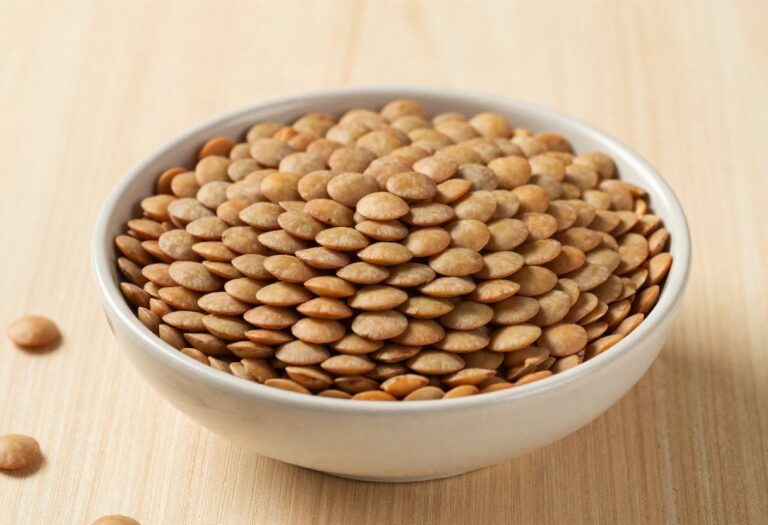
Macronutrient breakdown
Nutrition table per 100 g
| Calories | 125 kcal |
| Kilojoules | 527 kJ |
| Protein | 10,1 g |
| Carbohydrate | 16,2 g |
| Fat | 0,6 g |
| Fibre | 8,5 g |
Micronutrients per 100 g
All measured nutrients, ranked by share of the daily reference intake.
- Copper0,25 mg25 %
- Phosphorus159 mg23 %
- Manganese0,43 mg22 %
- Iron2,45 mg18 %
- Zinc1,25 mg13 %
- Potassium215 mg11 %
- Magnesium33,9 mg9 %
- Vitamin B10,09 mg9 %
- Vitamin B9dietary folate equivalents50,1 µg
See the other 11 nutrients
- Vitamin B60,11 mg8 %
- Calcium39,3 mg5 %
- Vitamin E0,53 mg4 %
- Vitamin B50,24 mg4 %
- Vitamin K12,64 µg4 %
- Vitamin B30,52 mg3 %
- Total omega-30,05 g2 %
- Omega-3 ALA0,03 g2 %
- Vitamin B20,02 mg2 %
- Omega-6 LA0,15 g2 %
- Vitamin A1,39 µg0 %
Anses Ciqual 2025. Source: Anses, 2025, Ciqual food composition table
Tips
Lentils are a valuable asset for putting together nourishing, inexpensive meals. A standard portion is between 60 and 80 g raw (around 150 to 200 g cooked). Unlike many pulses, they do not need lengthy soaking: a simple rinse is enough before cooking them in simmering water for 15 to 25 minutes depending on the variety. Red lentils, for example, cook very quickly and break down into a purée that is ideal for dals and velouté soups.
Nutrition facts and benefits:
- Plant protein (10.1 g/100 g cooked): to improve its quality, pair lentils with a cereal such as rice or bulgur wheat to get a complete amino acid profile.
- Fibre (8.45 g): it helps you feel full and keeps your digestion regular, a useful point if you are trying to lose weight.
- Moderate glycaemic index: the complex carbohydrates release energy gradually, without a sharp spike.
- Minerals: iron, magnesium, potassium and folate are well represented.
Ways to eat them: lentils work in a cold salad with shallot and vinaigrette, in a comforting soup, as a slow-cooked side dish or in plant-based patties. You can also include them in your batch cooking by making a large quantity, then keeping them for 3 to 4 days in the fridge or freezing them.
For active people: lentils are a useful source of carbohydrates and protein to replenish glycogen stores after exercise while supporting muscle recovery. When bulking on a plant-based diet, they complement other sources such as tofu or chickpeas well. Remember to combine them with cereals and to drink plenty of water, as fibre needs water to be well tolerated.
Weight control: low in calories and filling, lentils are invaluable when rebalancing your diet. Watch out for recipes rich in fat or cured meats, which make the dish heavier. To vary your intake, explore other foods in the pulse family, such as kidney beans. And to compare their nutrients, the calorie table remains a useful everyday reference.
If you have diabetes: pulses have one of the lowest glycaemic indexes. Portions and studies are in our lentils and diabetes guide.
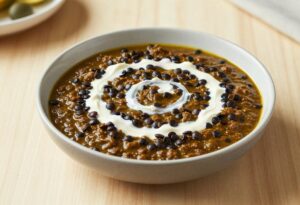
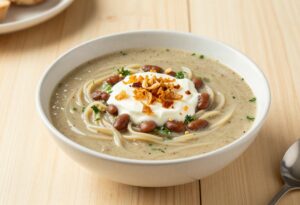
Recipes with lentils




Guides about lentils

Superfoods: the marketing term and its key foods
Gluten-free eating: a guide to flours and alternatives

Low FODMAP Diet: Easing Irritable Bowel Syndrome

DASH Diet: Lower Your Blood Pressure Through Food

The Cretan Diet: Good for Your Heart
