Group · Drinks
Sake
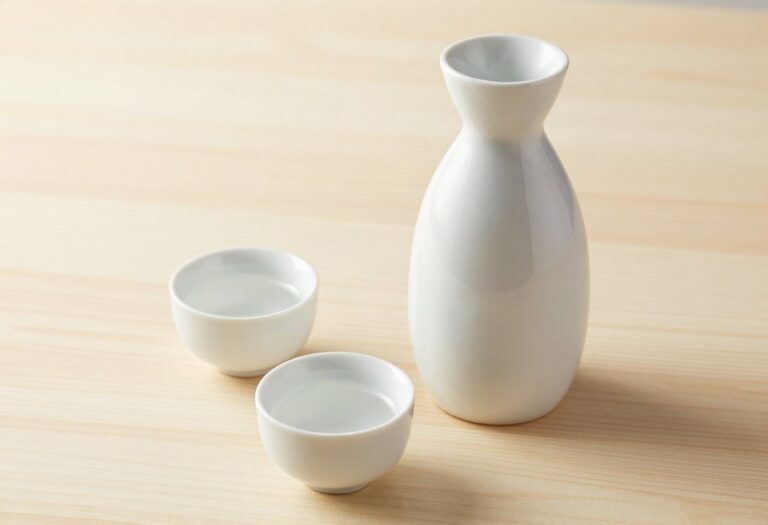
Sake is a traditional Japanese alcoholic drink made by fermenting polished rice, in which the starch is converted into sugars by a fungus, koji, and then into alcohol by yeasts. Contrary to popular belief, it is not a distilled spirit but a fermented drink, closer to wine in its process. There are many varieties (junmai, ginjo, daiginjo, nigori) depending on how far the rice is polished and how it is made. At around 113 kcal per 100 g, sake provides mainly carbohydrate from the rice and an alcohol content generally between 14 and 17%. Enjoyed with a meal or as an aperitif, it should be drunk in moderation as part of a balanced diet.
Macronutrient breakdown
Nutrition data unavailable.
Nutrition table per 100 ml
| Calories | 113 kcal |
| Kilojoules | 467 kJ |
Micronutrients per 100 ml
All measured nutrients, ranked by share of the daily reference intake.
- Magnesium6 mg2 %
- Potassium25 mg1 %
- Copper0,01 mg1 %
- Phosphorus6 mg1 %
- Iron0,1 mg1 %
- Calcium5 mg1 %
- Zinc0,02 mg0 %
Anses Ciqual 2025. Source: Anses, 2025, Ciqual food composition table
Tips
Sake can be enjoyed both chilled and warm (when heated, it is called kanzake), depending on its quality and the season. Premium sakes, such as daiginjo, reveal their floral and fruity aromas at low temperatures, while more rustic sakes are better lukewarm. At the table, it is ideal with sushi, sashimi, simmered dishes and preparations based on fish or seafood, whose delicacy it highlights.
Nutrition facts and calories. Per 100 g, sake contains about 113 kcal, 0 g of carbohydrate, 0 g of protein and no fat or fibre. Most of its energy comes from the alcohol itself, which provides about 7 kcal per gram. Its glycaemic index is hardly meaningful here, but its residual sugars vary by style: a dry sake (karakuchi) contains little, a sweet sake (amakuchi) more. It is therefore not a “diet” drink, but a pleasure to include occasionally.
Practical tips. A sensible serving is a small glass (50 to 100 ml). Serve it in a traditional cup (ochoko) or a wine glass for aromatic bottlings. Once the bottle is open, keep the sake in the fridge and drink it quickly, as its qualities deteriorate in the air. Remember to alternate with a glass of water to stay hydrated and limit the effects of alcohol.
- Avoid combining sake with other sweet or alcoholic drinks during the same meal.
- Favour slow sipping alongside a dish rather than drinking on an empty stomach.
- Keep in mind the recommended moderation guidelines for alcoholic drinks.
Active people, take care. Like any alcohol, sake has no place around exercise: it disrupts hydration, muscle recovery and sleep quality. If you are watching your body composition, it is better to keep your carbohydrate and protein intake for useful sources. To refuel after training, choose instead a post-training shaker or a protein snack suited to your needs.
Sake is above all a drink for pleasure and discovery. To compare its calories with those of other drinks or look at other foods, the food calorie table will help you adjust your consumption in a spirit of moderation.