Group · Fish
Ling
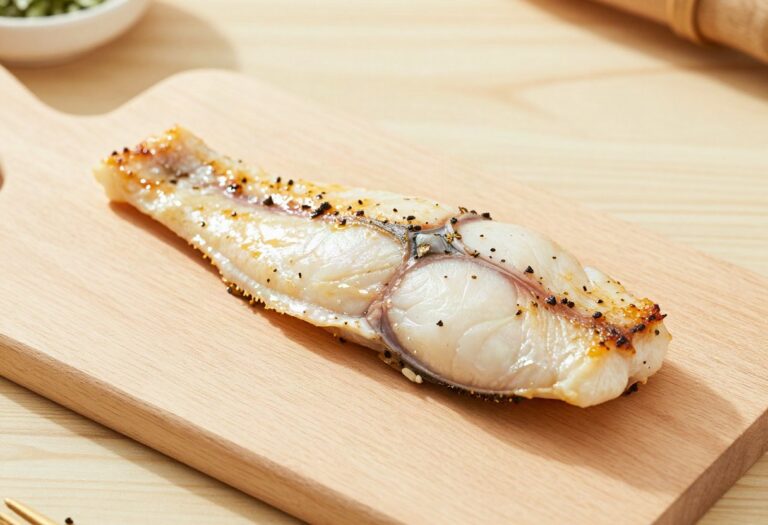
The ling, sometimes called julienne in French, is a lean fish of the gadoid family, close to cod and hake. It is recognised by its long, streamlined body and its white, firm and delicate flesh, which suits many preparations. Sold fresh as fillets or steaks, but also salted or dried in some regions, it is popular for its versatility in the kitchen. Nutritionally, ling has a very interesting profile: about 98 kcal and nearly 24.5 g of protein per 100 g, with very little fat and no carbohydrate. It is a great option for anyone watching their figure while looking for a good-quality source of protein.
Macronutrient breakdown
Nutrition table per 100 g
| Calories | 98 kcal |
| Kilojoules | 417 kJ |
| Protein | 24,5 g |
| Fat | 0,9 g |
Micronutrients per 100 g
All measured nutrients, ranked by share of the daily reference intake.
- Selenium60 µg109 %
- Iodine49 µg33 %
- Vitamin B120,78 µg31 %
- Phosphorus180 mg26 %
- Potassium330 mg17 %
- Vitamin B60,22 mg16 %
- Vitamin B32,26 mg14 %
- Vitamin B919,5 µg10 %
See the other 9 nutrients
- Magnesium31 mg8 %
- Zinc0,62 mg6 %
- Vitamin B50,22 mg4 %
- Vitamin B10,02 mg2 %
- Copper0,02 mg2 %
- Calcium13 mg2 %
- Iron0,14 mg1 %
- Vitamin B20,01 mg1 %
- Total omega-30 g0 %
Anses Ciqual 2025. Source: Anses, 2025, Ciqual food composition table
Tips
Ling is simple and quick to cook. Its white flesh copes well with steaming, baking in parchment, poaching in court-bouillon or pan-frying with a drizzle of olive oil. To keep it tender and preserve its nutrition facts, choose gentle cooking and avoid applying heat for too long, or the fillet will dry out. A squeeze of lemon, fresh herbs (dill, parsley, chives) and a few seasonal vegetables are enough to make a balanced, light dish.
In terms of benefits, ling is the lean fish par excellence: with less than 0.82 g of fat and no carbohydrate, it is very digestible and low in calories. Its complete protein provides the essential amino acids, and it naturally supplies iodine, phosphorus, selenium and B vitamins. It is an asset in a balanced diet, where the aim is to feel full without adding to the energy total.
- Recommended portion: 120 to 150 g per meal, served with green vegetables and a wholegrain starchy food.
- Pairings: rice, quinoa, steamed potatoes, ratatouille or sautéed courgettes.
- Storage: eat fresh ling within 24 to 48 hours, or freeze it quickly after buying.
- Time of day: ideal at lunch or dinner for a light, protein-rich meal.
For active people, ling is an excellent source of lean protein to support muscle recovery after exercise. At dinner after a session, pair it with complex carbohydrates to replenish energy stores. Its low fat content makes it an ally during cutting or maintenance phases. To top up your intake on days of intense training, you can also take inspiration from ideas for protein snacks suited to your needs.
If you enjoy lean white fish, explore similar options such as cod or whiting, which have a comparable nutritional profile. To vary your menus, discover the whole fish family and compare intakes with the food calorie table. A point to note for weight loss: ling stays low in calories as long as the preparation does too. Avoid breadcrumbs, frying and sauces rich in cream or butter, which would push up the total energy. Opt for light marinades and cooking methods with no added fat.