Group · Fish
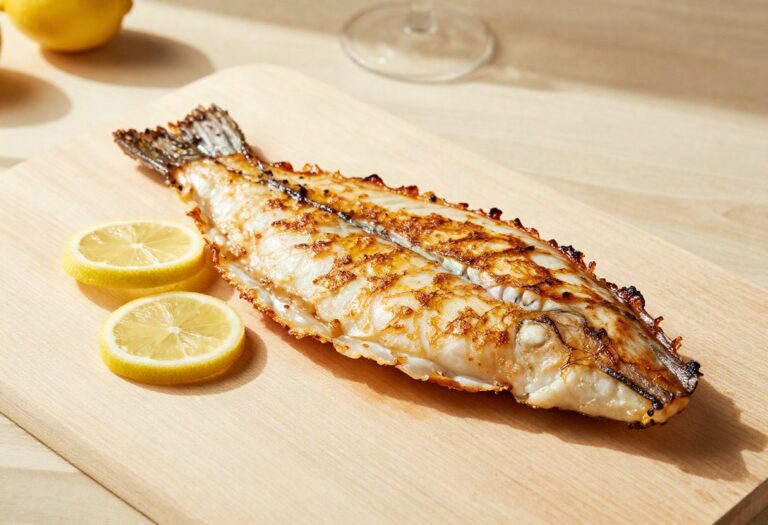
Tropical sole
The tropical sole, also known as tongue sole, is a flatfish from the warm waters of West Africa and Asia. Sold as « sole » in Europe, it is only distantly related to the common sole of the North Atlantic.
In terms of nutrition facts, raw: 70.3 kcal per 100 g, with 15.7 g of protein and 0.58 g of fat. It provides 30.6 µg of selenium per 100 g, with 0.35 g of salt.
Macronutrient breakdown
Nutrition table per 100 g
| Calories | 70 kcal |
| Kilojoules | 298 kJ |
| Protein | 15,7 g |
| Carbohydrate | 0,6 g |
| Fat | 0,6 g |
Micronutrients per 100 g
All measured nutrients, ranked by share of the daily reference intake.
- Selenium30,6 µg56 %
- Vitamin B120,92 µg37 %
- DHA0,06 g23 %
- Iodine21,7 µg14 %
- EPA0,04 g14 %
- Phosphorus80,4 mg11 %
- Vitamin B60,1 mg7 %
- Vitamin B31,14 mg7 %
See the other 12 nutrients
- Potassium125 mg6 %
- Magnesium20,1 mg5 %
- Total omega-30,09 g4 %
- Vitamin B10,04 mg3 %
- Zinc0,29 mg3 %
- Vitamin B20,03 mg2 %
- Calcium15,6 mg2 %
- Vitamin E0,22 mg2 %
- Vitamin B50,1 mg2 %
- Iron0,22 mg2 %
- Omega-3 ALA0 g0 %
- Omega-6 LA0 g0 %
Anses Ciqual 2025. Source: Anses, 2025, Ciqual food composition table
Tips
70.3 kcal: this is a very light fish. But it has only 15.7 g of protein, against 20 g for a plaice. The ratio is decent without being remarkable.
It lacks the delicacy of true sole. Its flesh is softer and its flavour more neutral. At the price it sells for, it is an honest compromise, but the name causes some confusion.
Read the label: the species and the FAO fishing zone are mandatory. It is the only way to know whether you are buying common sole or tongue sole, which are priced very differently.
Cook it very briefly. The fillets are thin and the flesh fragile: two minutes per side in a frying pan, no more. Six minutes is enough in a parcel.
It comes from a long way away. It is often caught off West Africa and frozen. A European flatfish such as dab offers a better profile for far less transport.