Group · Drinks
White wine
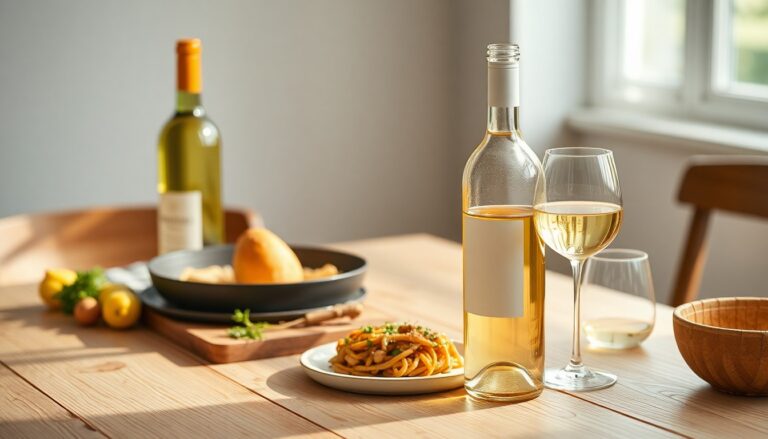
White wine is an alcoholic drink made by fermenting the juice of grapes, generally pale-skinned, and sometimes black varieties made without skin contact. There are dry, medium-dry, sweet and dessert white wines, as well as sparkling versions. Its aromas vary with the grape variety (chardonnay, sauvignon, riesling, chenin) and the terroir. Nutritionally, white wine provides about 72.3 kcal per 100 g, with almost no protein or fat, and a low carbohydrate content (1.78 g) for dry versions. Most of its calories come from the alcohol. Enjoyed as an aperitif or with a meal, it should be drunk in moderation as part of a balanced, sociable diet.
Macronutrient breakdown
Nutrition table per 100 ml
| Calories | 72 kcal |
| Kilojoules | 300 kJ |
| Protein | 0,1 g |
| Carbohydrate | 1,8 g |
Micronutrients per 100 ml
All measured nutrients, ranked by share of the daily reference intake.
- Iron0,6 mg4 %
- Potassium54,8 mg3 %
- Manganese0,05 mg2 %
- Magnesium5,28 mg1 %
- Vitamin B60,02 mg1 %
- Calcium9,16 mg1 %
- Phosphorus7,17 mg1 %
- Vitamin B20,01 mg1 %
See the other 6 nutrients
- Iodine1 µg1 %
- Vitamin B30,09 mg1 %
- Vitamin B50,03 mg1 %
- Vitamin B10,01 mg0 %
- Zinc0,02 mg0 %
- Vitamin B90,1 µg0 %
Anses Ciqual 2025. Source: Anses, 2025, Ciqual food composition table
Tips
White wine is ideal with fish, seafood, goat’s cheese and poultry. Served chilled (between 8 and 12 °C depending on the type), it shows off its floral, fruity or mineral notes. A reasonable serving is a glass of about 10 to 12 cl. Beyond that, the calories from alcohol add up quickly, without providing fibre or filling nutrients.
Varieties and cooking uses. Dry wines (sauvignon, muscadet) suit cooking: deglazing, sauces, court-bouillon, risotto. Sweeter, medium-sweet and dessert versions have more carbohydrate and calories, so are best kept for occasional tasting. To go with a platter of seafood or a fillet of fish, a dry white will bring out the freshness of the ingredients.
Nutrition facts and moderation. With 0 g of fat and very little protein, white wine mostly provides empty calories, meaning energy with no real nutritional value. If you are watching your weight, bear in mind that alcohol slows down the use of fat and stimulates the appetite. To find out more, see our article on empty calories and their effects. Sensible drinking fits into a well-run balanced diet approach.
- Storage: keep an open bottle in the fridge, re-corked, and finish it within 2 to 3 days.
- Hydration: alternate with water, as alcohol is dehydrating.
- Timing: have it with a meal rather than on an empty stomach.
Advice for active people. Alcohol has no place in a performance or recovery strategy. It disrupts sleep, protein synthesis and rehydration after exercise. If you want to optimise your progress, turn instead to the principles of fitness nutrition and keep white wine for sociable moments, outside intense training phases.
Like all drinks in the drinks family, white wine is to be enjoyed with pleasure and discernment. Appreciate its taste qualities without excess, and pair it with light dishes for an experience that is both indulgent and measured.