Reflexologist: career guide, training, salary and job prospects
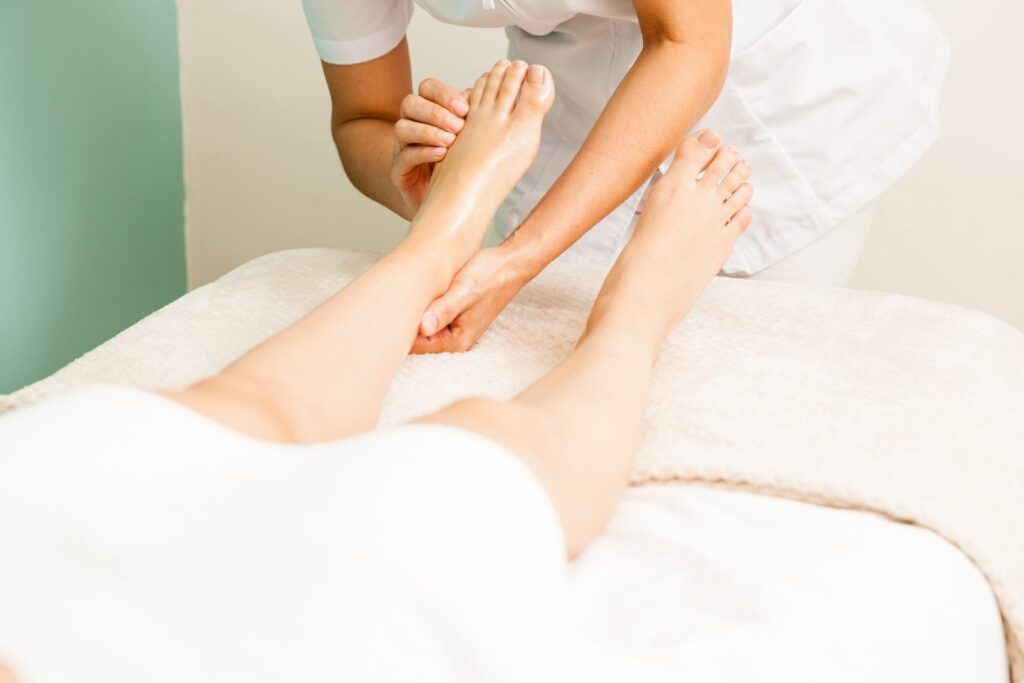
The reflexologist stimulates reflex zones (feet, hands, face, ears) to encourage relaxation and overall wellbeing. A gentle, hands-on discipline in high demand, reflexology attracts many people retraining for a career in wellbeing. Here is a complete overview of the profession.
The reflexologist profession in figures
| Average salary | €1,500 – €2,800 / month (self-employed) |
| Education level | No state diploma (private certifications) |
| Length of training | 1 to 2 years (often an RNCP certification, the French national register of professional qualifications) |
| Status | Overwhelmingly self-employed |
| Legal framework | Unregulated profession |
| Who it is for | Relaxation, stress, sleep, wellbeing |
What is a reflexologist?
The reflexologist practises reflexology: by applying pressure to reflex zones (most often on the feet), they aim to induce deep relaxation and support the body’s overall balance. It is an approach focused on wellbeing and relaxation, complementary and non-medical.
What a reflexologist does day to day
- Welcome the client and identify their relaxation needs.
- Carry out reflexology sessions (foot, hand and face reflexology).
- Encourage relaxation and the release of tension.
- Support overall wellbeing (stress, sleep, fatigue).
- Give lifestyle advice, within the limits of the role.
- Refer clients to a doctor when necessary.
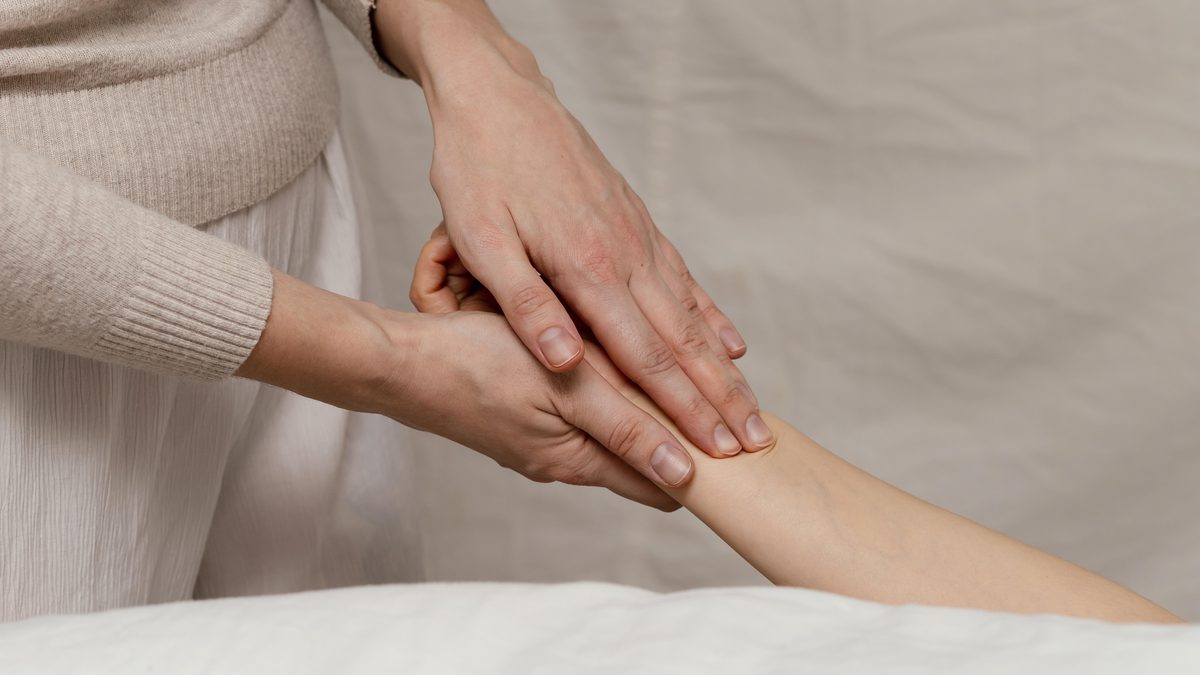
Skills and qualities required
- Command of reflexology techniques and of the reflex zones.
- Sensitive touch, gentleness and precision.
- Excellent listening skills and presence.
- Ethics and awareness of the limits of the practice (non-medical).
- Business skills (self-employed activity).
How to become a reflexologist: training and career path
There is no state diploma: choosing a certified course is decisive.
Opt for a course listed on the RNCP (the French national register of professional certifications) and recognised by an industry federation.
Anatomy, reflex zones, pressure techniques, professional ethics and plenty of hands-on practice.
Legal status, communication and management: essential to make a living as a self-employed practitioner.
Your own practice, home visits, beauty salons, spas or companies. Partnerships help widen your client base.
What salary can a reflexologist expect?
€1,500
€2,200
€2,800
As the work is self-employed, income depends on the client base and the number of sessions. Sessions in companies, spas or beauty salons, along with word of mouth, are key ways to grow your business.
Job prospects and places of work
- Private practice or home visits.
- Spas, beauty salons and wellbeing centres.
- Companies (relaxation breaks, workplace wellbeing).
- Multidisciplinary health centres (as a complement).
- Wellbeing events and fairs.
Career progression
Reflexologists can specialise (perinatal care, athletes, stress support), combine complementary approaches (sophrology, wellbeing massage, naturopathy), become trainers, or open their own wellbeing centre.
Reflexologist or sophrologist: what is the difference?
| Criteria | Reflexologist | Sophrologist |
|---|---|---|
| Method | Pressure on reflex zones (touch) | Breathing, relaxation, visualisation |
| Area worked on | Feet, hands, face | Mind and body (no touch) |
| Aim | Relaxation, release of tension | Managing stress and emotions |

Frequently asked questions
Is reflexology recognised?
It is not a regulated healthcare profession, but RNCP certifications (the French national register of professional qualifications) frame the training. Reflexology is a wellbeing approach, never a medical treatment.
Do you need a qualification to be a reflexologist?
No state diploma is required, but a certified course (often RNCP) with a solid practical component is strongly recommended.
How much does a reflexologist earn?
From €1,500 to €2,800 a month depending on the client base, as the work is self-employed. Sessions in companies and beauty salons often top up private appointments.
Reflexologist or sophrologist: which should you choose?
A reflexologist works through touch (reflex zones) to promote relaxation; a sophrologist uses mental and breathing techniques to manage stress. The two are complementary.
Going further
Reflexology is part of the wellbeing professions. Also take a look at the sophrologist, the yoga teacher and the naturopath.
Wellbeing also depends on what is on your plate and on your sleep: read our guides food and stress management and foods for better sleep.
Salary and training figures are indicative (2025) and vary with experience, region and status. This guide is for information only and is not personalised career advice.