Which Foods Help You Sleep Well? A Guide to Restorative Nights

Do you toss and turn all night despite your calming bedtime rituals? What is on your plate in the evening could explain those restless nights. Did you know that certain foods that help you sleep, such as slow carbohydrates (brown rice, sweet potato) or sources of tryptophan (milk, banana, almonds), support the production of melatonin, the rest hormone? Eating dinner two to three hours before bed gives your body time to digest and prepare for deep sleep. In this article, discover the ideal combinations for a balanced dinner, the things to avoid (caffeine, fat), and how to adapt this advice for children. Turn your plate into a lever for finally restorative nights.
👉 Free tool: Calories burned – calculate in 30 seconds, no sign-up needed.
- How does diet influence our sleep?
- Foods that help you sleep, to put on your plate
- Foods and drinks to avoid for peaceful nights
- When and how to eat to sleep well: good practice
- What about babies’ and children’s sleep?
- Your cheat sheet for restorative nights through diet
The unsuspected link between your plate and your nights
The quality of your sleep depends in part on your diet, especially in the evening. What you eat boosts or disrupts the production of hormones such as melatonin, which is key to sleep. For example, eating five portions of fruit and vegetables a day improves the quality of your rest by 16% within 24 hours, thanks to their melatonin-supporting nutrients, such as the magnesium in spinach or the antioxidants in berries. These foods also reduce night-time waking by stabilising sleep cycles.
Conversely, late meals that are fatty or rich in protein slow digestion and impair deep sleep. Caffeine, found in coffee or chocolate, blocks adenosine, the molecule that prepares the body for rest. Hydration and meal timing matter as much as what you eat: a dinner that is too large or eaten less than two hours before bed raises body temperature, making it harder to fall asleep. A balanced diet, combined with other healthy habits (avoiding screens), optimises restorative nights. Find out which specific foods to favour for more peaceful nights.
How does diet influence our sleep?
Diet affects sleep through nutrients such as tryptophan and carbohydrates, but also through hydration and meal timing. Poor eating habits impair the quality of your rest, whereas a balanced dinner supports restorative sleep. For example, drinking enough during the day supports bodily functions, but drinking too much before bed causes waking in the night.
The winning trio: tryptophan, serotonin and melatonin
Tryptophan, an essential amino acid found in eggs, pulses and dairy products, is converted into serotonin (which regulates mood) and then into melatonin (the sleep hormone). This conversion depends on what you eat, because the body cannot make tryptophan on its own. Vitamins B6 (bananas, spinach) and B12 (wholegrain cereals, offal) help with these conversions, while a deficiency in tryptophan or magnesium (almonds, cocoa) can disrupt falling asleep.
Plant sources (lentils, quinoa) are preferable because they are easy to digest. If you get a late-night craving, a sweet snack (unsweetened stewed fruit) with tryptophan-rich foods (almonds) optimises your intake.
The role of carbohydrates in calming the brain
Complex carbohydrates (brown rice, quinoa, wholemeal bread) stimulate insulin secretion. Insulin clears away competing amino acids, letting tryptophan cross the blood-brain barrier. A light evening meal rich in carbohydrates therefore improves melatonin production.
Conversely, fatty or heavy meals disrupt digestion and fragment sleep. Eating dinner 2 hours before bed limits these effects. A sweet snack (banana, honey) in the late afternoon can also help, combining tryptophan and carbohydrates for optimal transport to the brain. Avoid rich sauces and fatty meat in the evening, which weigh down digestion.
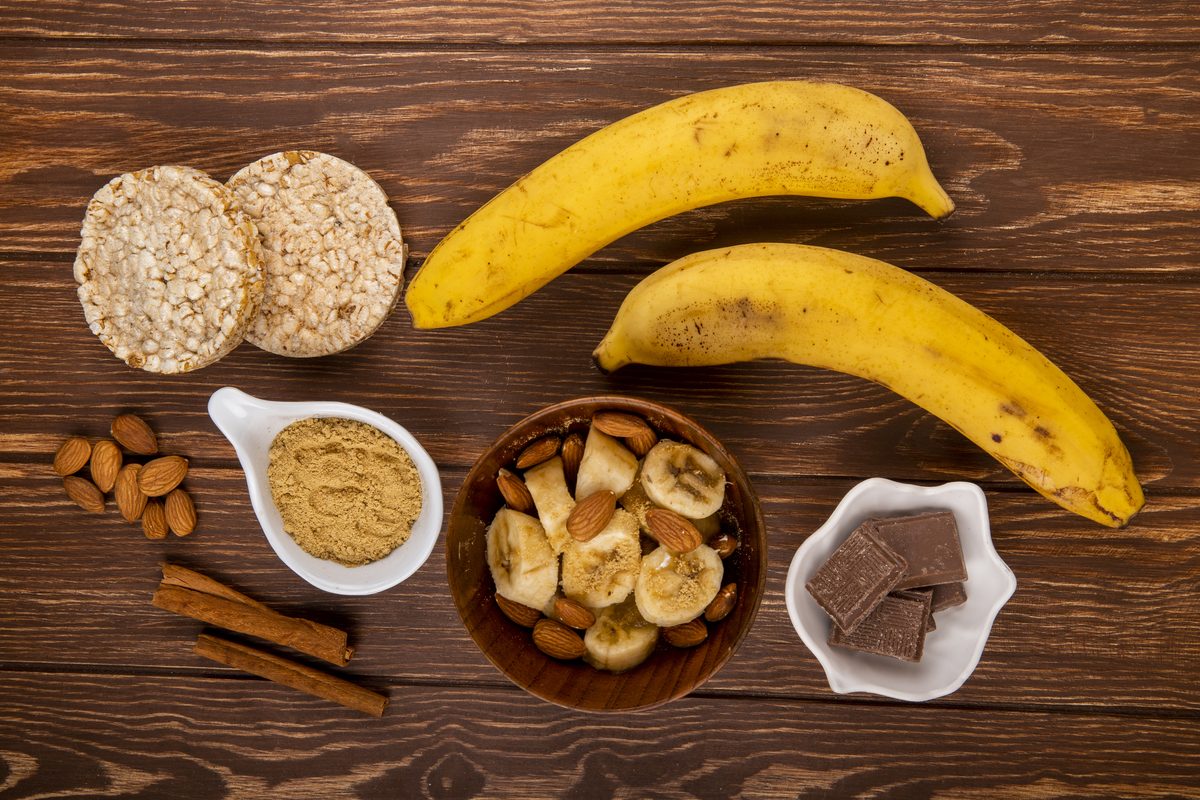
Foods that help you sleep, to put on your plate
Tryptophan sources to favour
Tryptophan is an essential amino acid needed to make serotonin, the precursor of melatonin (the sleep hormone). To optimise its absorption, favour non-animal sources in the evening.
- Eggs: rich in tryptophan and vitamin B6, supporting melatonin synthesis.
- Nuts and seeds: almonds, hazelnuts, sesame seeds (1097 mg/100g) and cashew nuts (290 mg/100g).
- Pulses: lentils (270 mg/100g), chickpeas and dried beans.
- Wholegrain cereals: oats, quinoa, brown rice (190 mg/100g).
- Banana: a source of tryptophan, magnesium and potassium, helping with muscle relaxation.
Complex carbohydrates to avoid night-time cravings
Slow carbohydrates (low glycaemic index) keep you full for longer and make it easier to absorb tryptophan. Avoid fast sugars after 4pm.
- Brown rice: regulates blood sugar, ideal as a side with dinner.
- Wholewheat pasta: 200 mg of tryptophan/100g of al dente pasta.
- Potatoes: rich in potassium, which helps nervous relaxation.
- Quinoa: the perfect combination of carbohydrates and tryptophan (190 mg/100g).
- Semolina: a source of vitamin B9, involved in serotonin synthesis.
A portion of 120 to 160g (cooked) is recommended for athletes, with a spoonful of nut oil for omega-3.
Allies rich in magnesium and natural melatonin
Magnesium regulates melatonin and calms brain excitability. Some sources, such as almonds, also contain melatonin.
- Almonds: 350 mg of tryptophan/100g and 268 mg of magnesium per handful.
- Banana: 350 mg of magnesium/100g, combined with potassium for muscle relaxation.
- Milk: 400 mg of tryptophan/100g and calcium, supporting melatonin synthesis.
| Food | Key nutrients | How it helps sleep |
|---|---|---|
| Banana | Tryptophan, Magnesium, Potassium | Supports melatonin production and muscle relaxation. |
| Almonds | Tryptophan, Magnesium, Melatonin | A source of natural melatonin that helps nervous relaxation. |
| Milk and dairy products | Tryptophan, Calcium | Tryptophan is the precursor of serotonin and melatonin. |
| Brown rice, Oats | Complex carbohydrates, Tryptophan | Makes it easier for the brain to absorb tryptophan and regulates blood sugar. |
| Lentils, Chickpeas | Tryptophan, B vitamins, Complex carbohydrates | An ideal combination for serotonin production. |
| Oily fish (salmon) | Tryptophan, Vitamin B6 | Vitamin B6 is a key cofactor in converting tryptophan into melatonin. |
Foods and drinks to avoid for peaceful nights
What you choose to eat in the evening directly affects the quality of your sleep. Some foods and drinks disrupt falling asleep or fragment sleep. Here are the main ones to limit.
Stimulants: the false friends of your energy
Caffeine and nicotine stimulate the nervous system, increasing alertness and heart rate. Caffeine, found in coffee, tea, fizzy drinks and dark chocolate, can delay falling asleep by 30 to 60 minutes. Its effect lasts for up to 6 hours after consumption. Nicotine, for its part, shortens deep sleep and encourages micro-awakenings during the night. These substances also impair the production of melatonin, the sleep hormone.
Alcohol: a deceptive way to fall asleep
Alcohol acts as an initial sedative, making it easier to fall asleep. However, it makes sleep unstable in the second half of the night, with frequent waking and early-morning insomnia. It also reduces REM sleep, which is essential for mental recovery. In addition, it relaxes the respiratory muscles, worsening snoring and the risk of sleep apnoea.
Meals that are too fatty or hard to digest
Dishes high in saturated fat (fried foods, sauces) put a strain on the digestive system and raise body temperature. A high body temperature makes it harder to fall asleep. These foods also disrupt sensitivity to orexin, a hormone that regulates wakefulness, which fragments sleep. Finally, large meals before bed can trigger gastro-oesophageal reflux, a source of unwelcome waking.
- Coffee, tea, fizzy drinks and dark chocolate (rich in caffeine).
- Alcohol, which disrupts sleep in the second half of the night.
- Dishes in sauce, fried foods and very fatty foods, which make digestion harder.
- Nicotine, a powerful stimulant that delays falling asleep.
- Meals too rich in animal protein (red meat), which can have a stimulating effect.
The recommendations of the French National Institute for Sleep and Vigilance (INSV) stress the importance of a balanced dinner. Avoid these foods 2 to 3 hours before bed to protect the quality of your sleep.
When and how to eat to sleep well: good practice
The dinner clock: finding the right timing
In practical terms, wait two to three hours between dinner and bedtime. This gap gives your body time to start digesting and to lower its temperature, two key conditions for falling asleep naturally. Poorly calibrated timing disrupts the REM sleep phase, which is essential for recovery.
Building a dinner that is light but sufficient
A balanced plate should combine green vegetables, complex carbohydrates and lean protein rich in tryptophan (eggs, fish). Starchy foods support the production of serotonin, the precursor of melatonin. Light protein avoids heavy digestion. Steer clear of fatty or spicy dishes and anything rich in red meat, which raise body temperature and slow transit. Tryptophan, better absorbed alongside carbohydrates, is activated by the magnesium in green vegetables, a key mineral for muscle relaxation.
Hydration and evening rituals
Drinking regularly during the day supports the hormonal regulation of sleep. In the evening, choose a hot, caffeine-free herbal tea. Chamomile, thanks to its apigenin, calms anxiety, verbena soothes digestive complaints, and lemon balm reduces restlessness. Choose these over water in the evening: their calming action, combined with a soothing ritual, prepares you mentally for rest.
- Eat a light dinner at least two hours before going to sleep
- Combine complex carbohydrates (pasta, rice) with vegetables and plant proteins
- Avoid fatty, spicy or saucy dishes
- Finish with a relaxing herbal tea rather than a glass of water
What about babies’ and children’s sleep?
Adapting the principles for the youngest
The nutritional principles that support melatonin, the sleep hormone, also apply to children. Favour easily digestible meals: sweet potato purée, banana compote or semolina pudding. These foods provide slow sugars and tryptophan without weighing down digestion.
Adapt quantities to age: 10 g of protein/day for 6 to 12 months, 30 g for 2 to 3 year olds. Milk, a source of tryptophan, remains essential (500 ml/day after weaning onto solids). Limit heavy proteins (red meat, eggs) in the evening to avoid sleep problems.
Precautions to take
Quantities should be moderate. Sugars (biscuits) and fats (fried foods) stimulate orexin, the wakefulness hormone, and disrupt rest. In particular, avoid aubergine, which is rich in nicotine, before bed.
If problems persist, consult a paediatrician. Soothing rituals (reading, a night light) combined with a balanced diet improve sleep. Avoid drinks before bed to limit night-time waking.
- Avoid fatty and processed dishes (pizzas, sausages).
- Favour slow sugars (rice, pasta) for lasting energy.
- Adapt protein: limit red meat after 6pm.
Your cheat sheet for restorative nights through diet
Adopting good eating habits improves your sleep. By combining helpful foods with good meal habits, you will optimise melatonin production, the key to restorative sleep.
Diet, a powerful lever for your sleep
Your food choices directly influence the quality of your sleep. By including specific foods and avoiding the pitfalls, you will reduce night-time waking.
- Prioritise the tryptophan + complex carbohydrate duo: combine brown rice, pasta or vegetables. Tryptophan, the key amino acid for melatonin, is better absorbed with carbohydrates.
- Banish stimulants and heavy meals: caffeine, alcohol and fatty dishes disrupt falling asleep and night-time digestion.
- Leave 2 to 3 hours between your meal and bedtime: active digestion hinders falling asleep and worsens reflux.
Complete this with regular hydration (without overdoing it before bed) and magnesium-rich foods (almonds, avocados) for optimal muscle relaxation.
Your plate influences your nights: by combining tryptophan and complex carbohydrates (rice, lentils), avoiding stimulants and heavy meals, and leaving 2 to 3 hours before bedtime, you naturally optimise your sleep. Small dietary adjustments, as part of an overall healthy routine, are enough to turn your nights into restorative moments.

FAQ
What should I eat in the evening to improve my sleep?
To make it easier to fall asleep, favour a light dinner combining complex carbohydrates (brown rice, pasta, potatoes) with small amounts of tryptophan-rich foods such as pulses (lentils, chickpeas), eggs, dairy products or almonds. These combinations support the production of serotonin and melatonin, the sleep hormones. Avoid fatty or spicy dishes, which disrupt digestion and raise body temperature, making it harder to fall asleep.
Which foods are richest in melatonin?
Foods naturally rich in melatonin include almonds (0.5 mg of melatonin per 100 g), bananas (0.3 mg/100 g), lettuce (0.2 mg/100 g), dried apricots (0.15 mg/100 g), and some cereals such as brown rice or quinoa. Other foods, such as milk, eggs and pulses, contain melatonin precursors (tryptophan, magnesium). These nutrients indirectly stimulate the production of the sleep hormone.
Which fruit promotes restorative sleep?
The banana is the most recommended fruit for improving sleep. It provides tryptophan, magnesium and potassium, which help with muscle relaxation and melatonin regulation. A fresh banana or banana compote can be eaten in the evening, ideally with slow carbohydrates (such as porridge oats) to optimise tryptophan absorption. Other fruits such as sour cherries or plums are also beneficial, but less easy to find every day.
What are the 10 best foods for sleep?
For quality sleep, include these foods:
- Almonds (a source of magnesium and natural melatonin);
- Brown rice (slow carbohydrates that make tryptophan easier to absorb);
- Lentils (rich in tryptophan and fibre);
- Banana (a combination of potassium and tryptophan);
- Eggs (melatonin precursors);
- Warm milk (calcium that helps tryptophan work);
- Lettuce (sedative thanks to lactucarium);
- Chickpeas (a balance of protein and carbohydrates);
- Spinach (vitamin B9 for serotonin production);
- Quinoa (carbohydrates and tryptophan in ideal proportions).
Which vegetables help you sleep peacefully?
Leafy green vegetables such as spinach and chard are rich in vitamin B9, essential for serotonin synthesis. Lettuce, for its part, contains lactucarium, a natural sedative substance. Squashes (such as courgette) and cruciferous vegetables (cabbage, broccoli) provide minerals (magnesium, potassium) that relax the muscles and prevent night-time cramps. Finally, the potato is a slow carbohydrate that digests slowly, avoiding cravings before bed.
Which foods should I favour in the evening to help me fall asleep?
Opt for balanced meals including:
- A starchy food (brown rice, semolina, sweet potato) for its gradual release of glucose;
- A moderate portion of plant protein (lentils, quinoa);
- Vegetables (spinach, courgettes) for their magnesium content.
Simple options such as a lentil and rice soup, a sweet potato and spinach mash, or a mushroom omelette are ideal. Avoid fatty meats and mature cheeses, which slow digestion.
How can I naturally boost the sleep hormone?
Melatonin can be boosted through a diet rich in tryptophan (found in pulses, nuts and dairy products) and in cofactors such as vitamin B6 (found in oily fish) and B9 (green vegetables). Limiting screen time in the evening and eating dinner 2 to 3 hours before bed strengthen its production. Foods such as banana, almonds and warm milk, combined with slow carbohydrates (oats, rice), optimise its absorption. In the case of a deficiency, supplements may be considered under medical advice.
How can I fall asleep easily when I have insomnia?
If you have difficulty falling asleep, drink a chamomile or verbena herbal tea an hour before bed. Light foods such as banana compote with lemon or a soup made with whole milk can help. Follow the « light dinner » rule by avoiding stimulants (caffeine, alcohol) after 4pm. Add a soothing ritual: reading, deep breathing or gentle stretching. If sleep is slow to come, warm milk with a pinch of cinnamon encourages relaxation thanks to its calcium and tryptophan.
Which herbal tea is recommended for restorative sleep?
Chamomile tea is ideal for its soothing properties, reducing anxiety and night-time waking. Verbena relieves muscle spasms and improves the quality of REM sleep. Lemon balm, combined with orange blossom, regulates emotions and helps you fall asleep quickly. Finally, valerian root, although stronger, is reserved for occasional cases of acute insomnia. Prepare them without too much sugar to maximise their effect without disturbing blood sugar during the night.
Further reading
Food pages: Almond, Brown rice, Lentils, Quinoa, Egg
Recipes to try: Oat and raisin cookies, Protein banana pancakes, Quinoa fruit porridge
💼 Careers & guidance: interested in this field professionally? Discover our career pages: yoga teacher, reflexologist.


