Hidden Sugar: The Silent Enemy in Your Diet
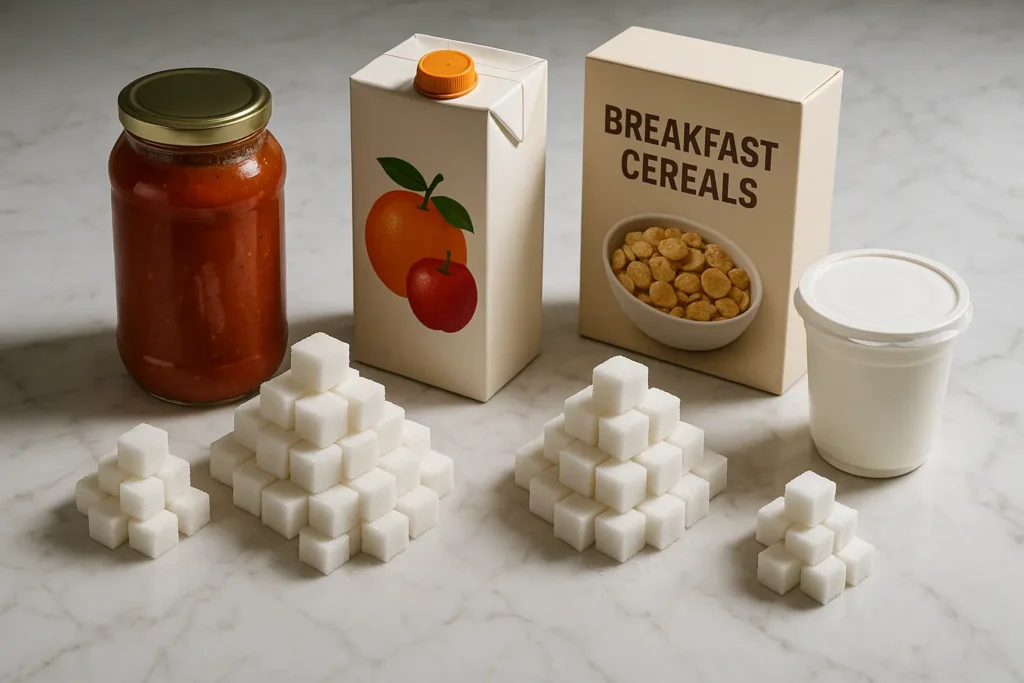
Hidden sugar: did you know it lurks even in your favourite savoury dishes, with an average intake of 100 g a day against the 25 g recommended by the WHO? Behind this industrial problem lie higher risks of diabetes, cardiovascular disease and insulin resistance, as Anses points out. Find out how these sugars, present in unexpected processed products (ketchup, “0%” yoghurts), turn your plate into a ticking time bomb. Learn to track them down with tips for decoding labels and recognising the 30+ names for sugar (dextrose, agave syrup). Discover the secrets the industry would rather keep quiet, before they affect your metabolism.
- Hidden sugar: the invisible enemy lurking on your plate
- The health risks of eating too much added sugar
- Why do manufacturers add sugar everywhere?
- Where does sugar hide? Surprising foods to watch out for
- Learning to decode labels to hunt down sugar
- Our practical tips for cutting your intake day to day
- Towards more mindful eating: taking back control
Hidden sugar: the invisible enemy lurking on your plate
Sugar doesn’t just hide in sweets or cakes. It also slips into unexpected foods such as ready meals, sauces and even ham. Hidden sugar, added by manufacturers, can appear under more than 30 different names on nutrition labels, making it hard to identify.
The figures are striking: average sugar intake reaches 100 g a day in France, four times the 25 g recommended by the WHO to protect health. This gap highlights a little-known reality: sugar creeps into foods we believe to be healthy, such as shop-bought soups, breakfast cereals and even sliced bread.
This silent problem comes at a price. Eating too much hidden sugar over a long period can lead to blood sugar spikes, weight gain and higher risks of diabetes or cardiovascular disease. Manufacturers use it to enhance flavour, improve texture or extend shelf life, but these benefits hide underestimated consequences.
This article reveals the unexpected places where sugar hides and its effects on health. By reading it, you will be able to spot misleading ingredients and adopt simple alternatives to cut your intake. For example, did you know that half a frozen pizza can contain the equivalent of three sugar cubes?
The health risks of eating too much added sugar
The impact on weight and metabolism
Eating too much sugar, especially in liquid form, disrupts energy regulation. Sugary drinks and shop-bought juices cause rapid spikes in blood sugar, followed by a release of insulin that promotes the storage of calories as fat. According to ANSES, excessive sugar consumption contributes to weight gain, with a higher risk of being overweight or obese. In France, more than 75% of industrial food products contain hidden sugars, which amplifies this risk.
The development of chronic diseases
“Excessive consumption of sugars, especially liquid ones, increases the risk of being overweight, obesity, type 2 diabetes, cardiovascular disease and tooth decay.”
These cumulative effects are explained by the chronic inflammation caused by sugar, oxidative stress on blood vessels, and insulin resistance. Sugary drinks, often cited in studies, multiply the risk of type 2 diabetes by 1.8. One study even found that getting 17 to 21% of daily calories from added sugars increased the risk of cardiovascular death by 38%. Tooth decay remains an immediate marker of this overconsumption.
The specific case of fructose
Fructose, found everywhere in corn syrups, acts differently from glucose. It stimulates de novo lipogenesis in the liver, directly turning sugar into fat stored in the liver. This build-up (fatty liver) impairs the response to insulin, promoting diabetes. Scientific studies show that this hepatic insulin resistance develops even without weight gain, through mechanisms independent of calorie intake (activation of glucocorticoids, endoplasmic reticulum stress). A diet high in fructose also increases the expression of the enzyme 11βHSD1 in the liver, amplifying these harmful metabolic effects.

Why do manufacturers add sugar everywhere?
A cheap and effective flavour enhancer
Sugar is an inexpensive flavour enhancer that improves the taste experience. It masks bitterness or acidity, as in shop-bought tomato sauce, where it balances the natural acidity. According to the WHO, average intake (100 g a day) far exceeds the recommended 25 g. This strategic choice makes products more appealing, creating a latent dependence.
A multi-purpose role in industrial food production
Sugar performs essential technical functions:
- Preservative: it extends the shelf life of products, as in ready meals.
- Texture agent: it gives softness (sliced bread, carton soups).
- Colouring agent: it gives a golden tint, notably in ham (glucose syrup).
- Fermentation aid: used in the production of cured meats or savoury biscuits.
The trap of “light” products
0% fat products illustrate a paradox: by removing fat, manufacturers often add sugar to make up for the loss of flavour and texture. For example, a low-fat yoghurt can contain 2 to 2.5 sugar cubes per pot. These foods, seen as healthy, create a false sense of security and can encourage overeating, worsening metabolic and dental risks.
Where does sugar hide? Surprising foods to watch out for
Sugar doesn’t just hide in fizzy drinks and pastries. It also lurks in foods we believe to be healthy. This table reveals the traps to avoid when you shop.
| Food category | Example products | Why the sugar is there / Indicative amount |
|---|---|---|
| Savoury ready meals | Lasagne, frozen pizzas, carton soups | For flavour and texture. Half a pizza can contain the equivalent of three sugar cubes. |
| Sauces and condiments | Ketchup, shop-bought dressings, mayonnaise | To correct acidity. One tablespoon of ketchup contains about 4 grams of sugar. |
| Cured meats | Cooked ham, merguez, dry sausage | For preservation. Look for the terms “dextrose” or “glucose syrup”. |
| “Slimming” products | 0% fat yoghurts, “light” meals | To make up for the reduction in fat. A fruit yoghurt contains on average 2 sugar cubes per pot. |
| Savoury snacks | Crisps (paprika, onion flavour…), savoury biscuits | For flavour and texture. They also contain salt and fat. |
| Drinks | Shop-bought iced teas, fruit concentrates, plant-based milks | A 25 cl glass can contain more than four sugar cubes, like some fizzy drinks. |
| Dairy products | Fruit yoghurts, milk desserts | Sugar is often listed before the fruit in the ingredients list. |
| Tinned and packaged vegetables | Peas, sweetcorn, grated carrots in trays | For preservation, even in some organic products. Look for the words “added sugar”. |
This list shows that sugar is found in 80% of industrial products. To protect yourself, choose home-made meals and always read the nutrition labels. A recent study indicates that 90% of French people underestimate the amount of sugar in these foods. By checking for ingredients ending in “ose” (fructose, glucose, lactose…), you will cut your consumption by 40%.
Learning to decode labels to hunt down sugar
The golden rule: the order of ingredients
Labels list ingredients in descending order. If sugar or one of its variants appears first, the product contains a lot. For example, a low-fat yoghurt may list “concentrated fruit juice” before the milk, masking a high content. Manufacturers sometimes use several types of sugar to avoid a visual warning.
A glossary of hidden sugars
Look out for their names:
- Ending in “-ose”: sucrose, glucose, fructose, dextrose, maltose, lactose.
- Syrups: glucose-fructose, corn, rice, agave, maple.
- Other names: maltodextrin, caramel, cane juice, molasses, nectar.
Understanding the nutrition declaration
The “Carbohydrate” line includes all sugars. A value above 15 g per 100 g is a warning sign. For example, a shop-bought iced tea can reach 10 g of sugars per 100 ml. Low-fat products, such as yoghurts, sometimes add sugar to compensate.
The habit to adopt is simple: read labels carefully. If sugar is a major ingredient, or if it hides under multiple names, put the product back.
Overconsumption causes blood sugar spikes, weight gain and a higher risk of diabetes. According to the WHO, the limit is 25 g a day, but the average reaches 100 g. To identify these sugars, use apps such as Yuka or Open Food Facts. Sugar is even found in savoury dishes: a shop-bought tomato sauce can contain 12 g of sugar per 100 g, added to balance the acidity.
Our practical tips for cutting your intake day to day
Preparing your meals at home is a winning strategy. When you cook for yourself, you control the ingredients. For example, make your own dressings, tomato sauces or soups without added sugar. Go for simple, quick recipes, such as a home-made iced tea with fresh fruit.
- Favour whole foods such as vegetables, fruit, unprocessed meat or eggs. These products keep their nutrients and avoid additives.
- Choose plain yoghurts with no added sugar. Add fresh fruit or a touch of honey for more flavour, avoiding the 2 to 2.5 sugar cubes found in flavoured yoghurts.
- Prefer a local butcher for your cured meats. They can guarantee a composition free of glucose syrup or dextrose, often used in ham.
- Replace fizzy drinks and shop-bought juices with still or sparkling water. Sugary drinks can supply up to 100 g of sugar a day, far from the 25 g recommended by the WHO.
- Choose plain porridge oats at breakfast. Unlike sugary cereals, they provide fibre, protein and vitamins without blood sugar spikes.
A simple trick? Drink a tablespoon of cider vinegar diluted in water during meals. This slows the absorption of sugar, thanks to its acetic acid, reducing blood sugar spikes. A proven method to improve glucose regulation, especially with carbohydrate-rich meals.
By adopting these habits, you gradually reduce your exposure to hidden sugar, without frustration. These simple changes have a significant impact on long-term health, by limiting the risks of weight gain or metabolic disorders.
Towards more mindful eating: taking back control
Understanding the presence of hidden sugar in unexpected foods is a first step towards informed choices. On average, French people consume 100 g of sugar a day, well above the 25 g recommended by the WHO. Learning to decipher nutrition labels, by identifying names such as glucose syrup or dextrose, helps you spot these additives. Favouring home cooking and whole foods considerably reduces exposure.
Collective awareness now relies on tools such as Nutri-Score, introduced in France in 2017 following the 2016 health system modernisation law. This simplified labelling system, described on the French Senate website, helps you compare the nutritional quality of products at a glance. Adopted by several European countries, it also encourages manufacturers to improve their recipes to earn better scores.
Cutting your sugar intake is not a constraint, but an opportunity to rediscover natural flavours. By choosing minimally processed foods and cooking for yourself, you gain vitality and balance. Every small change counts, whether it’s avoiding ready-made sauces or choosing plain yoghurts. Towards more mindful eating, every action counts for lasting health.
Hidden sugar, found everywhere, can be outsmarted through labels and home cooking. Understanding its many forms and making informed choices is essential. Tools like Nutri-Score guide you towards healthy eating. Cutting your intake boosts health and vitality.
FAQ
What are hidden sugars?
Hidden sugars are sugars added by manufacturers to processed products, often without the consumer realising. They hide under more than 30 different names (sucrose, fructose, dextrose, syrups, etc.) and are found even in savoury or “light” foods. Eating too much of them, often well beyond the 25 g recommended by the WHO, promotes blood sugar spikes and higher risks of diabetes, obesity or cardiovascular disease.
Which food contains the most hidden sugar?
The most surprising foods contain hidden sugar: shop-bought tomato sauce (up to 4 g per tablespoon), fruit yoghurts (2 sugar cubes on average per pot), ready meals (3 sugar cubes in half a frozen pizza), or even “natural” fruit juices (the equivalent of 4 sugar cubes per glass). “Light” products often make up for the reduction in fat by adding sugar, as in dressings or 0% fat yoghurts.
How can you avoid hidden sugars?
To avoid them, favour whole, unprocessed foods (fresh vegetables, meat, fish). Read labels carefully: if a sugar appears at the top of the ingredients list, put the product back. Favour home-made sauces, soups and juices, and choose plain yoghurts to which you add fresh fruit yourself. Also avoid sugary drinks in favour of still or sparkling water.
Which sugars should you avoid?
Be wary of refined sugars such as sucrose (ordinary sugar), fructose (found in corn syrups) or dextrose. Syrups (glucose-fructose, agave, rice) and sugars hidden in additives (maltodextrin, caramel) should also be avoided. Favour natural alternatives such as honey or agave, but in moderation, and gradually remove ultra-processed foods from your diet.
Which foods contain the most hidden sugar?
The traps are many: ready meals (lasagne, carton soups), sauces (ketchup, dressings), cured meats (ham with dextrose), “slimming” products (0% yoghurts), savoury snacks (savoury biscuits), drinks (iced teas, plant-based milks), and even tinned foods (peas, grated carrots). Even breakfast cereals are often sweeter than you would think.
What happens after 14 days without sugar?
A 14-day break from added sugar can rebalance your metabolism: fewer blood sugar spikes, more stable energy, fewer cravings, and greater sensitivity to natural flavours. You may also notice better sleep, less water retention, and the start of weaning off sugar, which temporarily stimulates the release of serotonin.
What is the hidden sugar in yoghurt?
Flavoured or fruit yoghurts often contain more than 10 g of added sugar per pot (the equivalent of 2 sugar cubes), well beyond the lactose naturally present. Sugar is listed first in the ingredients, in various forms: sucrose, glucose syrup, fructose. It is better to choose plain yoghurts and add fresh fruit or a spoonful of honey yourself.
Which food cancels out sugar?
No food completely cancels out sugar, but some balance it: cider vinegar, taken during meals, slows the absorption of sugar. Fibre (oats, vegetables) and protein also soften blood sugar spikes. However, the ideal remains to limit hidden sugars at source rather than trying to “neutralise” them.
Do tomatoes contain sugar?
Fresh tomatoes contain little sugar (about 2.6 g per 100 g), mainly fructose and glucose. However, processed tomato products (ketchup, sauces) are reservoirs of hidden sugars: one tablespoon of ketchup contains 4 g. Sugar is added to soften the natural acidity of the tomato. Favour home-made versions with no added sugar.


