The food pyramid: a tool for a balanced diet
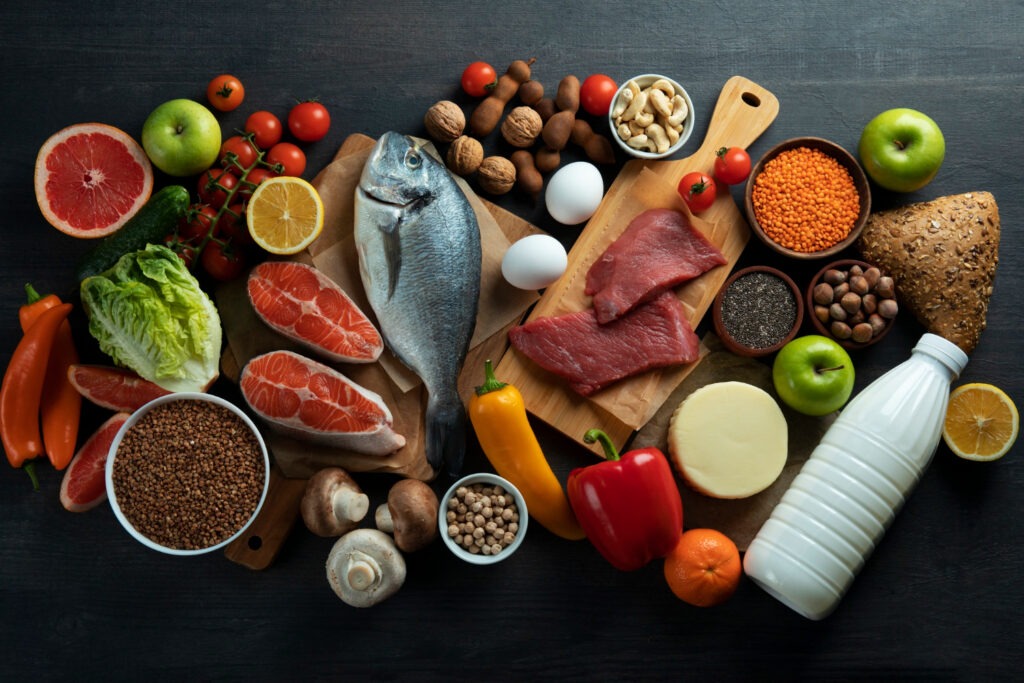
Do you feel lost among contradictory nutrition advice? The food pyramid sorts foods into seven levels, from water and vegetables (the base), which you can have freely, up to fatty or sugary foods (the top), which are kept for special occasions. This visual tool, in line with the recommendations of the PNNS (the French national nutrition and health programme: 5 fruit and vegetables a day, wholegrain cereals preferred), adapts to vegetarian or Mediterranean diets. It even includes physical activity as an invisible pillar, giving you practical benchmarks to turn theory into balanced meals, with simple swaps such as replacing white rice with quinoa or varying your sources of protein, for a healthy, personalised diet.
👉 Free tool: Calorie needs: calculate them in 30 seconds, no sign-up needed.
- What is the food pyramid? A visual tool for eating a balanced diet
- How do you apply the pyramid’s principles day to day?
- The evolution of the food pyramid: a model that adapts
- Adapting the food pyramid to France and to your needs
- The food pyramid, a benchmark that is still relevant today
What is the food pyramid? A visual tool for eating a balanced diet
Definition and main purpose
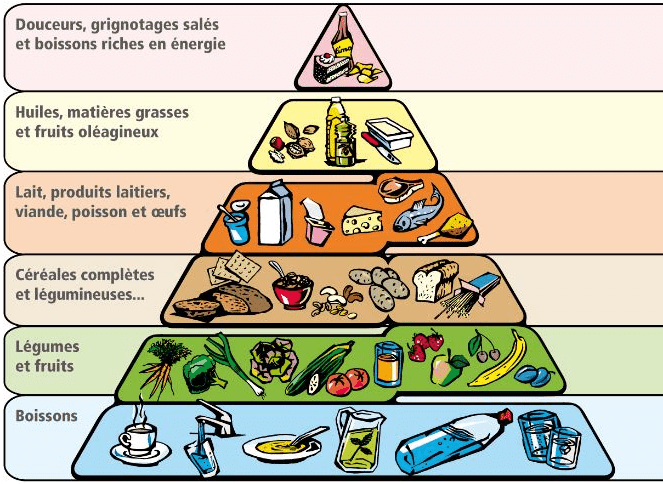
The food pyramid is a visual guide designed to simplify nutritional recommendations. It helps you build a balanced diet by sorting food categories according to recommended proportions. Each level represents a specific food group, with an amount to favour or limit depending on its position.
The principle is simple: the foods at the base of the pyramid are the ones to favour every day, while those at the top are for occasional consumption in small amounts.
How do you read and interpret the pyramid?
The hierarchical structure sets how often you should eat each group. The wide base includes wholegrain cereals, fruit and vegetables, to be eaten daily. The middle levels group protein foods and dairy products, recommended 1 to 3 times a day. The narrow top covers fats and sweets, which should be strictly limited. This model, adaptable to individual needs (age, physical activity), remains a simple educational tool, despite developments such as the inclusion of exercise in some modern versions.
The structure of the food pyramid in detail, level by level
| Level | Food group | Main role | Consumption recommendations |
|---|---|---|---|
| Base | Drinks | Hydration | As much as you like throughout the day |
| Level 2 | Fruit and Vegetables | Source of vitamins, minerals and fibre | At least 5 portions a day, at every meal |
| Level 3 | Cereals and Starchy foods | Main source of energy | At every meal, choosing wholegrain versions where possible |
| Level 4 | Protein | Building and repairing tissues | 1 to 2 times a day, varying the sources |
| Level 5 | Dairy Products | Source of calcium and protein | 2 to 3 times a day |
| Level 6 | Added Fats | Source of energy and fat-soluble vitamins | Limit and vary (vegetable oils) |
| Top | Sugary, fatty and salty foods | Enjoyment, not essential | Occasionally and in small amounts |
The food pyramid offers a hierarchical model for a balanced diet. Foods at the base, such as water, can be consumed freely, while those at the top should be eaten in limited amounts. This guide can be adapted to individual needs (age, physical activity).
Unsweetened drinks (water, tea, herbal teas) are essential for hydration. They avoid empty calories and support the body’s functions.
Fruit and vegetables, rich in vitamins and fibre, help prevent deficiencies. Five portions a day, at every meal, improve gut and immune health.
Wholegrain cereals and starchy foods provide steady carbohydrate for energy. Their variety (rice, wholewheat pasta) maximises fibre and nutrients.
Protein foods (lean meat, fish, pulses) strengthen tissues. Eating a varied selection once or twice a day helps prevent deficiencies.
Dairy products, sources of calcium, are recommended 2 to 3 times a day. Fortified plant-based alternatives suit specific diets.
Fats (vegetable oils, walnuts), to be used in moderation, enable the absorption of vitamins. Their balance with other nutrients is crucial.
Sugary and salty foods, at the top, are to be eaten in moderation, alongside physical activity. This model remains relevant despite updates, for a personalised diet.
How do you apply the pyramid’s principles day to day?
The importance of how often you eat each group
To build the food pyramid into your routine, focus on frequency rather than quantities. This simplified model guides you towards an achievable balance. Here are the key benchmarks:
- Drink water freely: stay hydrated regularly to prevent dehydration. Essential for the body’s functions, swap sugary drinks for still water or water with lemon.
- 5 fruit and vegetables a day: vary the colours (red, green, orange) and textures (raw, cooked, juiced) to prevent deficiencies and keep your taste buds interested.
- Wholegrain starchy foods at every meal: quinoa, brown rice or wholewheat pasta for lasting energy, rich in fibre and nutrients.
- 1 to 2 portions of protein: alternate lean meats (chicken, turkey), oily fish (salmon, sardines), eggs or pulses (lentils, chickpeas) for nutritional variety.
- 2 to 3 dairy products: choose plain yoghurt or fortified alternatives if needed, for calcium and easy digestion.
Don’t forget physical activity, the invisible foundation
The modern pyramid includes physical activity as an essential pillar. 30 minutes of brisk walking, 5 days a week, is enough to:
- Strengthen the heart and improve blood circulation, reducing cardiovascular risk.
- Boost wellbeing thanks to endorphins, with a noticeable stress-relieving effect outdoors.
- Combine it with simple habits: park your car further away, take the stairs or build active breaks into your working day.
By combining these principles, you adapt the pyramid to your own lifestyle. Flexible, it adjusts to your needs (age, activity) and encourages simple choices, such as replacing a processed snack with a piece of fresh fruit. It is an evolving tool, to be personalised to your goals and constraints, while staying true to its basic principles: balance, moderation and regular activity.
The evolution of the food pyramid: a model that adapts
Despite its simplicity, the food pyramid reflects a dynamic approach to nutrition. Its history, its variants and the debates around its structure show that it adjusts to the changing needs of society.
From Swedish origins to modern versions
In 1972, Sweden introduced the first food pyramid, a visual guide organised into levels. The US Department of Agriculture (USDA) adopted it in 1992, placing cereals at the base and fats at the top. In 2005, a colour-coded version included oils and separated out the protein foods. In 2011, MyPlate replaced the pyramid in the United States, offering a balanced plate as a more intuitive symbol. This evolution reflects adaptation to new research and a drive for simplicity.
Pyramids for specific needs
The classic model serves as a foundation, but adaptations cater for a range of diets. The Mediterranean pyramid favours vegetables, olive oil and fish, and also includes physical activity. The vegetarian version highlights pulses and nuts as protein sources, and includes calcium-rich foods to replace dairy products. These variants show a flexible concept, adjusting to individual preferences or constraints.
Criticisms and debates around the model
Despite its usefulness, the pyramid has its critics. Some consider cereals overvalued, at odds with « low-carb » diets. These debates highlight the complexity of nutritional recommendations, which are shaped by changing evidence. Even so, these controversies reinforce its role as an educational tool that keeps moving, not an unchanging truth.
Nutrition is a constantly evolving science. The food pyramid has therefore adapted over time to take in new knowledge and social issues.
Adapting the food pyramid to France and to your needs
The pyramid and the PNNS guidelines in France
The PNNS (France’s national nutrition and health programme) and the food pyramid both aim for a balanced diet. The 9 PNNS guidelines correspond to the levels of the pyramid, prioritising everyday foods and limiting the others.
- 5 fruit and vegetables a day: Choose a variety of vegetables and fruit for fibre and vitamins.
- Pulses: Lentils and chickpeas complement animal protein.
- Wholegrain cereals: Wholegrain rice and bread for fullness and fibre.
- 2 dairy products a day: For calcium and bone health.
- Limited red meat: 500g a week, alternating with fish or plant-based options.
- Vegetable oils: Olive or rapeseed oil in moderate amounts.
- Fewer sweets: Avoid fizzy drinks and sugary snacks.
- Less salt: Use spices and herbs instead.
- Water freely: Hydration without sugar or alcohol.
How do you create your own personalised food pyramid?
Adapt the pyramid to your profile in 4 simple steps, following the principles of the PNNS.
- Assess your meals: Note down your choices over a day to spot the gaps.
- Compare with the model: Spot what is missing (e.g. vegetables) or what you have too much of (e.g. sweets).
- Set goals: Replace a sugary snack with a piece of fruit or add vegetables to your dishes.
- Adapt to your needs: Athletes: more starchy foods. Vegetarians: pulses. Older adults: calcium.
The 2025 version includes local and sustainable produce to combine health and ecology.
The food pyramid, a benchmark that is still relevant today
More than a diet, the food pyramid is a nutritional compass. It offers clear benchmarks for steering towards a healthier, more balanced diet day to day.
Its visual simplicity makes it a tool anyone can use. By organising foods into levels, it lets you see your priority choices at a glance: favour the foods at the base (water, fruit, vegetables), include the foods in the middle in moderate amounts (cereals, protein) and limit those at the top (fatty and sugary products).
Flexible and adaptable, the pyramid adjusts to individual needs. Children, adults and athletes can all use it by changing the proportions, without losing its essence: to guide, never to impose.
Modern versions, such as the Flemish food triangle or balanced-plate models, show how it has evolved. These adaptations take in the latest scientific findings, environmental concerns and current eating habits, proving its ability to stay relevant.
Combined with regular physical activity, it becomes a pillar of preventive health. Its educational value, recognised by the WHO, makes it an ally for generations, combining tradition and innovation in a constantly changing world.
The food pyramid remains an essential teaching tool for a balanced diet, combining simplicity and adaptability. By adjusting to individual needs and to local recommendations such as those of the PNNS, it offers clear benchmarks for getting the right amounts of fruit, vegetables, cereals and protein. Despite changes in nutritional science, its hierarchical structure continues to guide people towards healthy, sustainable choices.
FAQ
How do you build a balanced food pyramid?
To create a food pyramid suited to your needs, start by placing the basic items at the base of the model: water, unsweetened tea and herbal teas (to be drunk freely). Then move up through fruit and vegetables (5 portions a day), wholegrain cereals (bread, pasta, rice and potatoes at every meal), protein foods (meat, fish, eggs and pulses 1 to 2 times a day), then dairy products (2 to 3 times a day). Limit added fats and put fatty, sugary or salty foods at the top for occasional consumption.
Adapt the structure to your preferences or constraints (vegetarianism, intolerances) by varying your sources of energy and building in benchmarks such as daily physical activity, the invisible foundation of balance.
What are the 7 essential food groups?
The seven main groups of the food pyramid are:
1. Unsweetened drinks (water, tea, herbal teas), to be drunk freely for hydration.
2. Fruit and vegetables, to be eaten at 400-800g a day (that is, 5 portions) for their vitamins and fibre.
3. Cereals and starchy foods (bread, pasta, rice, potatoes), the main source of energy at every meal.
4. Protein foods (meat, fish, eggs, pulses), 1 to 2 portions a day for cell regeneration.
5. Dairy products, 2 to 3 times a day for calcium and protein.
6. Added fats (oils, butter), to be used in moderation, varying the plant-based sources.
7. Sugary and salty foods (fizzy drinks, snacks, pastries), kept for exceptional occasions.
What are the 9 guidelines for a successful balanced diet?
- The 9 guidelines of the Programme National Nutrition Santé (PNNS) include:
- Eat 5 fruit and vegetables a day for a wealth of micronutrients.
- Include pulses (lentils, beans) regularly for plant protein.
- Choose wholegrain cereal products for more fibre.
- Limit red meat to 500g a week and vary it with fish and eggs.
- Favour dairy products (2 to 3 times a day) for calcium.
- Keep fats under control by favouring vegetable oils.
- Cut down on sugary products and salt to reduce cardiovascular risk.
- Do 30 minutes of physical activity a day to support balance.
- Stay well hydrated by drinking water freely.
Which food combinations support a balanced diet?
Good combinations rely on food groups complementing each other. Start with a base of wholegrain cereals (brown rice, wholemeal bread) for lasting energy. Add colourful vegetables (carrots, spinach) for fibre and antioxidants. Include lean protein (chicken, salmon, lentils) and a dairy product for calcium. Avoid piling up several foods from the top of the pyramid (e.g. chips and ice cream) in the same meal. For a snack, choose a piece of fruit with a handful of nuts rather than a processed snack. Balance comes from variety at every meal and moderation with fatty or sugary foods.
How do you easily create a personalised food pyramid?
Follow these steps to adapt the model to your daily life:
1. Assess your habits: Note down your typical meals over a week to spot excesses or shortfalls.
2. Compare with the recommendations: Identify the groups you eat too little of (e.g. vegetables) or too much of (e.g. meat).
3. Set simple goals: For example, replace a sugary snack with plain yoghurt and fruit.
4. Adapt to your needs: An active person will need more starchy foods, while a vegetarian will favour pulses and plant proteins.
What does the modern food pyramid consist of?
- The current pyramid is built around 7 hierarchical levels:
- Base: Unsweetened drinks (water, tea) for optimal hydration.
- Level 2: Raw or cooked fruit and vegetables, rich in vitamins.
- Level 3: Wholegrain cereals (quinoa, oats) and starchy foods for energy.
- Level 4: A variety of protein sources (lean meat, fish, pulses).
- Level 5: Dairy products for bone health.
- Level 6: Added fats in moderate amounts (olive oil, avocado).
- Top: Treat foods (chocolate, crisps) to be eaten sparingly.
How do you sort foods into groups in the pyramid?
The classification follows their nutritional role and ideal frequency of consumption. Unsweetened drinks (water, herbal infusions) form the base for hydration. Fruit and vegetables (vitamins, fibre) take the next level. Wholegrain cereals (complex carbohydrate) and protein foods (muscle building) come next. Dairy products (calcium) and plant-based fats (omega-3) sit in between. Processed foods (salt, sugar, saturated fat) are relegated to the top for occasional consumption.
Is pasta a starchy food?
Yes, pasta is a starchy food, just like rice, bread or potatoes. It provides complex carbohydrate, a source of lasting energy. Choose wholegrain versions (wholewheat pasta) for their fibre content, which slows the absorption of sugars. A balanced portion is about 80-100g dry (or 180-200g cooked) for an adult, to be paired with vegetables and a light protein.
What are the 7 groups needed for a balanced diet?
The seven pillars of a healthy diet are:
1. Hydration: Water and unsweetened drinks, freely.
2. Vitamins and minerals: Fruit and vegetables (5 portions a day).
3. Lasting energy: Wholegrain cereals and starchy foods at every meal.
4. Cell building: A variety of protein foods (meat, fish, eggs, pulses).
5. Bone health: Dairy products 2 to 3 times a day.
6. Cell lubrication: Plant-based fats in moderate amounts.
7. Keeping the enjoyment: Sugary or fatty foods occasionally, without excess.
Read also
Food guides: Pasta, Egg, Lentils, Tea, Quinoa, Herbal tea
Recipes to try: Salmon and leek quiche, Light leek tart, Baked vegetable börek