Superfoods: the marketing term and its key foods

Are you lost in the jungle of superfoods, those exotic foods whose benefits are sometimes overstated? Between marketing claims and nutritional reality, how do you avoid the traps? Find out why these ultra-dense foods (vitamins, antioxidants, omega-3) fascinate us, even though the European Union has regulated them since 2007. Explore their place in a balanced diet through spirulina (protein, iron) or chia seeds (omega-3, fibre), without treating them as miracle solutions. Some, such as acerola or turmeric, have real strengths, but the real secret is variety and local alternatives such as blueberries.
👉 Free tool: Calorie needs – work it out in 30 seconds, no sign-up.
- What is a superfood? The definition behind the marketing
- The real benefits of superfoods: the key role of nutrients
- An overview of the most popular superfoods
- Which superfoods should you choose for specific goals?
- How do you choose and use superfoods day to day?
- Superfood or healthy diet: what should you remember?
What is a superfood? The definition behind the marketing
Açaí, spirulina, chia seeds… Do these names ring a bell? The term superfood refers to a natural food (fruit, vegetable, seed, seaweed…) seen as exceptionally rich in nutrients. Vitamins, minerals, antioxidants: these foods are prized for their supposed health benefits. Kale, chia seeds and matcha are emblematic examples. Their success rests on a simple idea: eating a single food could make up for an unbalanced diet, an appealing message for anyone who likes nutrition kept simple.
But behind the enthusiasm lies a less flattering reality. The marketing term “superfood” has no recognised scientific or legal definition. Cancer Research UK even describes it as “a marketing tool with little scientific basis”. No official body validates the category, and dietitians carefully avoid it. That is no accident: the concept’s success rests on promises that are sometimes far removed from the hard evidence. For example, the ORAC index (which measures antioxidant activity), often cited to promote these foods, is not recognised in Europe. What is more, the benefits claimed in the laboratory do not always translate to humans, as with turmeric, whose anti-cancer properties remain to be proven in this context.
The European Union has also taken firm measures. Since 2007, marketing products under the name “superfoods” has been prohibited without solid scientific evidence. This regulation protects consumers from exaggerated claims by requiring validated studies before any health claim is made. The European Food Information Council points out that essential nutrients are found in ordinary foods. Even blueberries, often cited, have moderate levels of nutrients compared with others. Finally, the popularity of exotic superfoods brings risks: pesticide contamination (as with goji berries), side effects (spirulina and the risk of lung cancer in smokers) or a high carbon footprint from transport. While these foods remain popular, eating them should go hand in hand with a critical eye and a balanced diet, without falling into the traps of sometimes unscrupulous marketing.
The real benefits of superfoods: the key role of nutrients
Behind the media buzz, some foods do have an exceptional nutrient density. Chia seeds, kale and spirulina contain impressive amounts of vitamins, minerals, fibre and antioxidants. Spirulina, for example, contains up to 70% protein, while acerola provides 30 times more vitamin C than an orange. Although not “magic”, these foods provide valuable nutrients to support the body.
Antioxidants, found in abundance in these foods, play a crucial role against oxidative stress. This process, linked to free radicals produced by the body and the environment, speeds up cellular ageing. The polyphenols in green tea, the carotenoids in sweet potato and the anthocyanins in blueberries neutralise these harmful molecules. However, their effects are complementary: they “contribute to” cell protection, without replacing an overall healthy lifestyle.
The term “superfood” is above all a marketing tool. It is more useful to focus on a healthy, balanced diet to reduce the risk of disease.
Be careful not to fall for the “miracle” effect. The European Food Information Council (EUFIC) reminds us that these foods, although rich, should not become the basis of a diet. A varied plate, with fruit, vegetables, wholegrain cereals and lean protein, remains the best approach. Goji berries or matcha can liven up a diet, but they do not make up for too much sugar, salt or saturated fat.
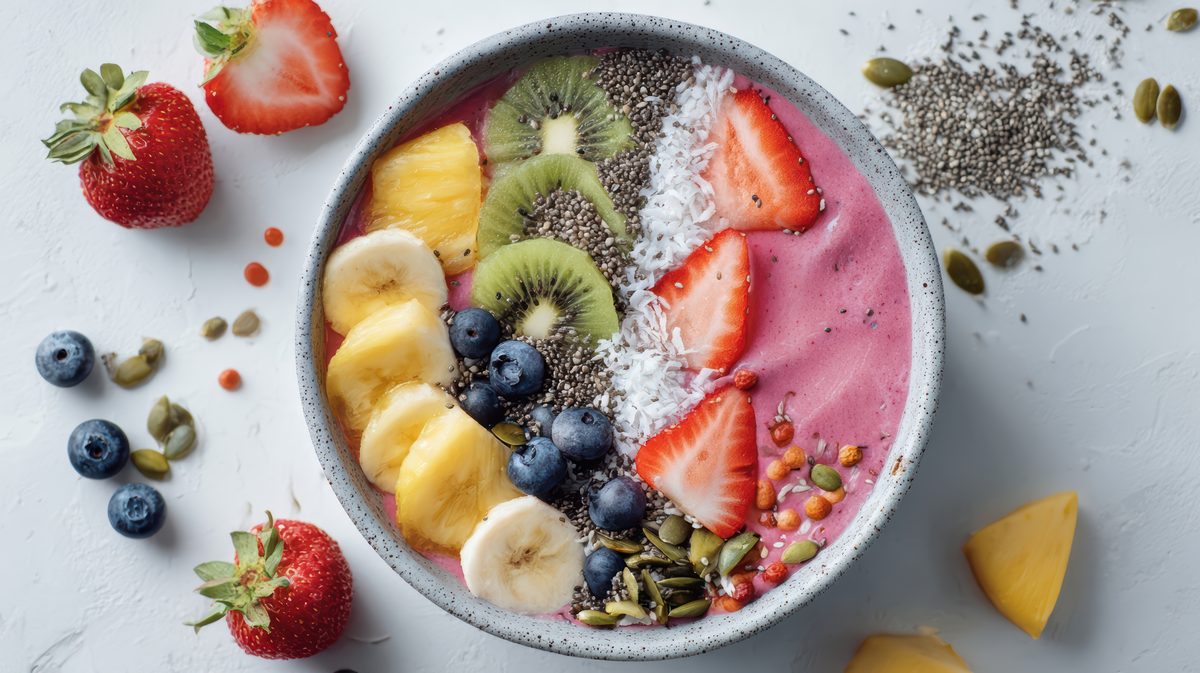
An overview of the most popular superfoods
To help you understand these foods, which are often promoted for their nutritional virtues, here is a comparison table of the best known. Each food has its strengths, but how well it works always depends on a balanced diet.
| Superfood | Category | Main nutrients | Associated benefits | Ways to eat it |
|---|---|---|---|---|
| Spirulina | Seaweed | Protein (60-70%), iron, phycocyanin (antioxidant) | Immune support, vitality, protein intake | As a powder in a smoothie or juice. Tablets (500 mg) with water, spread across the day. |
| Chia seeds | Seed | Soluble fibre, omega-3, calcium, iron | Promotes fullness, digestive transit and cardiovascular health | Soaked in plant-based milk for a pudding (30 minutes to set). Sprinkled over yoghurts or soups. |
| Turmeric | Spice | Curcumin (antioxidant). Greater bioavailability with black pepper | Anti-inflammatory, role in preventing chronic disease | As a powder in curries, soups or a golden milk (heat with plant-based milk and black pepper). |
| Goji berries | Fruit | Antioxidants, vitamins, iron, amino acids | Immune support, anti-fatigue. Used in Chinese medicine | Dried in muesli or yoghurt, or as an infusion. Eat in moderation (10 to 30 g a day). |
| Kale | Vegetable | Vitamins A, C and K, calcium, fibre, lutein for the eyes | Rich in micronutrients, low in calories. Protects cells and supports bone health. | Raw in a salad (massaged to soften the taste). As oven-baked crisps with olive oil and salt. |
| Flaxseed oil | Oil | Omega-3 (ALA), vitamin E, antioxidant lignans | Cardiovascular health, brain function. ALA lowers blood pressure. | Drizzled over a salad or vegetables (do not heat). As capsules (1 to 2 tablespoons a day). |
| Blueberry | Fruit | Antioxidants (anthocyanins), vitamins C and K | Eye health, circulation, antiseptic action. Improves microcirculation in the eye. | Fresh in yoghurt, frozen in a smoothie. Combine with healthy fats for better absorption. |
The foods mentioned here illustrate the range of options available. Super-vegetables and super-oils also have nutritional strengths. To include them without overdoing it, favour variety and a balanced approach.
Which superfoods should you choose for specific goals?
To promote fullness and weight loss
Foods rich in soluble fibre keep you full for longer by slowing digestion. Chia seeds, which can absorb 12 times their weight in water, form a gel in the stomach and curb appetite. Agar-agar, made from seaweed, works in the same way with few calories and can replace industrial gelling agents. Guarana, a source of natural caffeine, completes this trio by limiting cravings thanks to its moderate energising effects. For the best effect, work them into balanced meals: a chia and red berry smoothie or an agar-agar citrus jelly.
To boost iron intake and fight fatigue
Spirulina is exceptional, with 28.5 mg of iron per 100 g, which is well absorbed thanks to its nutrient profile. Goji berries, rich in iron, magnesium and antioxidants, support overall energy, while sesame seeds also provide calcium and zinc. For a better effect, combine them with vitamin C (such as acerola): this improves absorption of plant-based iron. However, spirulina is no substitute for medical advice if you have a confirmed deficiency or anaemia.
For an anti-inflammatory effect
Turmeric (curcumin) and ginger (gingerol) help counter chronic inflammation linked to stress or diet. Blueberries, rich in anthocyanins, protect cells from oxidative stress. To boost their effectiveness, combine them with anti-inflammatory meals: a lentil and ginger curry or a blueberry and quinoa smoothie. These combinations strengthen the action of the antioxidants.
For plant-based protein
Spirulina (60-70% protein) is ideal for athletes, with a complete amino acid profile. Hemp seeds (25 g/100 g) also provide omega-3 for cardiovascular health. Pumpkin seeds (19%) support the immune system thanks to their zinc and magnesium. Quinoa (14 g/100 g) contains all the essential amino acids and fibre for smooth digestion. Work them into simple dishes such as a quinoa and avocado bowl or hummus with hemp seeds.
They help meet protein needs when combined with pulses, such as a lentil salad or blueberry falafels for a balanced intake.
How do you choose and use superfoods day to day?
Why pay a lot for exotic foods when cheaper, more sustainable local alternatives offer comparable benefits? Superfoods such as chia seeds or kale are often praised for their virtues, but their cost and environmental footprint deserve some thought. Here is how to include them without emptying your wallet or harming the environment.
Favour affordable, sustainable choices
Exotic superfoods bring costs linked to transport and processing. Favour local options: flaxseeds beat chia seeds for omega-3 (54% against 34%). Blueberries or blackcurrants rival goji berries for antioxidants, without the emissions from importing. Parsley, rich in vitamin C, is a good replacement for kale, whose cultivation emits more CO₂. Millet, a gluten-free cereal, is an alternative to quinoa with a lower glycaemic index.
Practical ideas for everyday use
Small amounts are enough to enrich your diet:
- In drinks: A spoonful of spirulina boosts a smoothie. Spinach, rich in iron, works well in green juices.
- As a topping: Sprinkle flaxseeds or sesame seeds over salads or yoghurts for a mineral boost. Pumpkin seeds add a nutritious crunch to soups.
- For breakfast: Make a chia seed pudding or a blueberry porridge. French-grown quinoa is a good replacement for South American quinoa, with a lower carbon footprint.
- In cooking: Swap your usual oil for raw flaxseed oil, rich in omega-3, or add turmeric to soups for its anti-inflammatory properties.
Moderation, the key to a balanced intake
Favour a varied, local and seasonal diet, the real key to wellbeing.
Even the richest foods should be eaten sparingly. Eating too many goji berries can cause digestive problems. Superfoods complement a balanced diet and are not a miracle solution. Using them sensibly, together with eco-friendly choices, protects both your health and the environment.
Superfood or healthy diet: what should you remember?
The term superfood crystallises expectations that scientific reality often disappoints. Behind its appeal, this commercial concept has no medical validation. Foods such as kale, chia seeds and matcha are rich in nutrients, but none makes up for an unbalanced diet or a persistently sedentary life. Even citrus fruit, spinach or nuts offer comparable benefits without a “super” label.
The real promise lies in a varied, balanced and colourful diet. Nutrients work in synergy: a fruit rich in vitamin C combined with green vegetables maximises the benefits. The PNNS (the French national nutrition and health programme) encourages combinations such as spinach and red pepper for better absorption. Superfoods can complement a healthy diet, but 5 portions of fruit and vegetables a day, together with other food groups, are enough to cover essential needs.
- The term superfood is a marketing invention with no scientific basis.
- No single food makes up for a poor lifestyle or an unbalanced diet.
- The key is a varied, balanced diet, rich in fresh, minimally processed foods.
- Since 2007, the EU has banned the “superfoods” label for lack of evidence.
The term “superfood” is a non-scientific marketing concept. Although some foods are rich in nutrients, none is miraculous. Health rests on a varied, balanced and minimally processed diet. A single food does not make up for poor habits. Prioritise variety and quality.
FAQ
What are superfoods?
Superfoods are natural foods that are exceptionally rich in nutrients (vitamins, minerals, antioxidants…) and good for your health. Although the term is widely used in marketing, it has no official scientific definition. They mainly include fruit (açaí, blueberries), vegetables (kale, beetroot), seeds (chia, flax), spices (turmeric), seaweed (spirulina) and oils (flaxseed, olive). What do they have in common? A high nutrient density, but how well they work always depends on the overall balance of your diet.
What are the 10 best foods for health?
Among the best known:
- Spirulina: Protein (60-70%), iron, phycocyanin (antioxidant).
- Chia seeds: Omega-3, fibre, calcium.
- Turmeric: Curcumin (anti-inflammatory).
- Goji berries: Antioxidants, vitamins.
- Kale: Vitamin C, calcium, fibre.
- Flaxseed oil: Omega-3 (good for the heart and brain).
- Blueberries: Anthocyanins (anti-ageing, circulation).
- Beetroot: Betaine (antioxidant), iron.
- Flaxseeds: Omega-3, lignans (anti-cancer).
- Asparagus: Antioxidants, tryptophan (mood).
These foods, although rich, should be eaten as part of a varied diet.
What are the 5 foods you must not eat to lose weight?
No food is forbidden. However, the recommendations from Santé publique France, repeated on Manger Bouger, ask you to limit five groups, because they provide a lot of energy for few nutrients or are linked to a health risk:
- Sugary drinks: fizzy drinks, fruit juice, squashes and syrups; no more than one glass a day.
- Fatty, sugary, salty and ultra-processed products: biscuits, pastries, crisps, ready meals.
- Processed meats: no more than 150 g a week.
- Meat other than poultry: no more than 500 g a week.
- Alcohol: no more than 10 drinks a week, and not every day.
Conversely, foods sold as “appetite suppressants” or “fat burners” have not been shown to work for weight loss. Cinnamon is a good example: a meta-analysis of 10 trials in people with type 2 diabetes measured a drop in fasting blood glucose, but no effect on glycated haemoglobin; it measured neither cravings nor weight. Guarana works through its caffeine. What makes you lose weight is still an intake lower than your expenditure, as described in our guide to the calorie deficit.
What is the best superfood?
The “best” depends on your needs, but spirulina is often cited. It contains 60-70% plant protein, iron, magnesium and phycocyanin (an antioxidant). It supports immunity and vitality and suits vegetarians. However, no food is a miracle: how well it works depends on an overall healthy diet.
What is a superfood?
A superfood is a nutrient-dense food (vitamins, minerals, antioxidants) associated with health benefits. The term is marketing, not scientific. Since 2007, the European Union has banned its use without solid evidence. Examples include local foods (spinach) or exotic ones (açaí), but their value lies in their synergy with other foods, not in eating them in isolation.
What are the 7 types of food?
They fall into categories:
- Super-fruits (blueberries, goji)
- Super-vegetables (kale, beetroot)
- Seeds (chia, flax)
- Spices (turmeric, ginger)
- Seaweed (spirulina)
- Oils (flaxseed, olive)
- Plants (nettle, guarana)
Each type provides specific nutrients (protein, fibre, antioxidants) and should be eaten alongside a varied diet.
What is the miracle food?
There is no such thing as a miracle food. Superfoods strengthen health but cannot cure on their own. For example, spirulina boosts energy thanks to its protein, and turmeric reduces inflammation, but how well they work depends on your overall lifestyle (diet, physical activity). Choose a balanced approach rather than betting on a single product.
Which food should you eat every day?
No food is essential every day, but some are easy to include:
- Spinach: Vitamin K, iron, fibre.
- Lentils: Protein, iron, folate.
- Garlic: Antioxidants, cardiovascular support.
- Blueberries: Antioxidants, eye health.
- Sunflower seeds: Magnesium, vitamin E.
The key is variety and moderation, avoiding too many expensive superfoods at the expense of your overall diet.
What is the healthiest food in the world?
It is impossible to name just one, but spirulina is often cited for its density in protein (60-70%), iron and vitamins. Blueberries stand out for their antioxidants, and lentils for their plant-based iron. However, optimal health rests on a diverse diet (fruit, vegetables, wholegrain cereals) rather than on a single “champion”.
Read also
Food pages: Blueberry, Chia seeds, Quinoa, Spinach, Ginger, Lentils
Recipes to try: Protein blueberry porridge, Quinoa and fruit porridge, Quinoa, chickpea and roasted vegetable buddha bowl


