Group · Meat
Beef heart
Beef heart is a muscular offal with a firm texture and straightforward flavour, long prized in everyday cooking for its excellent value for money. Contrary to popular belief, it is a muscle rather than a gland, which gives it a nutritional profile close to that of a lean meat. With around 133 kcal per 100 g, nearly 23 g of protein and only 4.5 g of fat, it offers a remarkable protein intake for few calories. Rich in iron, zinc and B vitamins, beef heart naturally has a place in a balanced diet. It is cooked grilled, in a stew or sliced and pan-fried, to vary your animal protein sources.
Macronutrient breakdown
Nutrition table per 100 g
| Calories | 133 kcal |
| Kilojoules | 558 kJ |
| Protein | 23 g |
| Fat | 4,5 g |
Micronutrients per 100 g
All measured nutrients, ranked by share of the daily reference intake.
- Vitamin B1211,5 µg460 %
- Vitamin B21,21 mg86 %
- Copper0,56 mg56 %
- Iron6,7 mg48 %
- Vitamin B36,9 mg43 %
- Phosphorus254 mg36 %
- Vitamin B10,36 mg33 %
- Vitamin B60,33 mg24 %
See the other 12 nutrients
- Zinc2,3 mg23 %
- Vitamin B51,06 mg18 %
- Potassium219 mg11 %
- Magnesium21 mg6 %
- Vitamin B95 µg3 %
- Vitamin E0,29 mg2 %
- Iodine3 µg2 %
- Vitamin D0,1 µg2 %
- Manganese0,03 mg2 %
- Vitamin K10,5 µg1 %
- Calcium5 mg1 %
- Omega-3 ALA0,01 g1 %
Anses Ciqual 2025. Source: Anses, 2025, Ciqual food composition table
Tips
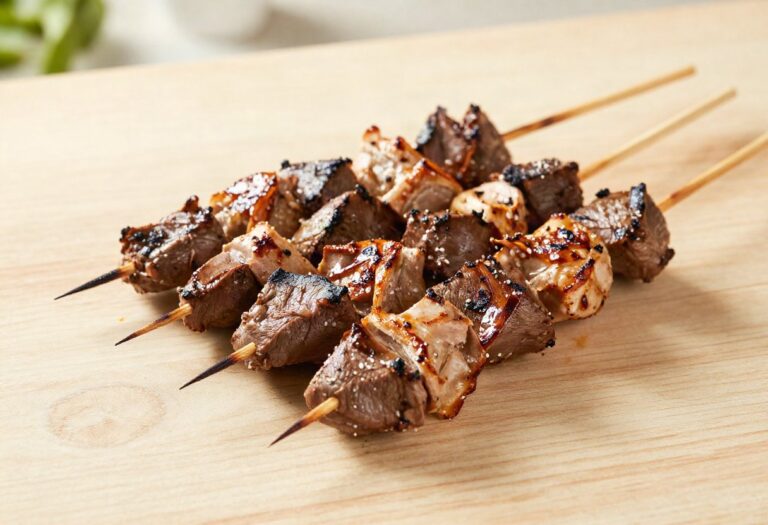
Beef heart needs careful preparation to bring out its tenderness. Start by trimming it, removing the vessels, fat and membranes. Sliced thinly across the fibres, it lends itself to quick, hot cooking in a pan or on skewers, like lamb skewers. Cut into pieces, it becomes wonderfully tender with long, slow cooking, in a stew or casserole with red wine, onions and carrots.
Nutrition facts and benefits: with 23 g of protein per 100 g, beef heart rivals the best sources of lean protein. Almost devoid of carbohydrate (0 g) and fibre, it has a glycaemic index of zero. Its moderate fat (4.5 g) makes it a lighter offal than many fatty cuts. It concentrates well-absorbed haem iron, zinc, phosphorus and B vitamins (notably B12), as well as coenzyme Q10.
- Recommended portion: 100 to 150 g per serving, once or twice a month to vary with other offal.
- Pairings: green vegetables, mashed potato or pulses for a complete meal.
- Cooking: either very quick and rare, or very long and tender. Intermediate temperatures toughen the meat.
- Storage: highly perishable, eat it within 24 to 48 hours, or freeze it quickly.
For active people: its density in protein and iron makes it an ally for muscle recovery and oxygen transport. It fits well into a bulking or cutting phase thanks to its low calorie content. As a complement to a protein-rich diet, you can explore other options in our protein snack ideas. To diversify your intake, alternate with lean minced beef or a more delicate calf heart.
Weight control: low in calories and sugar-free, beef heart suits a weight-loss plan well, as long as you watch the preparation methods. Avoid fatty sauces and deep-frying that weigh down the plate. Favour gentle cooking and vegetable side dishes. You can compare its figures with other foods in the meat family to adjust your meals to your goals.