Group · Vegetables
Carrot
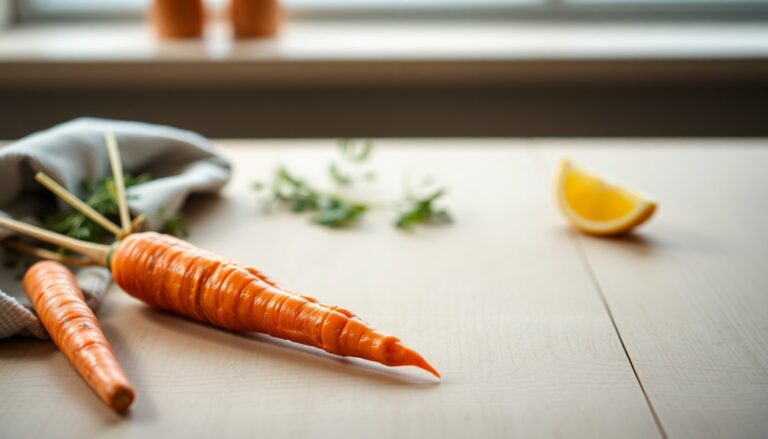
The carrot is one of the most commonly eaten root vegetables, and for good reason: its versatility in the kitchen is matched only by its natural sweetness. Usually orange, it also comes in yellow, white and purple varieties, and is available all year round, with new-season carrots at their most flavourful in spring. Raw, grated, cooked, juiced or mashed, it suits countless dishes. With only 29.6 kcal per 100 g, it stays light while providing fibre and useful compounds. Rich in beta-carotene, it fits easily into a balanced diet, whether you want to vary your vegetables or put together colourful, filling plates.
Macronutrient breakdown
Nutrition table per 100 g
| Calories | 30 kcal |
| Kilojoules | 124 kJ |
| Protein | 0,3 g |
| Carbohydrate | 5,8 g |
| Fat | 0,2 g |
| Fibre | 3,3 g |
Micronutrients per 100 g
All measured nutrients, ranked by share of the daily reference intake.
- Vitamin A725 µg91 %
- Copper0,09 mg9 %
- Potassium140 mg7 %
- Manganese0,14 mg7 %
- Vitamin E0,78 mg7 %
- Vitamin K12,76 µg4 %
- Vitamin B60,05 mg4 %
- Calcium28 mg4 %
- Vitamin B9dietary folate equivalents17,7 µg
See the other 9 nutrients
- Vitamin B50,2 mg3 %
- Magnesium9,4 mg3 %
- Phosphorus17 mg2 %
- Zinc0,22 mg2 %
- Vitamin B30,35 mg2 %
- Iron0,19 mg1 %
- Total omega-30,03 g1 %
- Vitamin B10,01 mg1 %
- Vitamin C0,52 mg1 %
Anses Ciqual 2025. Source: Anses, 2025, Ciqual food composition table
Tips
The carrot can be enjoyed in countless ways. Raw and grated, it keeps most of its vitamins; steamed or slow-cooked, it becomes tender and easier to digest. To best preserve its nutrients, choose gentle cooking rather than prolonged boiling. A tip: beta-carotene, the precursor of vitamin A, is better absorbed with a little fat, such as a drizzle of olive oil on your grated carrots.
In terms of nutrition facts, carrots contain around 5.73 g of carbohydrates and 3.3 g of fibre per 100 g. This fibre supports fullness and digestive comfort. Raw carrots are often said to have a moderate glycaemic index, which rises slightly after prolonged cooking: to limit this, cook them until just tender and still crunchy. They also provide potassium and vitamin K, in a low-calorie package that is welcome if you are watching your weight.
- Guide portion: 80 to 150 g, as sticks with drinks, grated as a starter or as a side dish.
- Pairings: carrots go well with other root vegetables such as parsnip or turnip in soups and pan-fries.
- Storage: somewhere cool, in the vegetable drawer, ideally with the green tops removed so they stay firm.
- Juice: as a juice, carrots concentrate their sugars; drink it in moderation if you are watching your calories.
For active people, the carrot is a gentle, easily digested source of carbohydrates, useful as a snack before moderate exercise, for example with a little houmous. After training, it rounds off a recovery plate alongside a source of protein and starchy foods. To find out more about balancing your intake around exercise, take a look at our fitness nutrition guidelines.
Among its often-cited benefits, its high beta-carotene content makes it a colourful vegetable valued in plant-rich approaches, as described in our feature on antioxidant foods. The carrot naturally belongs in the large vegetable family and deserves a generous place in your everyday meals.
Things to watch: low in calories, the carrot remains a great ally, but watch out for sweet preparations (sugar-glazed carrots, cakes) or juice drunk in large quantities, which quickly increase your sugar intake. Vary the ways you prepare it and the colours to get the most out of this vegetable.
Recipes with carrot
Voir les 131 recettes →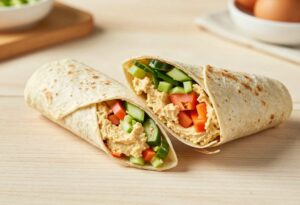
Vegetarian hummus and crunchy vegetable wrap
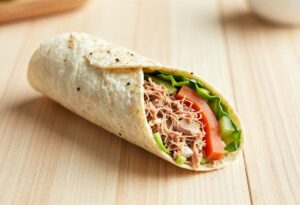
Tuna salad wrap
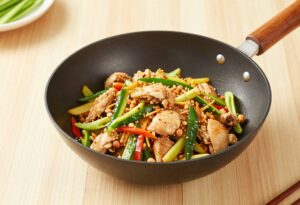
Chicken and crunchy vegetable stir-fry
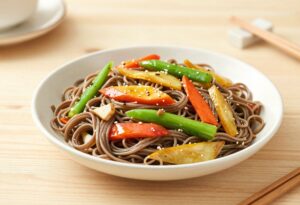
Vegetable and soba noodle stir-fry
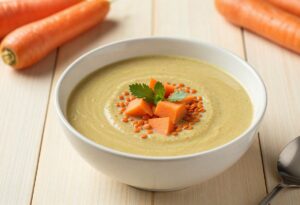
Carrot and red lentil soup
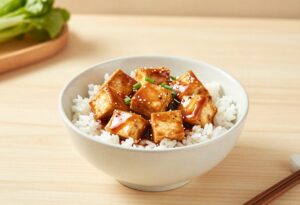
Tofu teriyaki bowl

Chicken tagine with vegetables
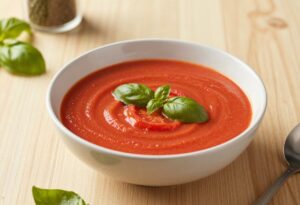
Tomato and basil soup
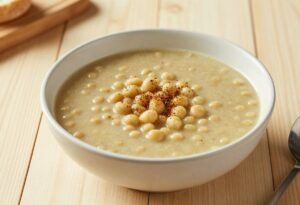
Split pea soup with cumin
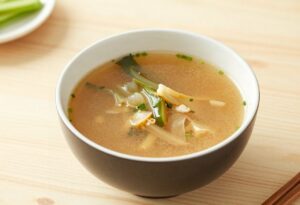
Miso soup with vegetables
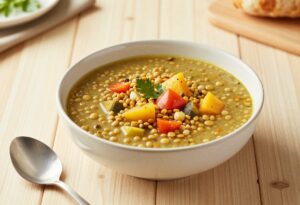
Lentil and vegetable soup
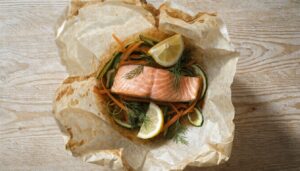
Salmon parcels with vegetables
Guides about carrot
Boosting your immunity through diet

Low FODMAP Diet: Easing Irritable Bowel Syndrome

DASH Diet: Lower Your Blood Pressure Through Food

Acid reflux and heartburn: what to eat

Gentle Cooking: Preserving Nutrients and Flavour
