Group · Starchy foods
Fish quenelle
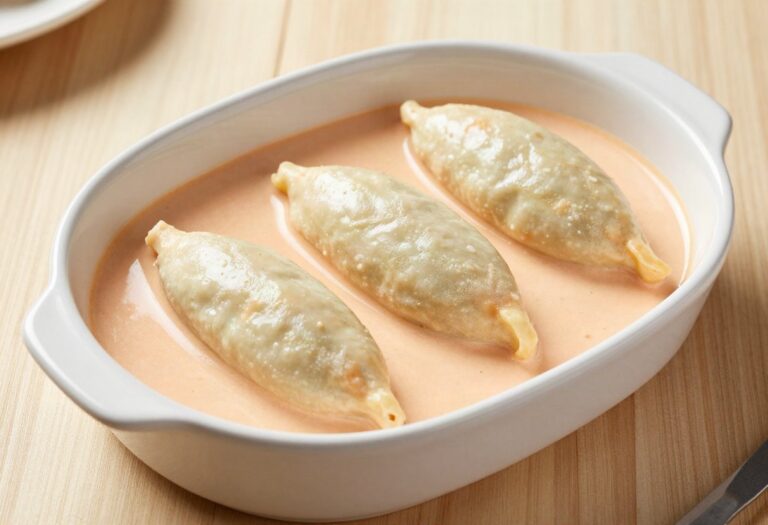
The fish quenelle, traditionally made with pike, is the oldest of the quenelles from Lyon. Fish flesh, panade and butter: the proportion of butter is generally higher than in the other versions.
In terms of nutrition facts, uncooked: 245 kcal per 100 g, with 12.7 g of fat of which 8.2 g saturated fatty acids, 23.6 g of carbohydrate and 8.1 g of protein. It provides 2.15 g of fibre per 100 g and contains 0.95 g of salt.
Macronutrient breakdown
Nutrition table per 100 g
| Calories | 245 kcal |
| Kilojoules | 1030 kJ |
| Protein | 8,1 g |
| Carbohydrate | 23,6 g |
| Fat | 12,7 g |
| Fibre | 2,2 g |
Micronutrients per 100 g
All measured nutrients, ranked by share of the daily reference intake.
- Omega-3 ALA0,25 g13 %
- Phosphorus71,1 mg10 %
- Copper0,09 mg9 %
- Zinc0,82 mg8 %
- Omega-6 LA0,79 g8 %
- Manganese0,13 mg7 %
- Iron0,84 mg6 %
- Potassium98,8 mg5 %
See the other 2 nutrients
- Calcium27,7 mg3 %
- Magnesium11,9 mg3 %
Anses Ciqual 2025. Source: Anses, 2025, Ciqual food composition table
Tips
8.2 g of saturated fatty acids: the highest of the quenelles. They come from the butter, not the fish, which contains almost none. This is worth knowing for a product you might think is light because it is from the sea.
245 kcal: the densest of the three. Compare 189 for a chicken quenelle. The fish does not lighten the preparation.
It does not provide the omega-3s of a fish. The proportion of fish flesh is low and pike is a lean fish: do not count this quenelle towards your weekly portions of fish.
Nantua sauce is traditional, and it is rich. Crayfish butter and cream: it can add as many calories as the quenelle itself. A saffron-flavoured broth is a sound alternative.
It contains fish, gluten and eggs. Three major allergens in a single product: worth flagging when cooking for others.