Group · Fish
Pink salmon
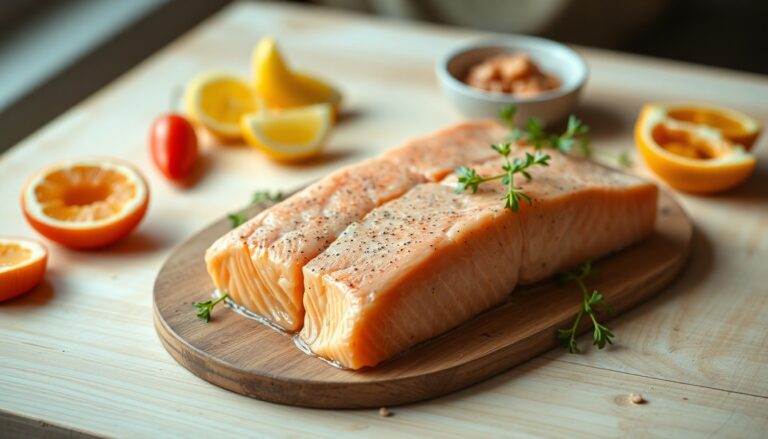
Pink salmon, sometimes called Pacific salmon, is one of the most widespread species of salmon. Its pale, tender flesh with a delicate taste is found fresh as well as tinned, where it offers an economical alternative to other salmon. With around 147 kcal per 100 g and an excellent nutritional profile, it fits easily into a balanced diet. Rich in protein (nearly 21.4 g per 100 g), low in carbohydrates and moderate in fat, it is among the oily fish valued for their omega-3 fatty acids. Versatile in the kitchen, pink salmon appeals to food lovers and to athletes who care about what they eat.
Macronutrient breakdown
Nutrition table per 100 g
| Calories | 147 kcal |
| Kilojoules | 616 kJ |
| Protein | 21,4 g |
| Fat | 6,8 g |
Micronutrients per 100 g
All measured nutrients, ranked by share of the daily reference intake.
- DHA0,74 g296 %
- Vitamin D9 µg180 %
- EPA0,41 g164 %
- Vitamin B123,42 µg137 %
- Total omega-31,15 g46 %
- Vitamin B37,02 mg44 %
- Vitamin B60,6 mg43 %
- Phosphorus277 mg40 %
See the other 15 nutrients
- Potassium437 mg22 %
- Vitamin B50,98 mg16 %
- Vitamin B20,13 mg9 %
- Vitamin B10,1 mg9 %
- Magnesium31 mg8 %
- Vitamin E0,73 mg6 %
- Vitamin A48 µg6 %
- Vitamin B911 µg6 %
- Copper0,05 mg5 %
- Zinc0,42 mg4 %
- Iron0,45 mg3 %
- Calcium24 mg3 %
- Vitamin C1,05 mg1 %
- Manganese0,01 mg1 %
- Vitamin K10,1 µg0 %
Anses Ciqual 2025. Source: Anses, 2025, Ciqual food composition table
Tips
Pink salmon lends itself to many preparations. Tinned, it is perfect for homemade rillettes, mixed salads, quiches or fish cakes. Fresh, you can bake it in a parcel, steam it or pan-fry it for a few minutes on each side. Choose gentle cooking to preserve its tender texture and precious fatty acids. A portion of 100 to 150 g suits a main meal.
In terms of nutritional values, pink salmon stands out for its richness in complete protein, its lack of carbohydrates and its omega-3 content. It also provides B vitamins, vitamin D and minerals such as selenium and phosphorus. The tinned version with bones supplies calcium. Its zero glycaemic index makes it an ally for filling meals without a sugar spike.
For active people, pink salmon is an excellent source of quality protein, useful for muscle recovery after exercise. Paired with wholegrain starchy foods and vegetables, it makes a complete post-workout meal. As a savoury snack or an evening dish, it helps you meet your protein needs. To vary your sources, you can also see our ideas for protein snacks and our guidelines on fitness nutrition.
- Storage: eat fresh salmon within 24 to 48 hours, kept well chilled. Tinned salmon keeps for a long time in the cupboard and goes in the fridge once opened.
- Pairings: lemon, dill, fromage blanc, avocado, brown rice, spinach or potatoes.
- When to eat it: ideal at lunch or dinner, light and easy to digest.
For weight control, pink salmon stays reasonable in calories thanks to its fat content, which is moderate compared with Atlantic salmon. Beware of the versions in oil, which are higher in calories: prefer salmon in brine or spring water, or drained. Also be wary of rich sauces that quickly weigh down the plate. To compare, you can explore classic salmon, tuna in brine or discover the whole fish family. Eaten once or twice a week, pink salmon contributes to a varied and tasty diet, beneficial both to those watching their weight and to athletes looking for protein.