Group · Starchy foods
Buckwheat (buckwheat flour)
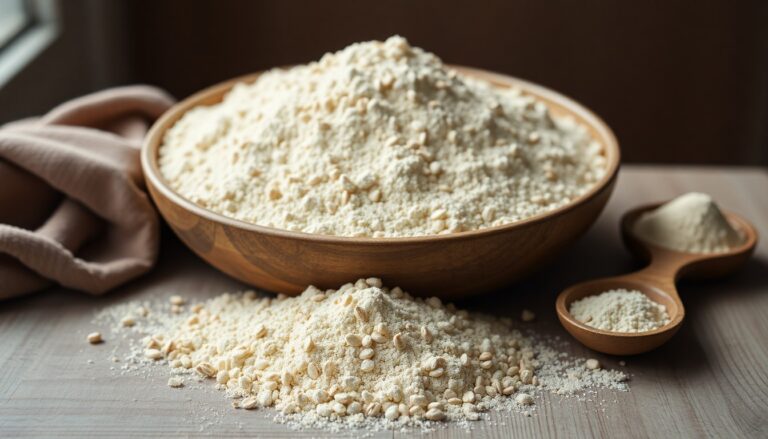
Buckwheat is not a cereal in the botanical sense but a pseudo-cereal, a cousin of rhubarb. It is eaten as hulled groats (kasha), as flour or as flakes. Buckwheat flour is the base of Breton galettes and of Japanese soba noodles. Naturally gluten-free, it fits easily into a varied, balanced diet. In terms of nutrition facts, it provides around 348 kcal per 100 g, with 11.5 g of protein, 68.4 g of carbohydrate and a useful amount of fibre. Prized for its good-quality plant protein and its rustic, slightly nutty taste, buckwheat appeals to food lovers and to active people looking for lasting energy.
Macronutrient breakdown
Nutrition table per 100 g
| Calories | 348 kcal |
| Kilojoules | 1470 kJ |
| Protein | 11,5 g |
| Carbohydrate | 68,4 g |
| Fat | 2,2 g |
| Fibre | 4,2 g |
Micronutrients per 100 g
All measured nutrients, ranked by share of the daily reference intake.
- Manganese1,3 mg65 %
- Copper0,5 mg50 %
- Phosphorus337 mg48 %
- Magnesium157 mg42 %
- Vitamin B10,42 mg38 %
- Vitamin B60,46 mg33 %
- Vitamin B34,75 mg30 %
- Potassium577 mg29 %
- Vitamin B9dietary folate equivalents66,8 µg
See the other 10 nutrients
- Vitamin B51,45 mg24 %
- Zinc2,3 mg23 %
- Iron2,5 mg18 %
- Vitamin B20,19 mg14 %
- Vitamin K17 µg9 %
- Selenium4,9 µg9 %
- Omega-6 LA0,78 g8 %
- Calcium23,8 mg3 %
- Vitamin E0,32 mg3 %
- Omega-3 ALA0,03 g2 %
Anses Ciqual 2025. Source: Anses, 2025, Ciqual food composition table
Tips
Buckwheat has many uses: as flour for pancakes and galettes, as groats in salads or pilafs, and as flakes at breakfast. A sensible portion is around 60 to 80 g raw, equivalent to a standard portion of starchy food. Its slightly crunchy texture and hazelnut-like taste go well with roasted vegetables, mushrooms or a fillet of fish.
Nutritionally, buckwheat provides plant protein containing the essential amino acids, including lysine, which is often scarce in cereals. Its complex carbohydrates and fibre make it a food with a moderate glycaemic index, releasing energy gradually. It also supplies magnesium, manganese, iron and antioxidants such as rutin. Being gluten-free, it suits people managing a gluten intolerance, as long as you check there is no cross-contamination.
To cook it, rinse the groats then simmer them for 10 to 15 minutes in twice their volume of water, or choose gentle cooking to preserve nutrients. You can also lightly dry-toast it to intensify its aroma. Store the flour somewhere dry and away from light, ideally in an airtight jar, because it oxidises faster than white flour.
- Breakfast: buckwheat flakes in porridge, or a pancake filled with egg and vegetables.
- Lunch: a salad of cooked groats with raw vegetables, herbs and olive oil.
- Dinner: kasha as a side, instead of white rice or quinoa.
For active people: buckwheat is an excellent ally. Before exercise, its slow-release carbohydrates provide steady fuel. After training, pair it with a source of protein to support muscle recovery. Its magnesium content supports neuromuscular function. It is a relevant option as part of nutrition for fitness or a gluten-free menu.
Weight control: dry buckwheat is still a calorie-dense starchy food, but its fibre and protein help you feel full. Watch your portions and limit the fat added to galettes. To compare its calories with other options, see the starchy foods family. As part of a balanced diet, buckwheat adds variety to your plate while delivering real benefits.