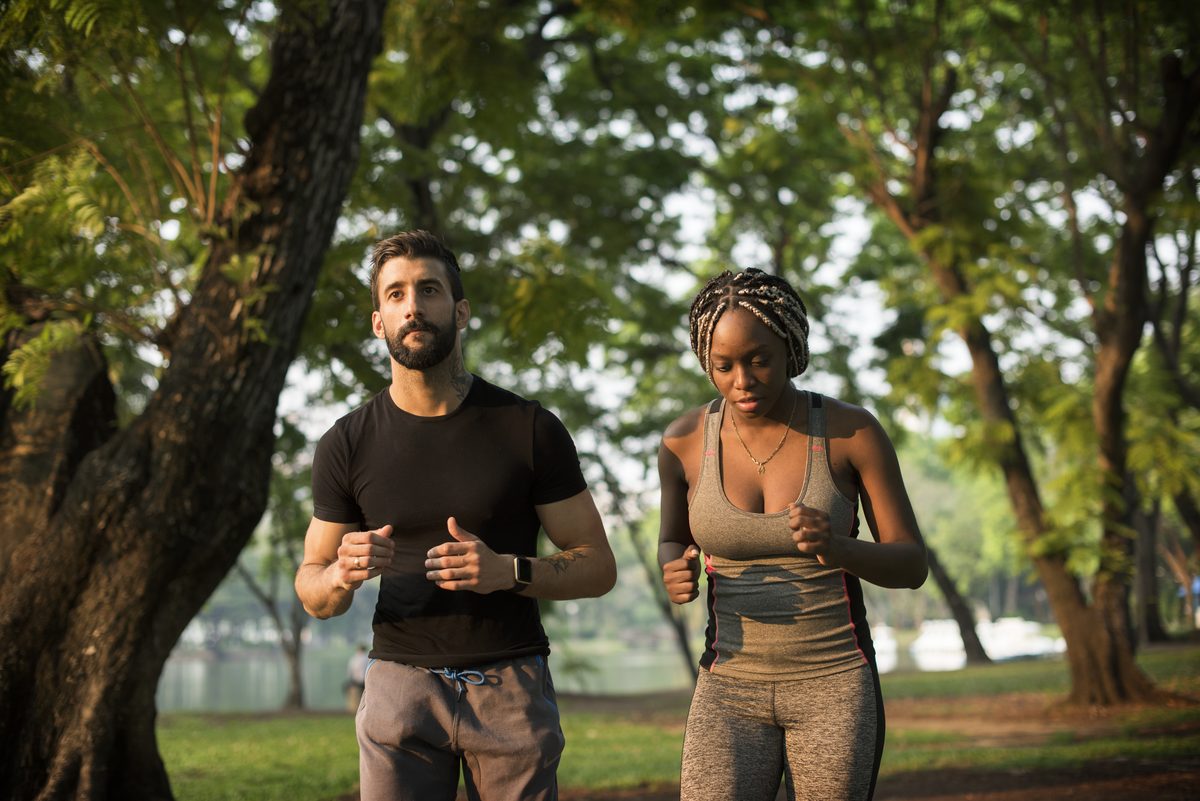
Health and nutrition are major issues that have always been at the heart of our society. Every year, the French government campaigns to encourage the population, and young people in particular, to adopt healthier living and eating habits.
Beyond nutrition, the emphasis is also on the importance of physical activity. Health authorities recommend at least 30 minutes of physical activity a day to stay healthy. With this in mind, the Grande Cause Nationale 2024 (a title the French government awards each year to a cause of national interest) focuses on tackling physical inactivity, with the aim of encouraging every citizen to build sport into their daily life. Combined with the Paris Olympic and Paralympic Games, this initiative aims to create national momentum around sport and physical activity, to improve quality of life and health for everyone in France.
Why 30 minutes a day?
According to WHO Europe and its physical activity strategy for 2016-2025, as well as the French national nutrition and health programme (PNNS), 30 minutes of daily activity is enough to stay healthy.
In addition to daily exercise, the PNNS-4 also encourages building physical activity into everyday life, such as taking the stairs instead of the lift or walking to work. These small changes can have a significant impact on overall health and help prevent chronic diseases.
Why be physically active?
A sedentary lifestyle is the 4th leading cause of death worldwide and the leading cause of avoidable death.
According to the WHO, a person who does not take regular physical activity increases their risk of death by 20 to 30% compared with someone who is sufficiently active.
If you would like more information on good habits to adopt day to day, you can visit the WHO website, which explains the physical activity recommendations for each age group.
This situation affects many countries, including France, where:
- 95% of the adult population is affected, through a lack of physical activity or sitting for too long.
- 66% of teenagers are in a worrying health situation, because of their heavy reliance on screens combined with a serious lack of activity.
- 8 in 10 young people (aged 11 to 17) fall below the 30-minute activity threshold recommended by the WHO
The Grande Cause Nationale 2024: a response to inactivity?
To fight this social scourge of physical inactivity (which causes 9% of deaths in France every year), the French government is on a crusade to promote physical activity and sport in 2024. Who started it? President Emmanuel Macron, who decided at the Olympic and Paralympic Council on 25 July 2022 to make the Grande Cause Nationale 2024 the very first one dedicated to promoting physical activity and sport.
As the government stresses, whether on foot or by bike, doing yoga or dancing, the important thing is to get moving!
As you will have gathered, the idea is to take advantage of the 2024 Olympic Games in Paris to encourage everyone to be active for 30 minutes every day, regardless of age or fitness level.
That is why the central message of this GCN 2024 is Bouge 30min chaque jour (« Move 30 minutes every day »)!
The pillars of GCN 2024
The Grande Cause Nationale 2024 has three main objectives:
- Encourage people in France of all ages and from all regions to do more physical activity and sport.
- Rally sports organisations and all the country’s key players to promote the importance of sport.
- Put sport at the heart of public policy, by encouraging cooperation between government ministries and strengthening the republican pact (the shared values underpinning French public life).
This Grande Cause Nationale 2024 will rest on 5 pillars essential to its success:
- The mobilisation of a group of public figures and 150 top-level athletes to promote, in particular, sport in schools
- The creation of a dedicated support fund run by the Agence nationale du Sport (the National Sports Agency)
- The development of a large-scale communication campaign
- A GCN2024 labelling scheme to showcase positive projects
- A 2024 calendar punctuated by sporting and social events
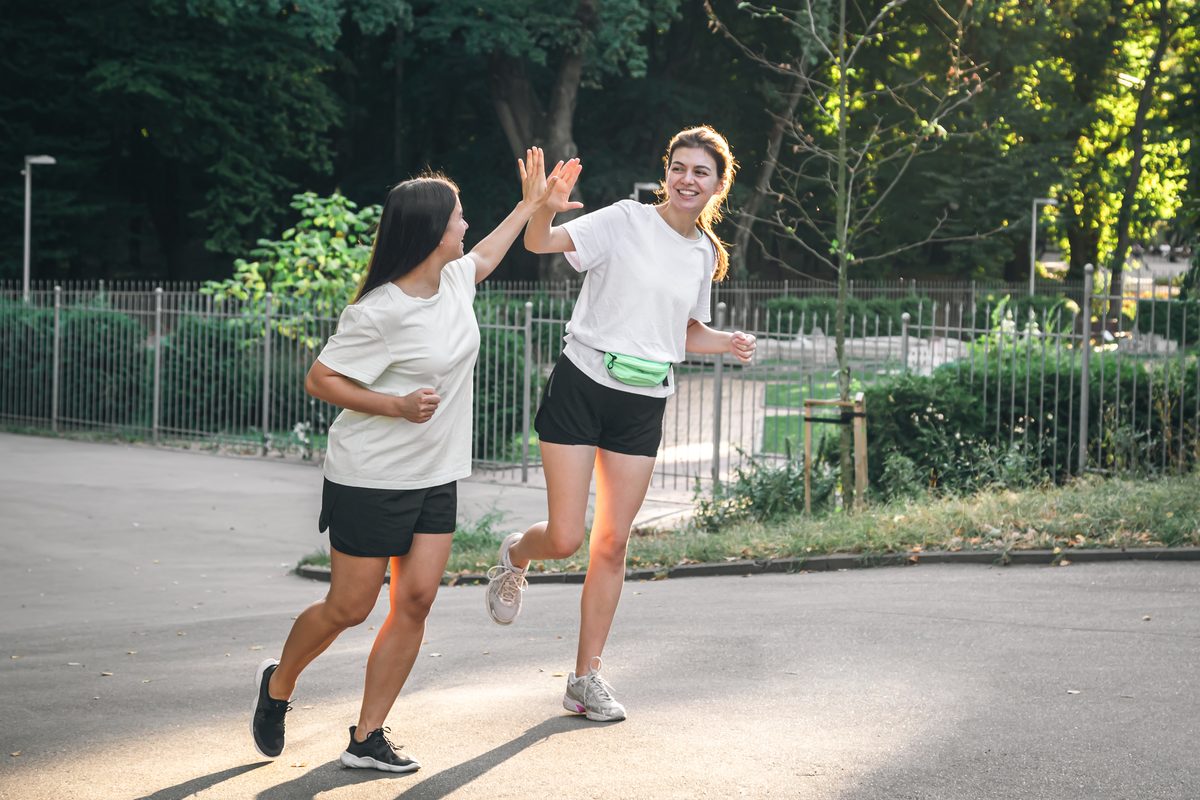
Changing the way people in France live, thanks to the GCN and the 2024 Games?
The mobilisation around the Grande Cause Nationale 2024, combined with the organisation of the 2024 Olympic and Paralympic Games in Paris, could have significant and varied effects on the habits and behaviour of adults and young people in France when it comes to sport and physical activity. Here are the main changes we might expect:
Changes in habits and behaviour
- More people playing sport:
- Adopting regularity: Awareness campaigns and sporting events inspired by the Games can encourage more people to build sport into their daily routine. The many sports represented at the Olympic Games are played by men and women of all ages and nationalities.
What is more, many young people won gold medals during the Games, such as Pauline Ferrand-Prévot, a 32-year-old woman and the first French woman cyclist to win gold in the mountain bike cross-country on Sunday 28 July 2024 in Élancourt; or Léon Marchand, the « dream » 22-year-old swimmer who made French sporting history by winning his 3rd Olympic gold medal on 31 July 2024 at the Paris La Défense Arena (400m freestyle, 200m butterfly and 200m breaststroke), at a single Games! Until then, only Teddy Riner, Marie-José Pérec and Tony Estanguet had reached the holy grail of triple Olympic champion, but over several Games!
Update: Léon Marchand won a 4th Olympic gold medal at the Paris 2024 Games in the 200m individual medley.
These landmark, historic achievements show that everyone has a place in sport, and that every discipline is accessible. - More varied activities: Beyond the historic, must-see disciplines of these Games, such as athletics, basketball, judo and fencing, new disciplines have recently been added to the Olympic programme: surfing, climbing and skateboarding, which appeared for the first time at the Tokyo 2021 Games, and breakdancing (or breaking), a newcomer at the Paris 2024 Games. The 2028 Los Angeles Games, for their part, will introduce cricket, baseball-softball, squash, flag football and lacrosse.
All these innovative and fun disciplines could motivate people in France to try new sports showcased at the Games.
- Adopting regularity: Awareness campaigns and sporting events inspired by the Games can encourage more people to build sport into their daily routine. The many sports represented at the Olympic Games are played by men and women of all ages and nationalities.
- Promoting an active lifestyle:
- Awareness and education: Educational programmes and awareness initiatives can promote the benefits of physical activity from an early age. More and more measures for young people have been introduced, including:
- 30 minutes of daily physical activity for all pupils in primary school
- 2 extra hours of sport a week in lower secondary school (collège, ages 11 to 15)
- the reform of the Pass sport (a state allowance that helps young people pay for a sports club membership).
- A sporting culture: Sport could become an essential part of daily life, changing sedentary habits into a culture of activity. Many events will also be organised to showcase sport as part of French culture, such as a Grande dictée du sport (a sport-themed spelling contest) held at the Académie française (the institution that oversees the French language) in the first half of 2024.
- Awareness and education: Educational programmes and awareness initiatives can promote the benefits of physical activity from an early age. More and more measures for young people have been introduced, including:
Impact on infrastructure and public policy
- Better sports infrastructure:
- New facilities: Preparing for the Games and the Grande Cause Nationale initiatives have led to the construction or renovation of many sports facilities open to the general public. Among new builds, there is the Olympic Aquatics Centre in Saint-Denis (CAO), which after the Olympic Games will become a multi-sport activity zone (swimming pools, tennis, padel, etc.), and the Arena Porte de la Chapelle (Adidas Arena), which after the 2024 Games will become a new cultural hub, able to host shows with 8,000 seats and sporting events, notably Paris Basketball.
- Greater accessibility: Facilities could be adapted to be more inclusive, allowing everyone, including people with disabilities, to take part. That makes sense since the 2024 Paralympic Games are also being held in Paris.
- Support and funding policies:
- Grants and subsidies: Financial support policies for sports clubs and associations may emerge, making sport easier for everyone to access.
- Cross-government programmes: Stronger cooperation between different ministries could lead to holistic programmes promoting sport and health.
Social and health impacts
- Better public health:
- Fewer chronic diseases: More physical activity could help reduce illnesses linked to a sedentary lifestyle, such as obesity, diabetes and cardiovascular disease.
- Mental wellbeing: Regular sport is known for its positive effects on mental health, including reducing stress, anxiety and depression.
- Social cohesion and inclusion:
- Stronger social ties: Sporting events and community initiatives can strengthen social bonds, particularly in disadvantaged areas.
- Promoting inclusion: Sport can be a vehicle for social inclusion, bringing together people from different backgrounds around shared goals.
Economic impact
Boosting the local economy:
- Job creation: Preparing and organising the Games, as well as developing sports infrastructure, can generate many temporary and permanent jobs.
- Sports tourism: The influx of tourists for the Games and related events can stimulate the local economy, benefiting the hotel, restaurant and retail sectors.
This is of course the ultimate aim of this unprecedented, historic Grande Cause Nationale 2024, but the combination of the GCN and the 2024 Games in Paris could bring about deep and lasting positive changes in how people in France approach sport, contributing to better physical and mental health.
At the same time, it would promote public health, strengthen social cohesion and boost the national economy.