Reishi mushroom: benefits, side effects, liver toxicity and dosage
The short answer
Reishi (Ganoderma lucidum) is one of the most researched mushrooms in the lab, but its benefits in people are modest and not well established. The best trials show effects on immune markers and, in a few small studies, on fatigue or well-being. Cochrane reviews found no effect on blood sugar or cholesterol, and not enough evidence to use it as a cancer treatment. It is usually well tolerated, but rare cases of liver injury have been reported, mostly with reishi powder, and caution is needed if you take a blood thinner.
This article is for information and does not replace medical advice.
What is reishi mushroom?
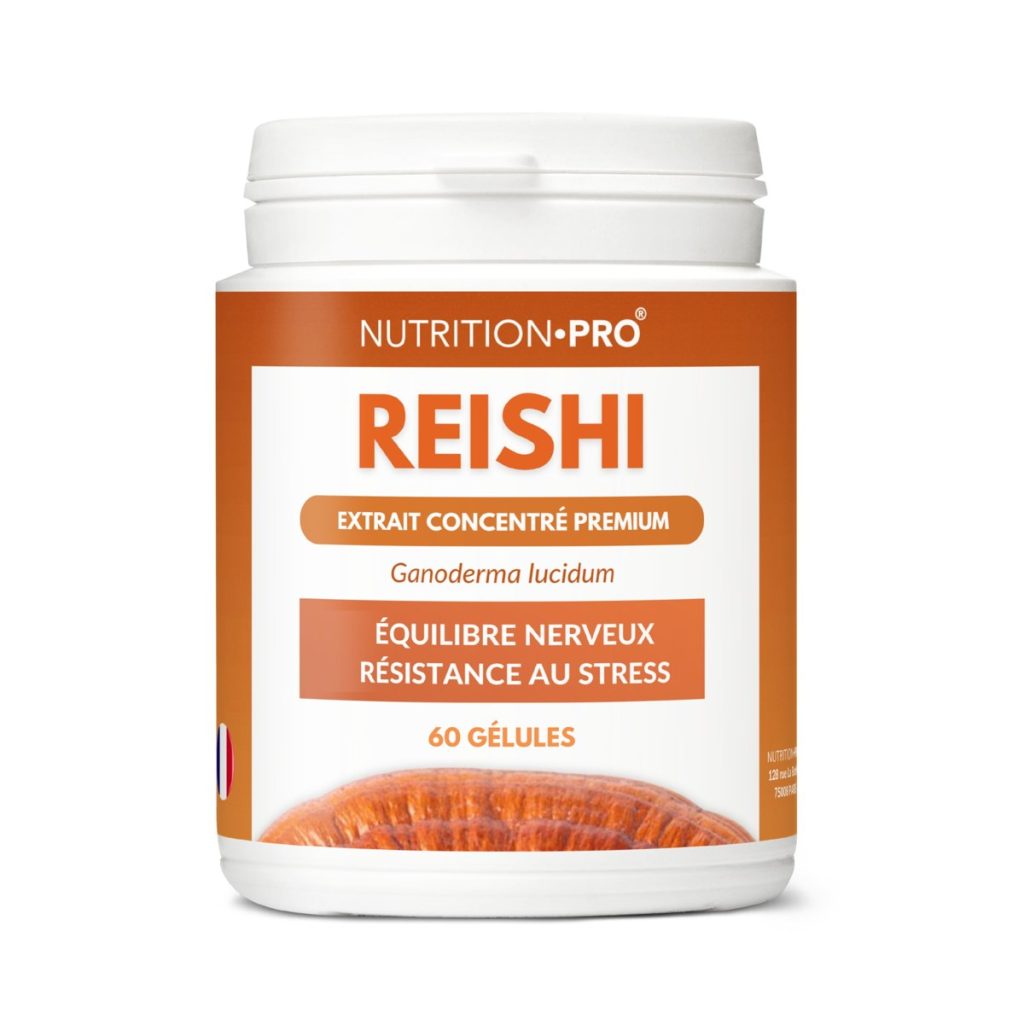
Reishi, called lingzhi in China, is a fan-shaped mushroom with a glossy red-brown cap. It grows on wood and is not eaten as a vegetable: it is hard and bitter. People take it as a decoction (reishi tea), as a powder or, most often today, as a concentrated extract in capsules.
Its most studied compounds are:
- polysaccharides, including beta-glucans, studied for immunity;
- triterpenes (ganoderic acids), which give it its bitter taste.
The amount of these compounds varies widely depending on the part used (fruiting body, spores, mycelium) and the extraction method. That is one reason why studies are hard to compare.
If you want a mushroom to cook with, shiitake is a much better choice: reishi is first and foremost a supplement.
Reishi mushroom benefits: what human studies show
| Question | What was studied | Result |
|---|---|---|
| Immunity | 39 older women, 2 g of dry extract a day for 8 weeks, vs placebo | T cell function changed (a more anti-inflammatory profile). Lab markers only, infections were not counted. |
| Fatigue (neurasthenia) | 132 patients, polysaccharide extract 1,800 mg three times a day for 8 weeks, vs placebo | Fatigue down 28.3% vs 20.1% on placebo; 51.6% clearly improved vs 24.6%. |
| Stress and fitness | 78 female students, 500 or 1,000 mg a day for 30 days, vs placebo | Better anxiety, well-being and endurance scores with 1,000 mg. A single, short study. |
| Blood sugar, cholesterol, blood pressure | Cochrane review: 5 trials, 398 people, 1.4 to 3 g a day for 12 to 16 weeks | No effect on HbA1c, cholesterol, blood pressure or triglycerides. |
| Cancer | Cochrane review: 5 randomised trials, added to chemotherapy or radiotherapy | Not enough evidence for treatment; trial quality judged unsatisfactory; no survival data. |
How to read this table. The most interesting signals concern fatigue and well-being, but they come from single trials using different extracts, sometimes at much higher doses than typical capsules (5.4 g a day in the neurasthenia trial). For immunity, researchers measured cells in the lab, not the number of colds. For diabetes and cholesterol, the available trials are negative: a 16-week Australian trial in 84 people with diabetes found no effect at all.
What about sleep? Reishi is often sold as the evening mushroom. The clinical trials we read did not measure sleep as their main outcome: it is an idea from tradition and animal research, not a proven effect in people. For better documented options, see our best sleep supplement comparison and our guide to foods that help you sleep.
What about cancer? The Cochrane review concludes that reishi cannot be a first-line treatment. It never replaces prescribed treatment, and you should tell your care team if you take it during chemotherapy.
Reishi mushroom side effects and liver toxicity
In trials, reishi is generally well tolerated. A placebo-controlled safety study (16 volunteers, 4 g of extract a day for 10 days) found no side effects and no abnormal blood tests. In the Cochrane review on cardiovascular risk, side effects were a little more frequent with reishi, but none were serious. Those described: digestive upset, nausea, insomnia.
The serious point is the liver. LiverTox, the US National Institutes of Health database, sums it up: reishi does not raise liver enzymes in trials, but it has been linked to rare, isolated cases of acute liver injury, often without other causes being properly ruled out.
| Published cases | What happened |
|---|---|
| Hong Kong, 2004 | First reported case of hepatitis after taking reishi powder. |
| Thailand, 2005 (published 2007) | Fatal fulminant hepatitis. As in the Hong Kong case, the patient had taken boiled reishi without problems, then switched to powder 1 to 2 months before. He was also taking other medicines. |
| United States, 2023 | 47-year-old man, acute hepatitis after reishi powder and alcohol. Full recovery within two weeks. |
These cases are rare and the exact cause is debated (product, contamination, combination with other substances). They still justify three simple rules:
- no reishi if you have liver disease, unless your doctor agrees;
- avoid combining it with alcohol or other products known to strain the liver;
- stop and see a doctor if you notice unusual tiredness, dark urine, yellow skin or eyes, or pain under the right ribs.
Beyond that, your liver does not need a detox: our guide to liver health explains why.
Interactions: who should not take reishi?
- Blood thinners and antiplatelet drugs (warfarin, DOACs, aspirin): a reishi compound slows platelet clumping in the lab. A trial in 40 healthy volunteers (1.5 g a day for 4 weeks) found no clotting problem, which is reassuring. But it did not include people on blood thinners: ask your doctor, and mention reishi before any surgery.
- Diabetes and blood pressure medicines: trials show no clear effect, but monitor your numbers when you start.
- Immunosuppressants (transplant, autoimmune disease): reishi acts on lymphocytes; medical advice is essential.
- Pregnancy and breastfeeding: no safety data, avoid.
- Mushroom allergy: avoid.
How to take a reishi mushroom supplement
- Studied dose: 1 to 3 g of extract a day in most trials, up to 5.4 g for a polysaccharide extract.
- Duration: 4 to 16 weeks in trials. Beyond that, safety data are lacking: take breaks.
- Morning or evening: no study compares the two. Evening is the traditional use; take it with a meal if it upsets your stomach.
- Form: a quality-controlled concentrated extract rather than a powder of unclear origin.
If stress is your goal, food, sleep and exercise come first: see our guide to diet and stress management.
Nutrition•pro: a reishi extract made in France
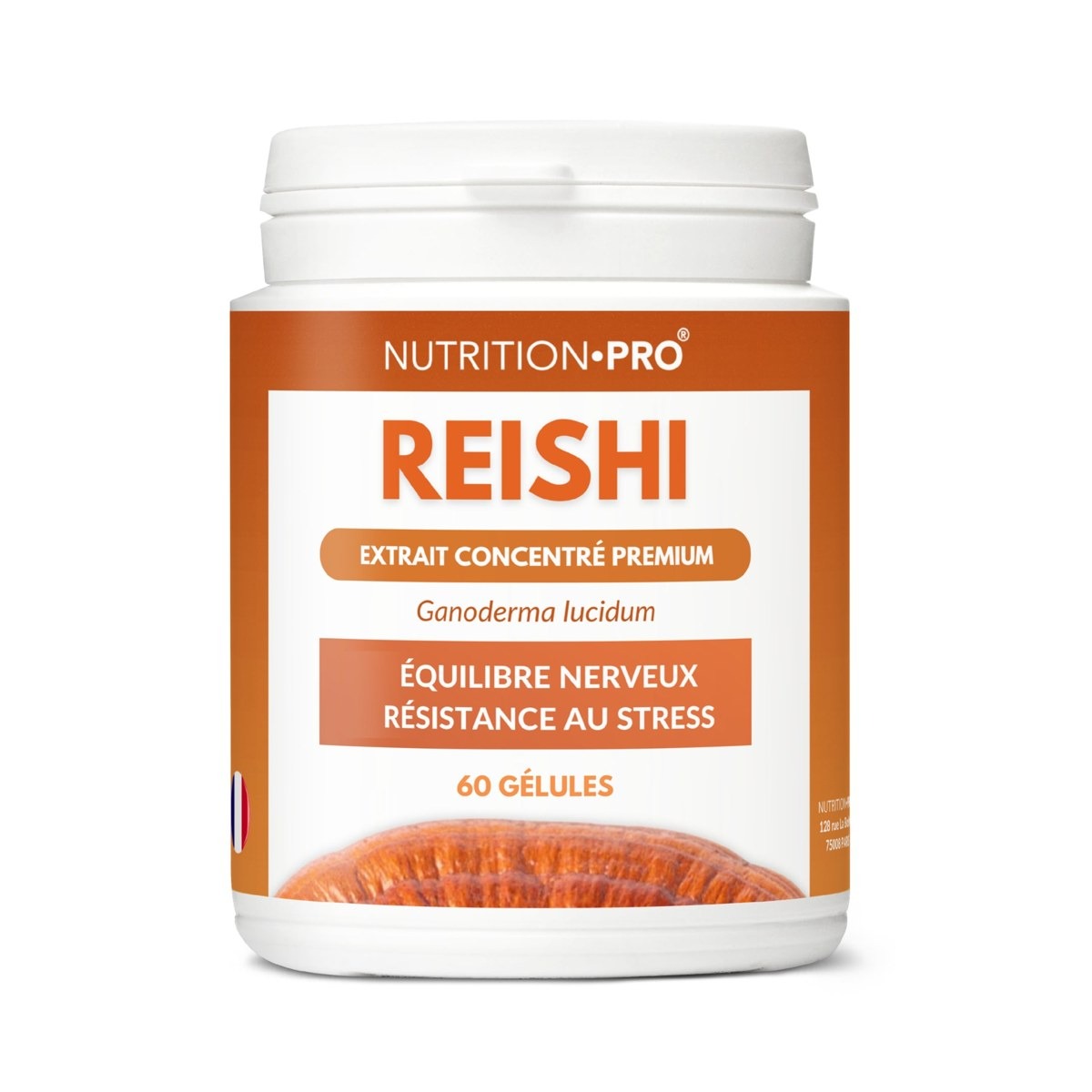
Nutrition•pro is a French brand based in Paris that makes its supplements in France. Its functional mushroom range includes reishi, shiitake, lion’s mane, cordyceps and chaga. Its Reishi keeps the formula clear:
- concentrated extract of Ganoderma lucidum, 1,800 mg a day: a dose within the range used in clinical trials (1 to 3 g);
- single ingredient, in vegetable capsules, no mushroom blend;
- 60 capsules, a 30-day course at 2 capsules a day;
- €29.99 per bottle (price checked on 22/11/2026), about €1 a day.
The studies above used other extracts and doses: their results do not automatically apply to this product. The precautions above (liver, blood thinners, pregnancy) apply to every reishi supplement.
Promo code: SEOCONSULTINGSL for 10% off your order, €26.99 per bottle (as of 22/11/2026).
Partner link: we earn a commission if you order through this link, at no extra cost to you.
To compare other ways to support immunity, see our best immune support supplement comparison. And if you are weighing up another mushroom supplement, our chaga guide covers its own precautions.
Frequently asked questions
What is reishi mushroom good for?
In people, the best signals concern fatigue, well-being and immune markers, from small trials. It has not been shown to lower blood sugar or cholesterol, and it does not treat cancer.
Is reishi bad for your liver?
For most people, no: trials show no rise in liver enzymes. But rare cases of hepatitis have been reported, mostly with powder. Avoid it if you have liver disease, and stop if you notice jaundice or dark urine.
Should I take reishi in the morning or at night?
No study compares the two. Night is the traditional choice. Regular intake matters more, ideally with a meal.
Can I take reishi every day?
Trials gave it daily for 4 to 16 weeks. There are no solid data beyond that: a one- to three-month course followed by a break is a cautious approach.
Can I take reishi with blood thinners?
Not without your doctor’s advice. Reishi did not affect clotting in healthy volunteers, but it slows platelets in the lab and has not been studied in people on treatment.
Sources
- Jin X. et al. Ganoderma lucidum (Reishi mushroom) for cancer treatment. Cochrane Database Syst Rev, 2016; 4: CD007731. PubMed 27045603
- Klupp N.L. et al. Ganoderma lucidum mushroom for the treatment of cardiovascular risk factors. Cochrane Database Syst Rev, 2015; 2: CD007259. PubMed 25686270
- Tang W. et al. A randomized, double-blind and placebo-controlled study of a Ganoderma lucidum polysaccharide extract in neurasthenia. J Med Food, 2005; 8(1): 53-8. PubMed 15857210
- Kwok Y. et al. A prospective, randomized, double-blind, placebo-controlled study of the platelet and global hemostatic effects of Ganoderma lucidum. Anesth Analg, 2005; 101(2): 423-6. PubMed 16037156
- Wanmuang H. et al. Fatal fulminant hepatitis associated with Ganoderma lucidum (Lingzhi) mushroom powder. J Med Assoc Thai, 2007; 90(1): 179-81. PubMed 17621752
- LiverTox (NIDDK, NIH). Lingzhi, Reishi. Updated 5 October 2024. PubMed 39527685