Group · Drinks
Decaffeinated coffee
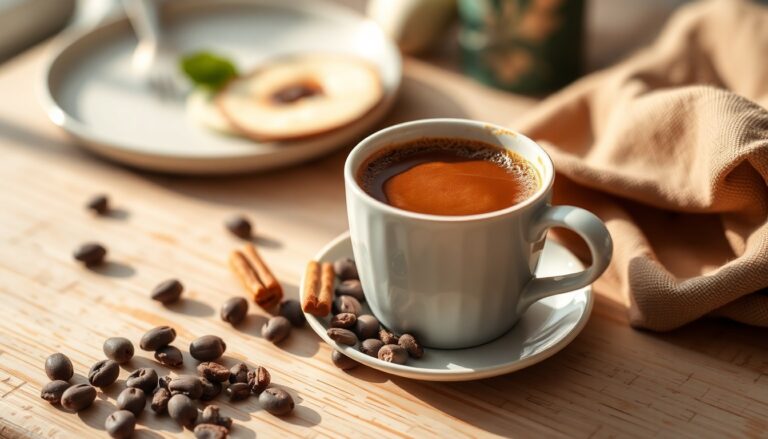
Decaffeinated coffee, often called decaf, is coffee from which most of the caffeine has been removed using water, CO2 or solvent processes. It keeps the aromas and character of regular coffee, without the marked stimulating effect of caffeine. You can find it in all the usual forms: beans for grinding, ground coffee, pods, capsules or instant. With 2.1 kcal per 100 g (made without sugar or milk), it is an almost calorie-free drink, with no carbohydrate or fat. Popular with people who are sensitive to caffeine or who want to enjoy a coffee in the evening, decaf fits easily into a balanced diet and a weight-loss plan.
Macronutrient breakdown
Nutrition table per 100 ml
| Calories | 2 kcal |
| Kilojoules | 9 kJ |
| Protein | 0,2 g |
| Carbohydrate | 0,4 g |
| Fat | 0,1 g |
Micronutrients per 100 ml
All measured nutrients, ranked by share of the daily reference intake.
- Potassium36 mg2 %
- Vitamin B30,28 mg2 %
- Magnesium4 mg1 %
- Copper0,01 mg1 %
- Vitamin B20,01 mg1 %
- Iodine1 µg1 %
- Manganese0,01 mg1 %
- Calcium4 mg1 %
See the other 4 nutrients
- Phosphorus3 mg0 %
- Iron0,04 mg0 %
- Zinc0,01 mg0 %
- Vitamin B50 mg0 %
Anses Ciqual 2025. Source: Anses, 2025, Ciqual food composition table
Tips
Decaffeinated coffee is ideally enjoyed plain, without sugar or cream, to keep it at zero calories. A decaf espresso after a meal or at the end of the day lets you enjoy the coffee ritual without affecting your sleep. In terms of nutrition facts, it remains a drink with very low energy density: it is the extras (sugar, syrup, whole milk, whipped cream) that push up the total. For pleasure, vary the preparation methods: filter, cafetière, moka pot or espresso machine for a dense crema.
As for benefits, decaf provides coffee compounds (polyphenols, natural antioxidants) while limiting caffeine. It is a good choice if you are sensitive to the jittery effects or want to cut down on stimulants in the afternoon. For more peaceful sleep, you can also take inspiration from this article on foods that promote restful sleep.
A few practical guidelines:
- Storage: keep the beans or grounds in an airtight container, away from light and moisture, to preserve the aromas.
- Timing: perfect in the evening or for people who are cutting down on caffeine without giving up the taste.
- Weight-loss pairings: replace sugary soft drinks with a plain decaf to limit empty calories.
For active people, decaffeinated coffee has a particular appeal: unlike regular coffee, it does not give the kick of caffeine, which makes it an ideal hot drink for evening recovery, after late training, without disrupting sleep. Be careful, though: it does not have the ergogenic effect sought before a competition. For energy and performance before exercise, it is better to stick with a real espresso or a regular coffee rich in caffeine. For muscle recovery, decaf can go with a protein snack without interfering with rest.
When it comes to weight control, decaffeinated coffee is a neutral ally as long as you avoid the sweetened or milky versions of cappuccinos and indulgent drinks. Drunk plain, it contributes to hydration and curbs cravings for snacking. To go further and build balanced days, explore our drinks family and the guide to eating a balanced diet every day. Like any drink, have decaf in moderation and listen to your own sensations.