Group · Drinks
Pastis
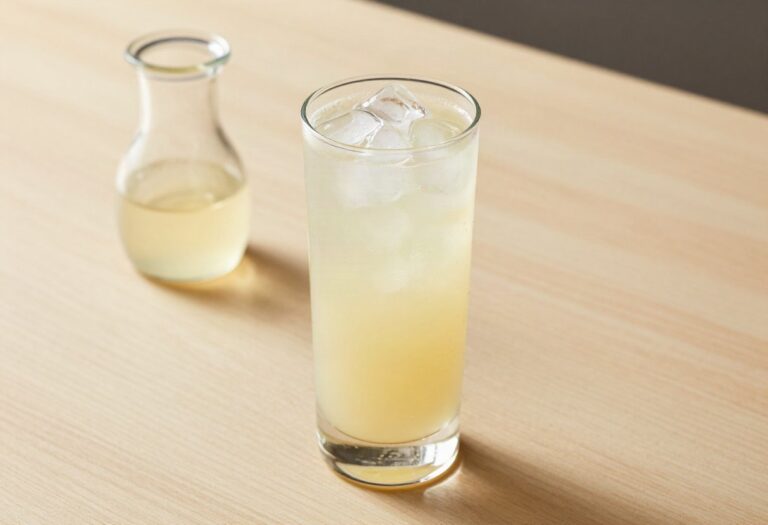
The emblem of the southern French aperitif, pastis is an aniseed drink originating from the south of France, traditionally drunk diluted with cold water. Flavoured with aniseed and liquorice, it is recognisable by its cloudy, milky colour once mixed, a phenomenon known as the louche. There are different brands and alcohol strengths, as well as more or less sweet versions. Nutritionally, neat pastis has little carbohydrate (0.5 g per 100 g) and no fat, but its calories come mainly from the alcohol. Like any spirit-based drink, it should be enjoyed in moderation, in the sociable setting of a shared moment, without making it a daily reflex.
Macronutrient breakdown
Nutrition table per 100 ml
| Calories | 44 kcal |
| Kilojoules | 184 kJ |
| Carbohydrate | 0,5 g |
Micronutrients per 100 ml
All measured nutrients, ranked by share of the daily reference intake.
- Copper0,02 mg2 %
- Selenium0,42 µg1 %
- Iron0,04 mg0 %
- Magnesium0,82 mg0 %
- Zinc0,01 mg0 %
- Iodine0,17 µg0 %
- Manganese0 mg0 %
Anses Ciqual 2025. Source: Anses, 2025, Ciqual food composition table
Tips
Pastis is classically drunk diluted: allow about 1 part aniseed spirit to 5 parts cold water, with a few ice cubes. This dilution softens the strength of the aniseed and liquorice flavours, though it is still an alcoholic drink to handle with care. Served as an aperitif, it goes with olives, tapenade or almonds, all snacks whose calorie density needs watching.
In terms of nutrition facts, undiluted pastis provides about 44 kcal per 100 g of ready-to-drink product, with no protein or fat and very little carbohydrate. Most of the calories come from the ethyl alcohol, which is the part to keep in check. To compare with other aperitif drinks, you can check our food calorie table or explore the drinks family.
A few guidelines for sensible drinking:
- Follow the official guidelines: no more than two drinks a day and not every day.
- Alternate each glass with a large glass of water to stay hydrated and limit quantities.
- Dilute generously, which makes the drink more refreshing and less concentrated.
- Consider alcohol-free alternatives or plain aniseed syrups if you want to keep the taste without the ethanol.
If you are comparing aperitif options, other spirits such as whisky or red wine have different profiles in terms of strength and sugar. Pastis has the advantage of being low in carbohydrate, but alcohol remains a source of empty calories, a subject well covered in our article on empty calories and their alternatives.
For active people, pastis has no value before or after exercise: alcohol hinders muscle recovery, disrupts hydration and sleep quality, and slows the rebuilding of muscle fibres. If your goal is to gain muscle or lose weight, it is better to keep it for rare occasions and go for water, isotonic drinks or a suitable snack. Moderation is part of an overall balanced diet approach.
In short, pastis can have its place in a sociable moment, provided you dilute it properly, limit the number of glasses and drink plenty of water alongside. It is a drink for pleasure, not a health food: the key remains moderation.