Group · Meat
Pork shoulder
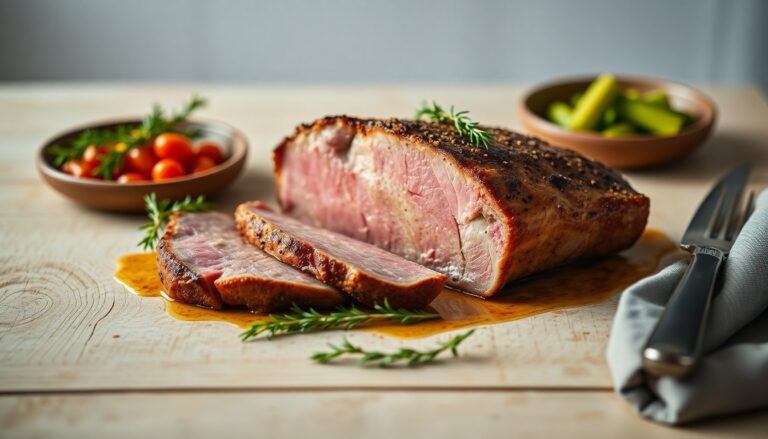
Pork shoulder is a cut appreciated for its tenderness and succulence, taken from the upper part of the pig’s front leg. Versatile, it can be roasted, braised, stewed or shredded (the famous pulled pork). At around 124 kcal per 100 g, it provides 18 g of protein and nearly 4.5 g of fat, with no carbohydrate or fibre. It is an interesting source of complete protein and B vitamins, as well as minerals such as zinc, iron and phosphorus. Its fat content makes it a tasty but relatively rich meat, to be included in moderation in a balanced diet, varying the cuts and cooking methods.
Macronutrient breakdown
Nutrition table per 100 g
| Calories | 124 kcal |
| Kilojoules | 520 kJ |
| Protein | 18 g |
| Carbohydrate | 2,8 g |
| Fat | 4,5 g |
Micronutrients per 100 g
All measured nutrients, ranked by share of the daily reference intake.
- Phosphorus143 mg20 %
Anses Ciqual 2025. Source: Anses, 2025, Ciqual food composition table
Tips
Pork shoulder shines with slow cooking: braised in the oven at a low temperature or stewed for several hours, it becomes melting and shreds easily. To limit fat, trim the joint before cooking and favour gentle cooking, which preserves tenderness without much added fat. A reasonable portion is around 100 to 130 g per meal.
Pairings and meal ideas:
- Serve it with green vegetables or pulses to provide the fibre that meat lacks.
- Rely on herbs and spices (smoked paprika, cumin, garlic, thyme) rather than fatty sauces.
- Marinate it before cooking to tenderise and flavour it without unnecessary calories.
Nutrition facts and strengths: pork shoulder provides good-quality protein for maintaining muscle mass, as well as vitamin B1 (thiamin), B6, zinc and well-absorbable haem iron. Its lack of carbohydrate gives it a glycaemic index of zero, but its fat (nearly 4.5 g per 100 g) calls for moderation if you are watching your weight or your saturated fat intake.
Tips for active people: rich in protein, pork shoulder contributes to muscle recovery after exercise. However, its fat content makes it less suitable just before training, as it slows digestion. Keep it instead for a recovery meal, served with wholegrain starchy foods. For leaner intakes, alternate with chicken breast or veal. To top up your daily protein needs, you can also take inspiration from fitness nutrition.
Storage: keep raw pork shoulder for 2 to 3 days in the fridge, or several months in the freezer. Once cooked, eat it within 3 days. To compare this cut with other meats and explore their nutritional profiles, browse the meat family or check the food calorie table.
Weight control: tasty but calorie-dense, pork shoulder is best enjoyed occasionally, in controlled portions, favouring cooking methods without added fat and balancing it with vegetables.