Group · Herbs & spices
Paprika
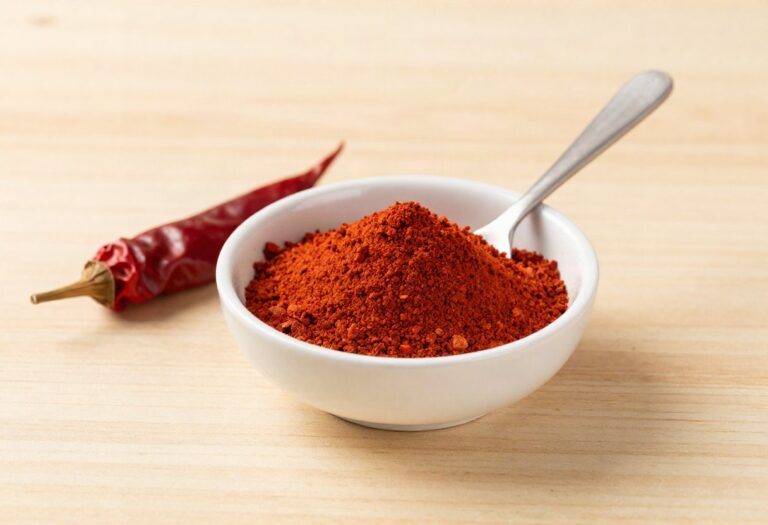
Paprika is a spice made by drying and grinding varieties of mild (sometimes smoked) chillies, recognisable by its lovely orange-red colour. Originally from Central America and later adopted in Hungary and Spain, it comes in several profiles: sweet, medium, hot or smoked (pimentón). Highly fragrant, it colours and lifts dishes without adding to the real calorie bill, as it is used in small amounts. As for nutrition facts, it concentrates fibre, vitamins and carotenoid antioxidants. In a balanced diet, paprika is a flavour ally that lets you limit salt and fat while varying flavours day to day, in Mediterranean cooking as well as in marinades.
Macronutrient breakdown
Nutrition table per 100 g
| Calories | 318 kcal |
| Kilojoules | 1320 kJ |
| Protein | 14,1 g |
| Carbohydrate | 18,8 g |
| Fat | 12,9 g |
| Fibre | 34,9 g |
Micronutrients per 100 g
All measured nutrients, ranked by share of the daily reference intake.
- Vitamin E29,1 mg243 %
- Vitamin B62,14 mg153 %
- Iron21,1 mg151 %
- Potassium2280 mg114 %
- Vitamin K180,3 µg107 %
- Vitamin B21,23 mg88 %
- Manganese1,59 mg80 %
- Copper0,71 mg71 %
- Vitamin B9dietary folate equivalents49 µg
See the other 9 nutrients
- Vitamin B310,1 mg63 %
- Magnesium178 mg47 %
- Phosphorus314 mg45 %
- Zinc4,33 mg43 %
- Vitamin B52,51 mg42 %
- Vitamin B10,33 mg30 %
- Calcium229 mg29 %
- Omega-3 ALA0,45 g23 %
- Vitamin C0,9 mg1 %
Anses Ciqual 2025. Source: Anses, 2025, Ciqual food composition table
Tips
Paprika is used in pinches: half a teaspoon (about 1 g) is enough to flavour a portion. Even if the values per 100 g seem high (289 kcal, 18.8 g of carbohydrate, 14.1 g of protein, 12.9 g of fat and 34.9 g of fibre), the calories actually provided per serving remain negligible. It is therefore an excellent slimming habit: it intensifies flavour without adding sugar or fat.
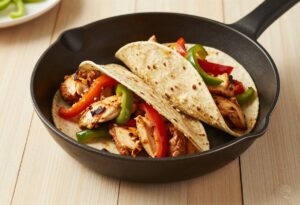
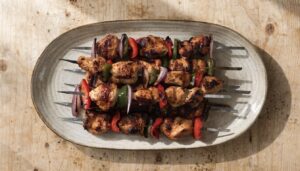
- Ways to use it: add it at the start of cooking to a base of warm oil to release its aroma, but avoid burning it (it turns bitter). Ideal on white meats, chicken, eggs, rice, roasted vegetables and marinades.
- Pairings: it goes with cumin, garlic powder and black pepper for rub-style or goulash spice blends.
- Storage: keep it away from light and damp, in an airtight jar. Its bright colour and fragrance fade over time, so replace it every 6 to 12 months.
Paprika provides carotenoids (including capsanthin, responsible for its red colour), vitamin A in the form of provitamin A, vitamin E and fibre. These compounds are among the antioxidant foods that contribute to a varied diet. Depending on the variety, there is sweet, medium, hot and smoked paprika, the last of which adds a woody note much appreciated in vegetarian dishes.
For active people: paprika provides no significant energy, but it makes meals tastier, which helps you stick to a balanced diet over the long term. Use it to lift a plate of rice and chicken rich in carbohydrate and protein after exercise, or to flavour vegetables during recovery without resorting to fatty, salty sauces.
Weight control: the main advantage of paprika is its low calorie density in use. It lets you cut back on added salt and lighten your dishes. Stay alert to shop-bought blends, which sometimes add salt or flavour enhancers. To explore other spices and vary flavours, browse the Herbs & Spices family and compare the content using the food calorie table. Well measured, paprika remains a tasty, light asset every day.