Group · Vegetables
Purslane
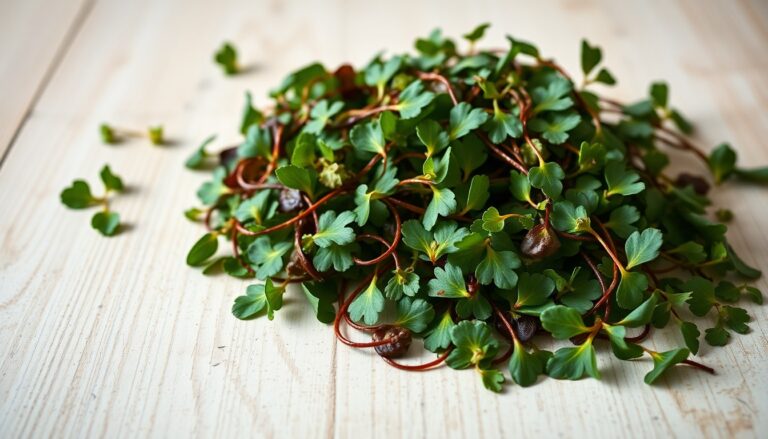
Purslane is a garden plant with small, fleshy, crunchy leaves, long considered a weed before coming back onto our plates. Appreciated in Mediterranean cooking, it is eaten raw in salads or cooked like a leafy green. With only 16 kcal per 100 g, purslane is among the lightest vegetables, ideal in a balanced diet focused on freshness. Its juicy leaves, with a slightly tangy, peppery flavour, add an original touch to dishes. Rich in water, low in fat (0.36 g) and low in carbohydrate (3.43 g), it fits easily into varied menus, whether you want to eat healthily or add variety to your everyday vegetables.
Macronutrient breakdown
Nutrition table per 100 g
| Calories | 16 kcal |
| Kilojoules | 67 kJ |
| Protein | 2,1 g |
| Carbohydrate | 3,5 g |
| Fat | 0,4 g |
Micronutrients per 100 g
All measured nutrients, ranked by share of the daily reference intake.
- Vitamin C21 mg26 %
- Potassium494 mg25 %
- Magnesium68 mg18 %
- Manganese0,3 mg15 %
- Iron1,99 mg14 %
- Copper0,11 mg11 %
- Calcium65 mg8 %
- Vitamin B20,11 mg8 %
- Vitamin B9dietary folate equivalents12 µg
See the other 7 nutrients
- Phosphorus44 mg6 %
- Vitamin B60,07 mg5 %
- Vitamin B10,05 mg4 %
- Vitamin B30,48 mg3 %
- Zinc0,17 mg2 %
- Vitamin B50,04 mg1 %
- Iodine0,4 µg0 %
Anses Ciqual 2025. Source: Anses, 2025, Ciqual food composition table
Tips
Purslane is best enjoyed raw first, its young shoots adding crunch and freshness to mixed salads. You can mix it with other tender leaves such as lamb’s lettuce or rocket to vary textures and flavours. A simple vinaigrette of olive oil, lemon and a little garlic is enough to show it off. Cooked, it behaves like spinach: it wilts quickly in a pan or steamer and goes with omelettes, soups and vegetable bakes.
How best to eat it? Choose gentle cooking for a short time to preserve its colour and qualities. For storage, purslane is fragile: keep it in the fridge in a damp cloth and eat it within two to three days, as its leaves wilt quickly.
- Nutritional values: 16 kcal per 100 g, 2.03 g of protein, 3.43 g of carbohydrate and only 0.36 g of fat.
- Strengths: its very low calorie density and richness in water make it an ally of light meals.
- Seasonality: purslane is harvested mainly from late spring to summer, when its shoots are most tender.
For weight control, purslane is an excellent choice: low in calories, refreshing and voluminous on the plate, it helps you build filling meals without adding to the energy total. You can combine it with other crunchy vegetables such as cucumber or radishes for colourful weight-loss salads. To go further, explore our vegetables family and find more fresh ideas.
For active people, purslane has its place on a recovery plate rich in vegetables and well hydrated, alongside a protein source (fish, egg, poultry) and a wholegrain starchy food. Its lightness makes it a good plant-based addition to meals before or after exercise, without weighing on digestion. To structure your plate around your goals, our guide to fitness nutrition can help you balance carbohydrate, protein and vegetables through the day.
In short, purslane is a discreet but versatile vegetable: raw or cooked, it adds a tangy touch to your menus while remaining one of the lightest foods. Include it without hesitation as part of everyday balanced meals.