Group · Drinks
Rum
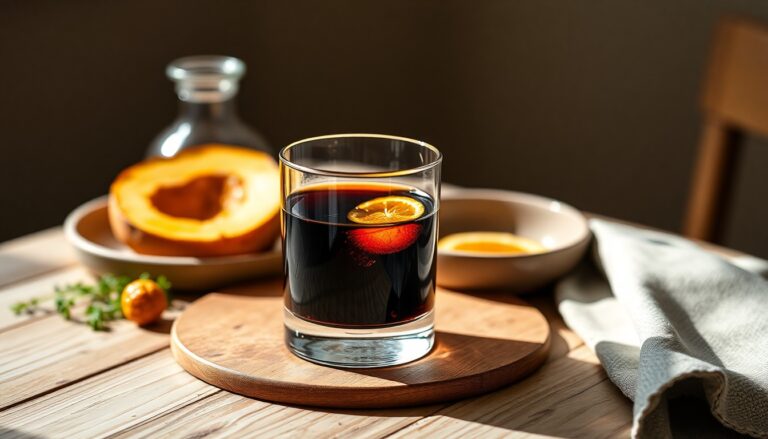
Rum is a spirit made by distilling sugar cane, either from molasses (traditional rum) or from pure cane juice (rhum agricole). There is white rum, amber rum and aged rum, each with its own aromas depending on cask ageing. Nutritionally, it is a very high-energy alcoholic drink: about 234 kcal per 100 g, with no protein, carbohydrate or fat. Its calories come almost entirely from the alcohol. Enjoyed neat, as a digestif or in many cocktails, rum is a treat product to be drunk in great moderation as part of a balanced diet.
Macronutrient breakdown
Nutrition data unavailable.
Nutrition table per 100 ml
| Calories | 234 kcal |
| Kilojoules | 969 kJ |
Micronutrients per 100 ml
All measured nutrients, ranked by share of the daily reference intake.
- Copper0,05 mg5 %
- Manganese0,02 mg1 %
- Iron0,12 mg1 %
- Vitamin B10,01 mg1 %
- Phosphorus5 mg1 %
- Zinc0,07 mg1 %
- Iodine1 µg1 %
- Potassium2 mg0 %
Anses Ciqual 2025. Source: Anses, 2025, Ciqual food composition table
Tips
Rum can be enjoyed in many ways: neat or on ice for an aged rum with woody, vanilla notes, in a ti-punch with lime and cane sugar, or in cocktails such as the mojito, the piña colada or the rum daiquiri. Be careful, though: these drinks often add sugar syrup, fruit juice or fizzy drinks, which greatly increases the final calorie count.
A few guidelines for drinking it:
- A standard measure of rum (about 3 cl at 40% vol.) provides nearly 70 kcal, all from alcohol.
- Prefer slowly sipping an aged rum to richer, sugary cocktails.
- Alternate each glass with water to stay hydrated.
- Store your bottles upright, away from light and heat.
Rum contains no vitamins, minerals or worthwhile fibre: its nutrition facts boil down to empty calories. To understand this concept better, the article on empty calories and their effects offers useful insight. As with whisky or vodka, its appeal is above all about taste and sociability, never nutrition.
Weight control: alcohol is energy-dense (7 kcal per gram) and supplies calories that the body uses first, which can hamper weight management. If you are trying to slim, it is better to limit rum and sugary cocktails strongly. You will find more guidance in the food calorie table to compare the different drinks in this family.
Advice for active people: alcohol has no benefit for exercise or recovery. It dehydrates you, disrupts sleep and interferes with muscle protein synthesis, which slows the repair of muscle fibres after training. If you want to optimise your progress, it is better to rely on proper hydration and a suitable snack than on a glass of rum. Keep this drink for festive occasions, in reasonable amounts, and always follow it with a large glass of water. Drunk in moderation and with awareness, it can keep its place as an occasional pleasure without compromising your goals.