Group · Nuts & seeds
Sesame seeds
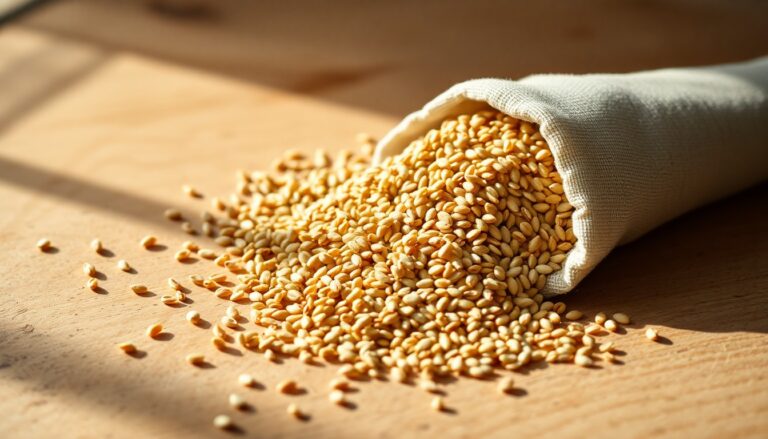
Small but powerfully fragrant, sesame seeds come from one of the oldest oilseed plants cultivated in the world. Taken from the sesame plant (Sesamum indicum), they come in several forms: golden, white, brown or black seeds, raw or toasted, whole or ground into a paste (the famous tahini). Rich in healthy fats, plant protein and fibre, they also provide useful minerals. Their hazelnut-like flavour lifts savoury dishes and sweet preparations alike. At around 606 kcal per 100 g, they remain energy-dense, but a spoonful is enough to enrich a meal. In a balanced diet, sesame is enjoyed in small touches, as much for its taste as for its nutritional value.
Macronutrient breakdown
Nutrition table per 100 g
| Calories | 606 kcal |
| Kilojoules | 2510 kJ |
| Protein | 20,9 g |
| Carbohydrate | 12,8 g |
| Fat | 49,7 g |
| Fibre | 11,8 g |
Micronutrients per 100 g
All measured nutrients, ranked by share of the daily reference intake.
- Omega-6 LA21,2 g212 %
- Copper1,58 mg158 %
- Calcium962 mg120 %
- Iron14,6 mg104 %
- Phosphorus629 mg90 %
- Magnesium324 mg86 %
- Vitamin B10,79 mg72 %
- Manganese1,24 mg62 %
- Vitamin B9dietary folate equivalents97 µg
See the other 10 nutrients
- Zinc5,74 mg57 %
- Vitamin B60,79 mg56 %
- Selenium26,5 µg48 %
- Vitamin B34,52 mg28 %
- Potassium468 mg23 %
- Vitamin B20,25 mg18 %
- Omega-3 ALA0,26 g13 %
- Vitamin E0,25 mg2 %
- Vitamin B50,05 mg1 %
- Vitamin A0,42 µg0 %
Anses Ciqual 2025. Source: Anses, 2025, Ciqual food composition table
Tips
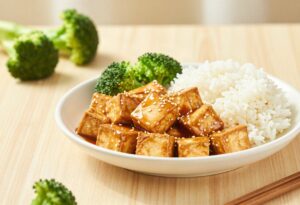
Sesame is eaten in small amounts: one to two teaspoons (10 to 15 g) are enough to flavour a recipe while keeping calories in check. It is the ideal ingredient to sprinkle over a salad, a poke bowl, a vegetable stir-fry or fish, but also to make a creamy hummus thanks to tahini, the sesame paste typical of Middle Eastern cooking.
- Ways to eat it: raw seeds on a yoghurt or a porridge, dry-toasted for a few minutes to bring out their nutty aroma, or as gomasio (a mix of sesame and salt) to season without too much sodium.
- Storage: keep them in an airtight jar, away from light and heat. Being rich in fat, they can go rancid: storing them in the fridge prolongs their freshness.
- Pairings: they go wonderfully with wholegrain cereals, rice, roasted vegetables and other nuts and seeds.
In terms of nutrition facts, sesame seeds provide nearly 20.9 g of protein, 49.7 g of fat (mostly unsaturated), 12.8 g of carbohydrate and 11.8 g of fibre per 100 g. They supply calcium, magnesium, iron, zinc and vitamin B1, as well as antioxidant compounds such as sesamin. Their glycaemic index is low, making them a good ally for limiting blood sugar spikes. To make the most of their benefits, you can find them in the family of nuts and seeds, alongside pumpkin seeds and flaxseeds, which are just as interesting nutritionally.
For active people: sesame combines plant protein, quality fat and minerals such as magnesium, useful for muscle function. Add it to a snack, for example in a protein snack, or sprinkle it over your post-workout meals to boost energy intake when bulking up. During recovery, tahini worked into a sauce lets you add useful calories without volume.
Weight control: very energy-dense, sesame calls for moderation. Weigh your portions rather than sprinkling by eye, and favour plain seeds over the sugary biscuits or bars that contain them. Included in moderation in a balanced diet, it brings flavour, texture and nutrients without sabotaging your goals. To compare its calorie content with other foods, consult the calorie table.