High-Protein Foods: Sources and Benefits
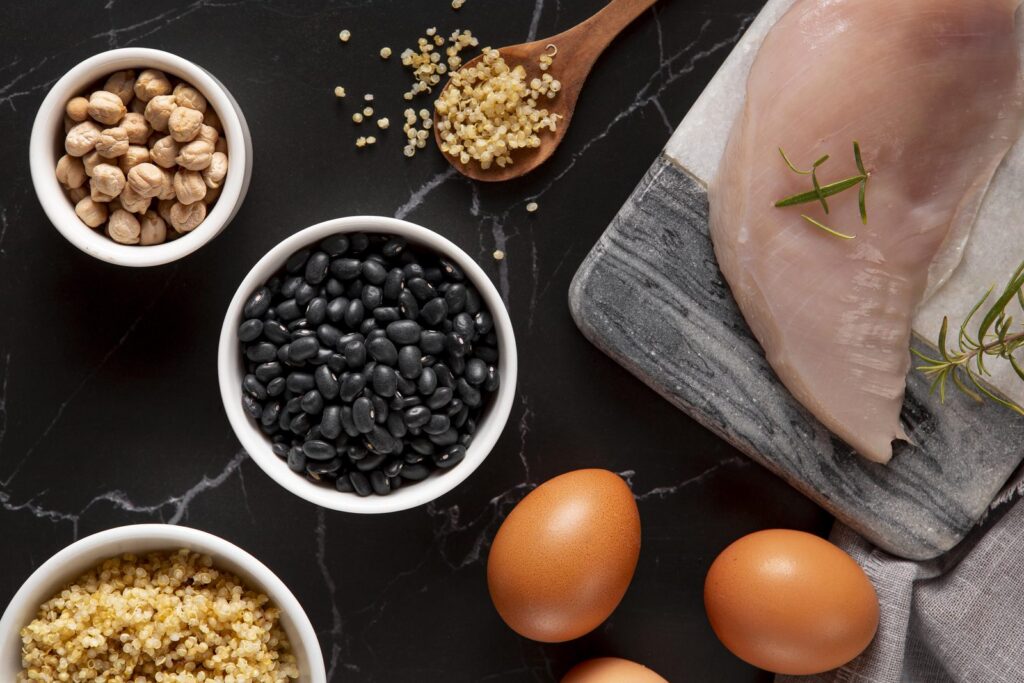
Struggling to identify the best high-protein foods for your diet? Whether you are aiming for weight loss, muscle gain or a balanced diet, choosing the right protein sources can feel like a puzzle. This guide compares the most concentrated animal and plant sources, such as dried meat (51g/100g) or lentils, and explains their benefits. Discover a full ranking, healthy preparation tips and how to combine protein to maximise fullness, sporting performance and overall health, with figures to help you adapt your intake to your daily needs.
- What is protein and why is it essential?
- How much protein do you need each day?
- Ranking of the best animal protein sources
- Guide to the best plant protein sources
- Protein quality: the key role of essential amino acids
- Optimising your diet: practical tips and synergies
- Going further: frequently asked questions about protein
What is protein and why is it essential?
The fundamental role of protein in your body
Protein, made up of amino acids, forms muscles, skin and hair. It performs vital functions:
- Enzymes to digest food or produce energy.
- Hormones such as insulin to regulate blood sugar.
- Antibodies to fight infections.
- Oxygen transport via haemoglobin.
It is essential for survival. In the case of a deficiency, the body draws on its muscle reserves, which weakens it. Protein also forms collagen, a key protein for skin elasticity.
Protein for fullness and muscle building
Protein reduces hunger by slowing digestion. An egg (13.2g/100g) or lentils (11g/100g) are enough to stave off cravings. For muscles, protein repairs fibres damaged by exercise. Athletes need 1.2 to 1.7g of protein per kg of body weight, compared with 0.8g for everyone else. Salmon (23g/100g) and chickpeas (11g/100g) provide it. Vegetarians can combine cereals and pulses for a complete intake.
What counts as a « high-protein » food?
A food is considered high in protein if 20% of its calories come from protein. Examples:
- Lean meat: 30g/100g (chicken, beef).
- Salmon: 23g/100g, rich in omega-3.
- Eggs: 13.2g/100g with a complete amino acid profile.
Plant sources:
- Lentils: 11g/100g, rich in iron.
- Pumpkin seeds: 35.6g/100g.
- Oats: 13g/100g, versatile in the kitchen.
How much protein do you need each day?
General recommendations for adults
For a healthy adult who is not very active, the recommended daily intake is about 0.8 grams of protein per kilogram of body weight. For example, a person weighing 70 kg needs about 56 grams of protein a day. This intake supports cell renewal and the proper functioning of the body.
This protein comes from a variety of foods, such as meat, fish, eggs, pulses or dairy products. A balanced diet generally lets you reach this target without difficulty.
Specific needs for athletes and weight loss
Your daily protein needs are not fixed. They vary with your age, sex and level of physical activity, from 0.8g/kg to more than 1.7g/kg.
Athletes looking to build muscle mass need 1.2 to 1.7 grams per kilogram. For weight loss, protein helps to preserve muscle mass while reducing hunger. Its filling effect helps you limit the calories you eat without harming your metabolism.
- Endurance exercise: 1.2 to 1.6g/kg/day.
- Strength training: 1.6 to 2.2g/kg/day.
- Fat loss: 2.3 to 3.1g/kg/day, combined with a calorie deficit.
Protein should be spread across the day, with a portion after training to optimise muscle recovery.
Ranking of the best animal protein sources
Meat and poultry
Meat provides « complete » protein, because it contains all 9 essential amino acids. Lean beef (30g per 100g) and skinless chicken (31g per 100g) are popular choices for their protein density. Dried meat, very concentrated (up to 51g per 100g), is handy for a quick protein boost, but its high salt content (up to 15g per 100g) means it should only be eaten occasionally.
- Beef: 30g per 100g (e.g. fillet, rump steak)
- Dried meat: up to 51g per 100g
- Chicken: 31g per 100g without the skin
For a balanced intake, favour dry cooking methods (grilling, non-stick frying pan) and avoid sugary marinades that add empty calories. Red meat, such as beef, also provides haem iron, which the body absorbs better than plant iron.
Fish and seafood
Oily fish such as salmon (23g per 100g) and tuna (25-30g) combine protein and omega-3, which benefit the heart and brain. Sardines (25g) and mackerel (24g) are affordable options, with a nutritional profile rich in vitamin D (essential for immunity) and selenium (an antioxidant).
- Smoked salmon: 23g per 100g
- Tuna: 25-30g depending on preparation
- Sardines: 25g per 100g
- Mackerel: 24g per 100g
Choose fresh or frozen versions without industrial processing. Small fish such as sardines accumulate fewer heavy metals, which makes them safer for regular consumption. Prawns (24-25g per 100g) are ideal for light dishes, with only 1g of fat per 100g.
Eggs and dairy products
The egg is a benchmark for protein digestibility (13.2g per 100g). It also contains choline, which is essential for metabolism. Hard cheeses such as Parmesan (up to 38g of protein per 100g) make concentrated snacks, while fromage blanc (a fresh cheese similar to quark, 10% protein) and plain yoghurt (4 to 5.3g) provide probiotics for the gut flora.
- Egg: 13.2g per 100g
- Parmesan: high protein content
- Fromage blanc: 10% protein
- Plain yoghurt: 4 to 5.3g per 100g
Opt for reduced-fat products with no added sugar. Greek yoghurt or Skyr, with 10g of protein per 100g, are concentrated alternatives that make an ideal snack. Soft cheeses, such as Camembert, should be eaten in moderation because of their fat content (20g per 100g on average).
Guide to the best plant protein sources
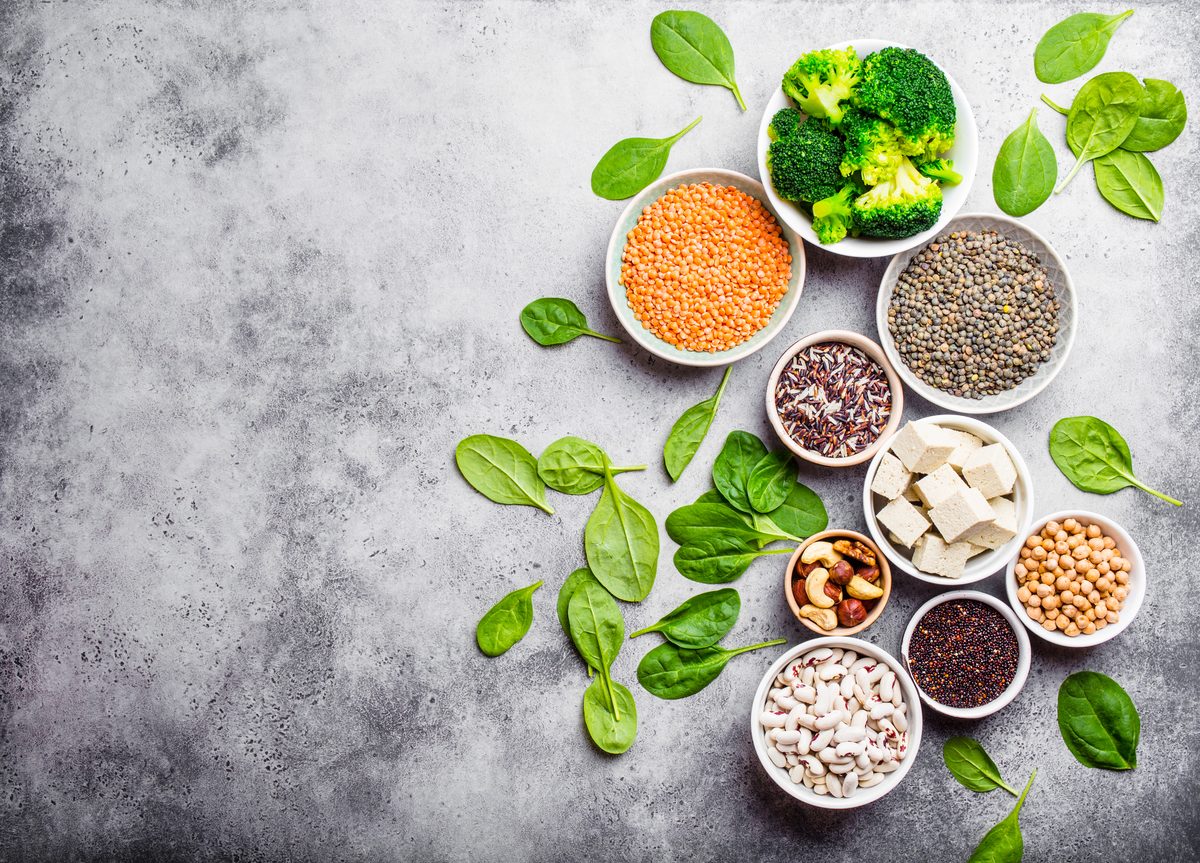
Plant protein comes with fibre, little saturated fat and antioxidants. For a complete intake of essential amino acids, alternate pulses, cereals and nuts and seeds. These foods support muscle building and prolong fullness, while also improving gut health.
Pulses: versatile champions
Cooked lentils (11g/100g), chickpeas and black beans are staples. Rinse them thoroughly if tinned to reduce the salt. They also provide iron and folate, and are easier to digest if soaked beforehand or cooked with a piece of kombu seaweed.
Cereals, seeds and nuts
Pumpkin seeds (35.6g/100g), almonds (25.5g) and peanuts (26.1g) stand out for their concentration. Almond flour (51g/100g) is ideal for baking. A daily handful is enough, to be paired with wholegrain cereals (rice, quinoa) to balance the amino acids.
Vegetables and soya products
Spinach, broccoli and mushrooms provide 2-4g of protein per 100g. Tofu (17g/100g) and unsweetened soya drinks round out a plant-based diet. Choose fresh edamame (11g/100g) or plain soya, avoiding versions loaded with salt.
- Add silken tofu to soups for a creamy texture.
- Prepare lentil salads with olive oil and fresh herbs.
- Fill wholemeal pitta breads with hummus and crunchy vegetables.
- Add a weekly vegetarian meal (lentil chilli, chickpea tacos).
- Create a mix of oats and seeds for protein snacks.
| Food | Category (Animal/Plant) | Protein content (per 100g) |
|---|---|---|
| Dried meat | Animal | 51g |
| Almond flour | Plant | 51g |
| Pumpkin seeds | Plant | 35.6g |
| Parmesan | Animal | ~35g |
| Beef | Animal | ~30g |
| Peanuts | Plant | 26.1g |
| Almonds | Plant | 25.5g |
| Pistachios | Plant | 23.8g |
| Smoked salmon | Animal | 23g |
| Tinned tuna | Animal | ~22g |
| Egg | Animal | 13.2g |
| Oat flour | Plant | 13g |
| Cooked lentils | Plant | 11g |
| Firm tofu | Plant | ~10g |
Here are the most protein-dense foods (content per 100g). This table compares the key animal and plant sources for muscle building and feeling full. Protein is involved in tissue repair and appetite regulation.
Dried meat (51g/100g) and smoked salmon (23g/100g) provide « complete » protein (all the amino acids). Pumpkin seeds (35.6g/100g) and almond flour (51g/100g) add fibre and minerals while limiting saturated fat.
Daily needs vary: 0.8g/kg for an adult, up to 1.7g/kg for an athlete. This reference helps you to vary your intake according to your nutritional goals.
Protein quality: the key role of essential amino acids
The 9 amino acids your body cannot produce
Protein is made up of 20 amino acids, 9 of which are called « essential » because the human body cannot synthesise them on its own. These amino acids must therefore come from food.
They play specific roles in the body:
- Leucine: activates muscle protein synthesis
- Isoleucine: provides energy to the muscles
- Valine: supports muscle regeneration
- Lysine: helps produce antibodies
- Methionine: promotes the absorption of zinc and sulphur
- Phenylalanine: precursor of neurotransmitters
- Threonine: strengthens connective tissue
- Tryptophan: regulates mood and sleep
- Phenylalanine: contributes to protein synthesis
« Complete » and « incomplete » protein: how to make the right choices
Animal protein (meat, eggs, dairy products) is generally « complete »: it contains the 9 essential amino acids in ideal proportions. Quinoa, buckwheat and hemp seeds are among the few complete plant sources.
Plant protein is often « incomplete »: some cereals lack lysine, and pulses lack methionine. To make up for these gaps, simply combine different plant sources over the course of the day:
- Lentils + rice
- Chickpeas + wholemeal bread
- Kidney beans + sweetcorn
- Cereals + nuts
What matters is not eating complete protein at every meal, but ensuring a varied intake of plant sources throughout the day to obtain all the essential amino acids.
This complementarity gives you a complete protein profile without needing to eat animal protein every time. A balanced diet containing a variety of plant sources is generally enough to meet daily essential amino acid needs.
Optimising your diet: practical tips and synergies
How to prepare protein-rich foods healthily
To preserve the nutritional qualities of protein-rich foods, favour healthy cooking methods. Avoid saturated fat, added sugar and excess salt.
- Favour grilling, oven cooking or poaching to limit your fat intake.
- Remove visible fat from meat and the skin from poultry before cooking.
- Season with fresh herbs, spices or lemon rather than rich sauces.
- Rinse tinned pulses to reduce their sodium content.
The synergy of protein with fibre and iron
Protein-rich foods often provide other essential nutrients. For example:
- Pulses, such as lentils, combine protein and fibre. They promote fullness and support digestive health thanks to their 11g of protein and 8g of fibre per 100g.
- Red meat and lentils are sources of protein and iron. The haem iron in meat is well absorbed, whereas the iron in lentils (non-haem) needs to be paired with vitamin C for better absorption.
The best time to eat protein: focus on the evening meal
Protein in the evening supports overnight muscle recovery and limits cravings. Slow-digesting protein such as the casein in dairy products (fromage blanc, Greek yoghurt) releases amino acids over 7 hours. Pulses or tofu are plant-based alternatives rich in tryptophan, which promotes sleep.
Here are some light evening meal ideas:
- A bowl of plain fromage blanc (10g of protein per 100g).
- A lentil soup (9g of protein and 8g of fibre per 100g).
- Hard-boiled or scrambled eggs (6-12g of protein per egg).
- Vegetable sticks with hummus (made from chickpeas, 8g of protein per 100g).
Going further: frequently asked questions about protein
Can you eat too much protein?
For a healthy person, a high protein intake poses no major danger. However, beyond 1.4-1.5 g/kg/day the benefits fade, and cardiovascular or metabolic risks increase. Animal protein is more strongly associated with these effects. Athletes and people with kidney failure should consult a healthcare professional.
Are protein powders necessary?
Powders are convenient, but not compulsory. They top up the needs of athletes or vegans, but a balanced diet is enough. For example, 100 g of turkey breast provides 28.5 g of protein, compared with up to 90 g for a shaker. They help muscle recovery, but do not replace the nutrients in whole foods.
Which foods are highest in protein and low in calories?
Here are some light, protein-rich foods:
- Skinless chicken or turkey breast: 21-28.5 g of protein per 100 g, low in fat.
- White fish (tilapia, perch): 18-19.7 g of protein per 100 g, 0.5-0.8 g of saturated fat.
- 0% fat fromage blanc: 7.95 g of protein per 100 g, fat-free.
- Firm tofu: 14 g of protein per 100 g, 8.5 g of fat.
- Lentils and chickpeas: 6.7-11 g of protein per 100 g, rich in fibre.
Protein, fundamental for structure and fullness, is found in foods of both animal and plant origin. A varied, balanced diet that combines complementary sources guarantees a complete intake of amino acids. For healthy choices, opt for light preparations and minimally processed products, while adapting your intake to your specific needs.
FAQ
Which foods are the highest in protein?
The foods highest in protein are mainly dried meat with about 51g per 100g, almond flour with the same amount, pumpkin seeds (35.6g/100g), Parmesan (about 35g/100g), beef (about 30g/100g), peanuts (26.1g/100g), almonds (25.5g/100g) and pistachios (23.8g/100g). Note that these values are given per 100g of food, which corresponds to larger or smaller portions depending on the food.
How do you reach 100 g of protein a day?
To reach 100g of protein a day, here is an example of how to split it: breakfast with 3 eggs (about 40g of eggs) and a Greek yoghurt (150g) for 20g of protein; lunch with 150g of chicken breast (about 45g of protein); a snack with 30g of 0% fromage blanc (about 3g of protein); dinner with 150g of salmon (about 35g of protein). This total comes to about 103g of protein. It is important to spread your intake across the day for better absorption.
What is the equivalent of 100 g of protein a day?
For a person weighing 70kg, 100g of protein a day is about 1.4g/kg of body weight, which is above the general recommendation of 0.8g/kg but suitable for athletes or people who want to preserve their muscle mass. It represents about 15-20% of daily calorie intake for a 2000-2500 calorie diet. For athletes, this amount helps support muscle recovery and weight gain.
What is the best source of protein?
The « best » source depends on context and diet. The egg is often regarded as the benchmark with 13.2g of protein per 100g and an excellent amino acid profile. Lean meats such as beef (30g/100g) or chicken (21g/100g) are also very complete. For vegetarians, soya (36g/100g) and quinoa (4.4g/100g) are complete proteins. Protein powders such as whey (70-80% protein) are convenient for topping up your intake.
Which fruit is the highest in protein?
Fruit is generally low in protein, but among the best provided are dried figs (3.3g/100g), avocados (2g/100g), bananas (1.1g/100g) and berries (1g/100g). However, pulses such as lentils (11g/100g) or soya products such as tofu (14g/100g) are much more concentrated plant sources. For vegetarians, it is better to rely on the latter to meet their needs.
What is the most protein-packed food?
The most protein-packed food is almond flour with 51g of protein per 100g, followed by dried meat (51g/100g) and pumpkin seeds (35.6g/100g). In practice, it is best to eat these foods in moderation: a handful of seeds (30-60g) is enough for a useful intake, as they are also high in calories. Protein powders such as whey (70-80% protein) are also concentrated solutions but are not essential.
Which protein should you eat in the evening for recovery?
For the evening meal, it is worth favouring slower-digesting protein for a gradual supply during sleep. 0% fromage blanc (7.95g/100g) is ideal as a snack before bed. For dinner, salmon (23g/100g), chicken (21g/100g) or tofu (14g/100g) are excellent choices. Pulses such as lentils (11g/100g) are also relevant, especially for vegetarians. Round off with slow carbohydrate (quinoa, sweet potato) to optimise recovery.
What are the dangers of too much protein?
Too much protein can cause digestive problems (bloating, wind), an increased need for water and, for people with kidney failure, an extra load on the kidneys. At very high levels (above 2g/kg of body weight), animal protein could promote atherosclerosis by activating the mTOR complex. There is also a risk of bad breath linked to ketosis on very low-carbohydrate diets. Finally, an excess can lead to weight gain if total calorie intake is exceeded.
Is fromage blanc a good source of protein?
Yes, fromage blanc is a good source of protein, with 7.95g of protein per 100g in the 0% version. It is particularly useful as a snack before bed because the casein it contains digests slowly, gradually releasing amino acids. It is also rich in calcium and low in fat. For a higher protein intake, you can opt for fromage blanc with 20% fat (9.1g of protein/100g) or Carré Frais 0% with 17.5g of protein/100g.


