Maca, Peruvian Ginseng: Energy, Libido and Benefits

Do you feel tired, stressed or low on libido? Maca, an ancient adaptogenic plant, offers natural solutions to revitalise your energy and boost your desire. Thanks to its essential amino acids and plant sterols, it helps regulate your hormones, boosting vitality and wellbeing. Find out how its varieties (yellow, red, black) target libido, stamina or hormonal balance, with effects visible within 6 to 12 weeks. Learn how to include it safely in your routine, avoiding excessive doses and combining it with other plants such as ginseng for the best results.
👉 Free tool: Calorie requirements – calculate yours in 30 seconds, no sign-up needed.
- What is maca, the « Peruvian ginseng »?
- What are the benefits of maca for libido and energy?
- Beyond energy, what other benefits does it have for overall balance?
- Yellow, red or black maca: which should you choose for which effects?
- How should you take maca to get its benefits?
- Are there any precautions to take, and any side effects?
- Key takeaways on the benefits of maca
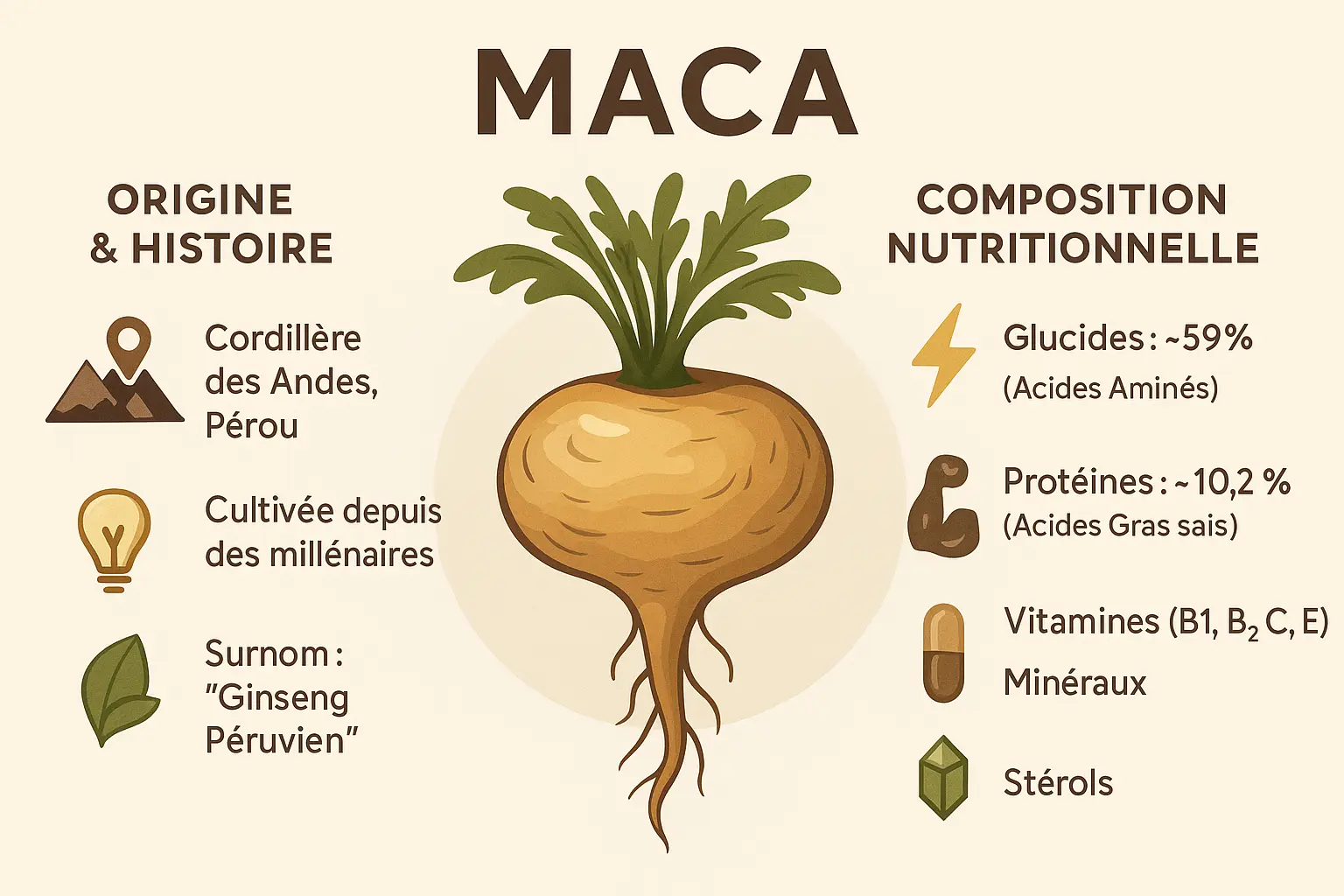
What is maca, the « Peruvian ginseng »?
Origin and history of an ancient plant
Maca comes from Lepidium meyenii, a plant that has been cultivated for more than 2,000 years in the high Andes of Peru, at altitudes of 3,500 to 5,000 metres. It adapts to extreme conditions: night frosts, violent winds and poor soil. The Incas used it for its energising and reproductive properties, reserving it for the elite and for warriors. Its nickname of « Peruvian ginseng » recalls its traditional role as an adaptogenic plant, able to strengthen the body against stress.
A particularly rich nutritional composition
Maca root contains 59% carbohydrate, 10.2% protein with essential amino acids such as arginine, and 2.2% fat, including unsaturated fatty acids (linoleic, oleic). Per 100 units, it also provides vitamins (B1, B2, C, E), minerals (iron, zinc, calcium) and bioactive compounds such as plant sterols. This richness explains its effects on energy and hormonal balance. The yellow, red and black varieties contain varying concentrations of nutrients, which influences their traditional uses.
What are the benefits of maca for libido and energy?
A natural boost for libido and sexual vitality
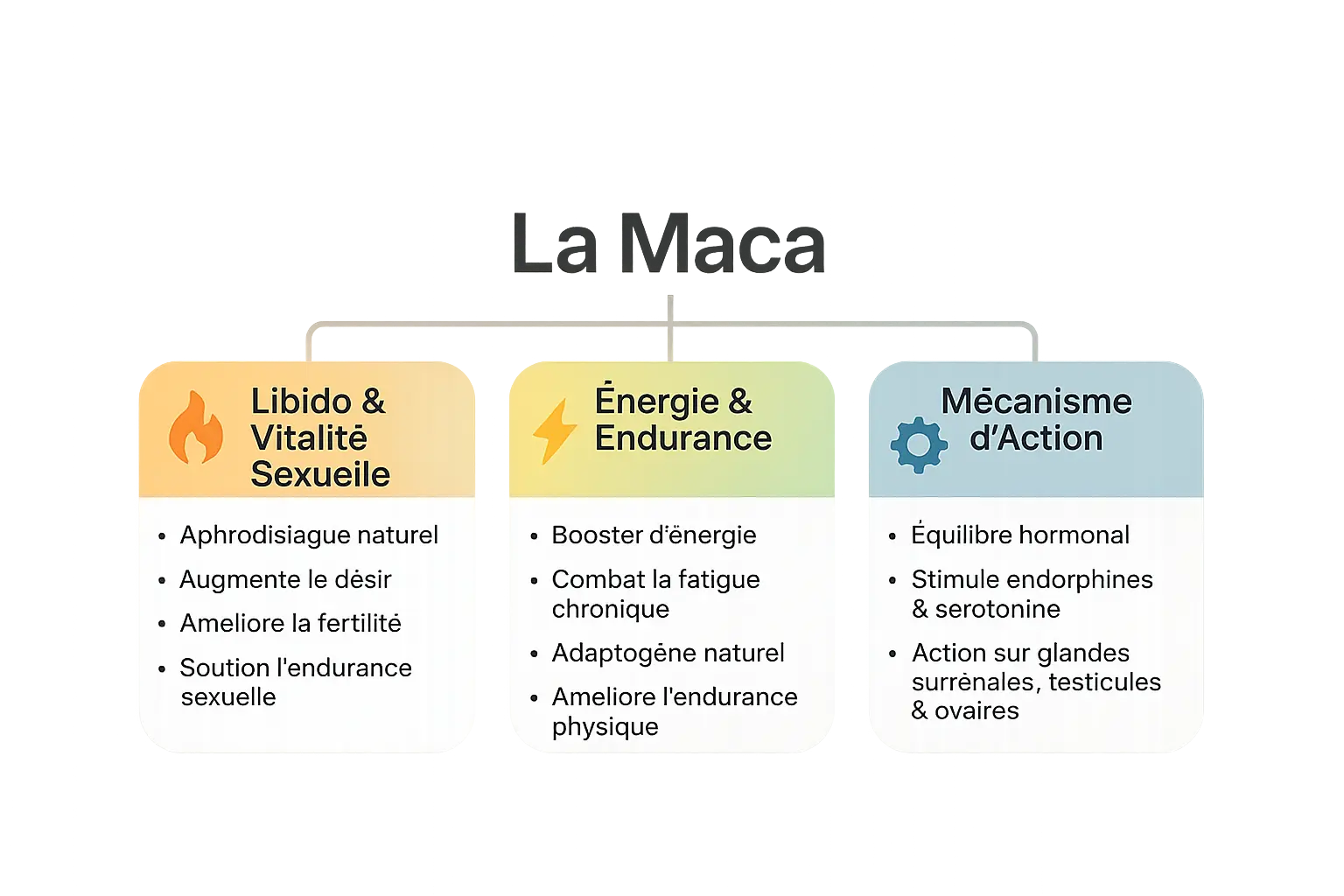
Maca has traditionally been used as an aphrodisiac. Studies show that it improves sexual desire, in both men and women. One randomised study found an increase in desire after 8 weeks of taking 1,500 to 3,000 mg a day.
This effect seems to be independent of hormonal changes, working through mechanisms that are still poorly understood. In men, it may support fertility by improving sperm quality, with no impact on testosterone. For women, the evidence remains limited, but it helps balance mood and hormones via serotonin.
A genuine boost for energy and stamina
Maca is a natural adaptogen. It helps the body cope with physical and mental stress, reducing chronic fatigue. By improving ATP production, it optimises cellular energy, which is useful for athletes and active people.
Its natural steroid compounds limit oxidative stress and muscle damage after exercise. This supports faster recovery and greater stamina. By fighting mental fatigue, it also supports concentration and mental clarity.
How does maca work in the body?
The plant sterols and amino acids in maca regulate hormonal balance. It stimulates the production of endorphins and serotonin, which are associated with wellbeing. These hormones influence mood, stress and sleep quality.
It also acts on the hypothalamic-pituitary-adrenal (HPA) axis, modulating cortisol (the stress hormone) via the serotonin pathway. Macamides, compounds unique to maca, inhibit the CYP1A2 enzyme, increasing the availability of DHEA, a precursor of testosterone. Finally, its antioxidants protect cells and support the adrenal glands, ovaries and testes.
Beyond energy, what other benefits does it have for overall balance?
Support for hormonal balance and menopause symptoms
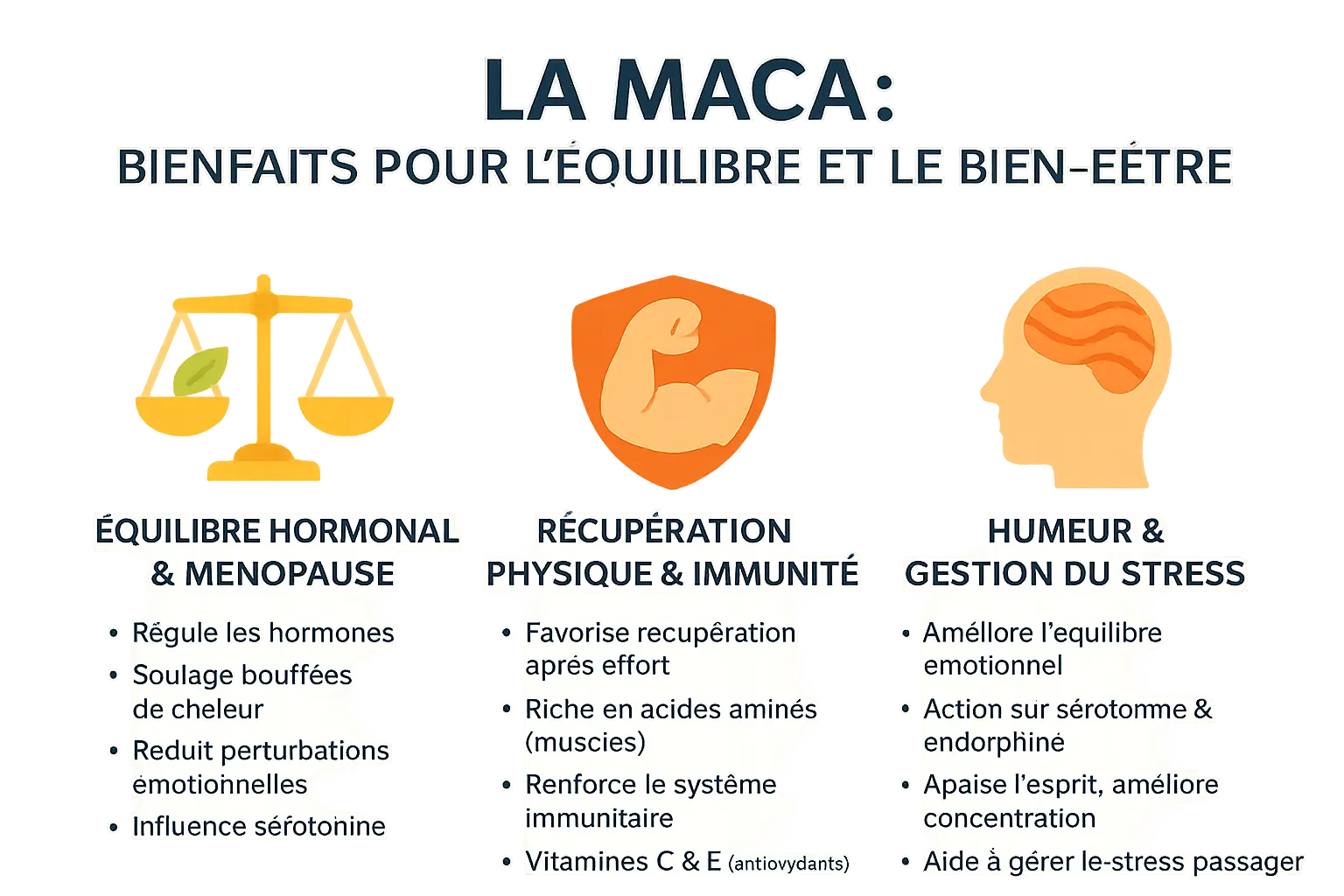
Maca acts on hormonal balance by regulating the adrenal glands and the production of feel-good hormones. Studies show that a dose of 2 g a day significantly reduces hot flushes (-50%) and night sweats, while stabilising mood.
Its mechanism relies on plant sterols that stimulate the production of oestradiol (E2) and reduce follicle-stimulating hormone (FSH). These effects correct hormonal imbalances without supplying hormones directly, avoiding the risks associated with conventional hormone treatments.
Physical recovery and immune system stimulation
The essential amino acids in maca (up to 10.2% of its composition) speed up muscle recovery. Studies have observed a reduction in blood lactic acid (-20%), limiting cramps and post-exercise pain. It also improves stamina thanks to its polysaccharides, which store liver glycogen.
Its richness in vitamins C and E (natural antioxidants) strengthens the immune defences. The zinc and manganese it contains activate white blood cells, reducing vulnerability to common infections. Its anti-inflammatory action lowers markers such as interleukin-6 (-30% on average).
An ally for mood and stress management
Maca stimulates serotonin and endorphins, improving sleep and easing mood swings. Clinical trials report a 40% reduction in anxiety symptoms in menopausal women, with a lasting effect after supplementation stopped.
Its neuroprotective components (macamides, polyphenols) could slow cognitive ageing, although further research is needed. By regulating cortisol, it offers natural relief from occasional stress, without major side effects.
Yellow, red or black maca: which should you choose for which effects?
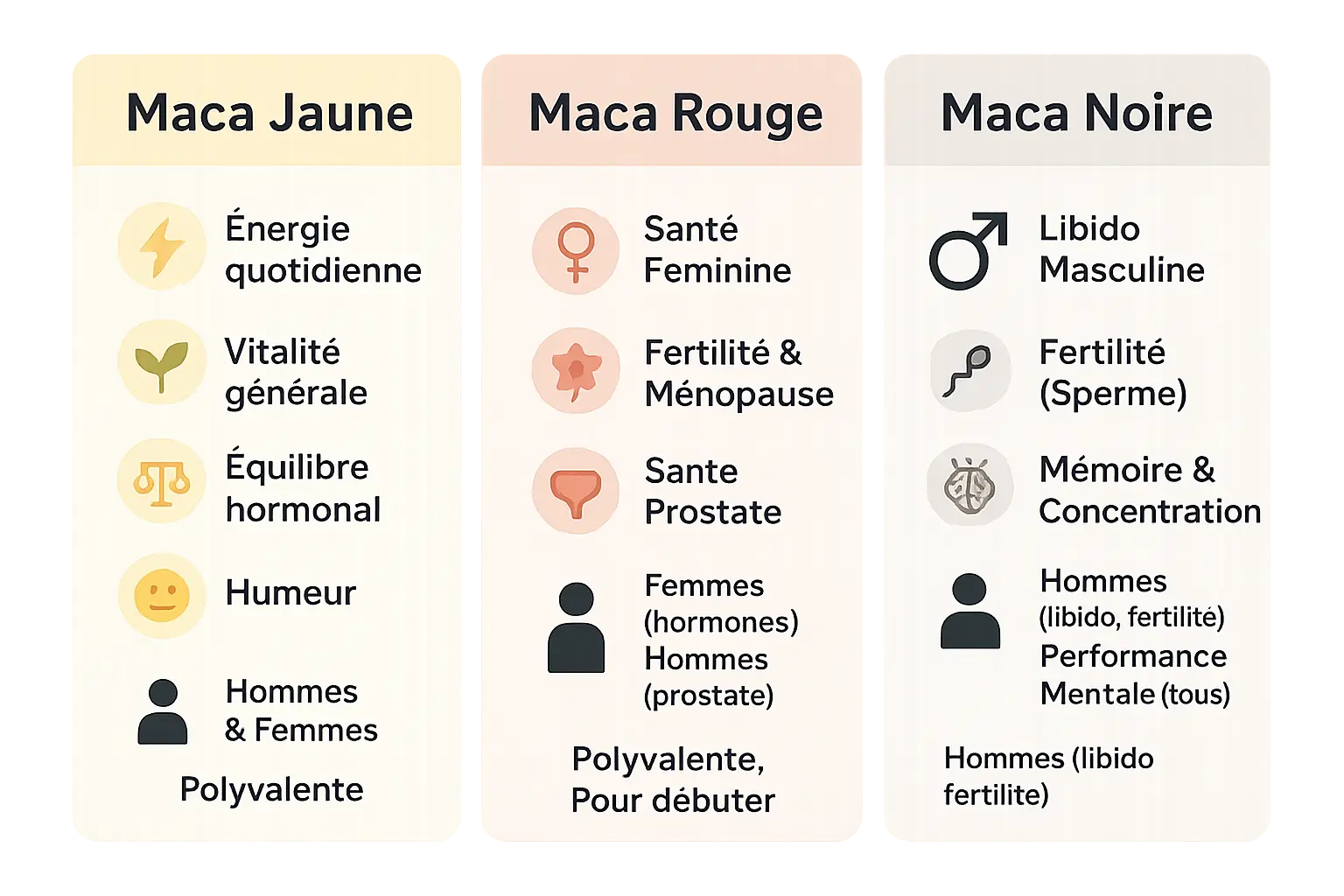
The three main varieties – yellow, red and black – differ in their effects, which are linked to their active compounds.
What sets each maca variety apart
Yellow maca accounts for 70% of world production, with a mild taste and wide availability. Red maca (20-25%) stands out for its antioxidants. Black maca (10-15%), the rarest, is prized for its intense energy.
Benefits compared by colour
Here is a comparison of effects by variety:
| Variety | Main benefits | Target audience |
|---|---|---|
| Yellow maca | Energy and wellbeing Hormonal balance, especially in menopausal women Boosted libido | Men and women |
| Red maca | Post-menopausal bone health Female hormonal balance Prostate protection | Women (hormones) and men (prostate) |
| Black maca | Stronger male libido Improved male fertility Boosted mental performance | Men (libido) and everyone for concentration |
Yellow maca is versatile, while red and black target specific needs. Regular use optimises these natural effects.
How should you take maca to get its benefits?
In what form and at what dose?
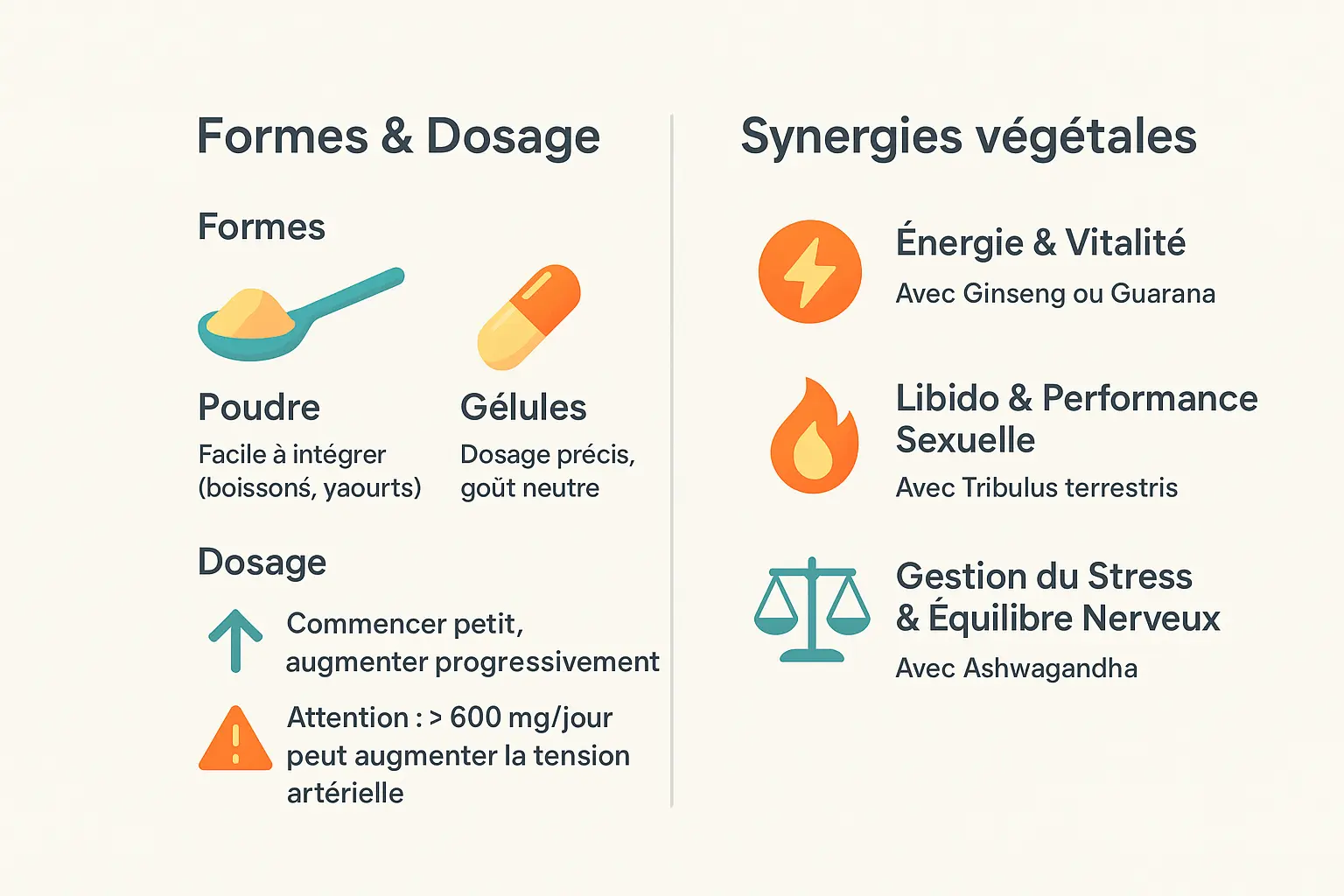
Maca comes as a powder (which blends into drinks and yoghurts) or as capsules (precise dosage, neutral taste). Typical doses range from 1.5 g to 3 g a day for the powder, building up gradually over 1 to 2 weeks to assess your tolerance. Capsules standardise the dose and are ideal for targeting goals such as energy or libido.
Be careful: above 600 mg a day, there is a risk of raised blood pressure in people with metabolic syndrome. Start with small amounts to avoid digestive effects such as bloating. If you are unsure about the dose or have an existing condition, speak to a healthcare professional before you start.
Optimising the effects: combining maca with other plants
To amplify its effects, combine maca with plants according to your needs:
- Energy and vitality: Combine with ginseng or guarana, as in the supplement Biogena Maca Energy (48 mg of natural caffeine). These combinations boost alertness and reduce fatigue.
- Libido and performance: Combine with tribulus terrestris to boost testosterone and support desire and blood circulation. This synergy is common in 6-in-1 blends.
- Stress management: Add ashwagandha, which regulates cortisol and improves sleep quality. This adaptogenic plant stabilises mood.

Are there any precautions to take, and any side effects?
Possible side effects
Maca is generally considered safe when taken at the recommended doses. However, taking too much can cause side effects.
Taking more than 600 mg of powder a day can raise blood pressure. Allergic reactions such as skin rashes, itching or breathing difficulties have been reported.
Other possible effects include menstrual problems, hot flushes, insomnia or digestive upset. If symptoms persist, it is recommended that you stop taking it and speak to a healthcare professional.
Who should avoid maca? Contraindications
- Pregnant or breastfeeding women: No clinical study has confirmed its safety during these periods.
- People on hormone treatment: Risk of interfering with treatments for breast cancer, prostate cancer or endometriosis.
- Thyroid problems: Effects vary from person to person, so medical advice is needed.
- High blood pressure: High doses are not recommended without monitoring.
If you are unsure, have a pre-existing condition or take medication, speaking to a healthcare professional remains essential for safe use.
Key takeaways on the benefits of maca
Maca, an adaptogenic plant from the Andes, boosts libido and vitality thanks to its amino acids. It fights physical and mental fatigue, supporting energy and stamina. Its hormonal action reduces menopause symptoms such as hot flushes. It stabilises mood via serotonin. The yellow variety, the most effective, is used at 1.5 to 3 g a day, in two morning doses.
- Improves libido and sexual vitality.
- Boosts energy and stamina.
- Eases menopause symptoms.
- Balances mood via serotonin.
- Choose the yellow variety (1.5 to 3 g a day).
Maca, an Andean plant rich in vitamins B, C and E, is a powerful adaptogen that boosts libido, raises energy and regulates hormones. Its varieties (yellow, red, black) offer targeted effects: vitality, hormonal balance or libido. Take it in moderation for physical and emotional balance.
FAQ
Does maca affect libido and sexual desire?
Yes, maca is traditionally and scientifically recognised for its effects on libido. Studies show that it stimulates sexual desire by acting on hormonal balance. Its richness in essential amino acids and plant sterols supports the production of feel-good hormones such as serotonin and endorphins. For men, it may improve sexual performance, stamina and the quality of erections. In women, it helps regulate hormonal imbalances linked to the menstrual cycle or menopause, which may indirectly boost libido. The effects are generally seen after several weeks of regular use.
Do you need to take maca every day to get the full benefit?
Taking maca daily is possible but needs care. Studies indicate that regular use (generally between 1,500 mg and 3,000 mg a day depending on the form) brings benefits for energy, libido and hormonal balance. However, it is recommended not to exceed 600 mg of pure powder a day to avoid an increase in blood pressure. Experts advise courses of 4 to 12 weeks at most, followed by breaks to let the body rebalance naturally. People on hormone treatment, and women who are pregnant or breastfeeding, should speak to a healthcare professional before taking it regularly.
How long does maca take to work?
The effects of maca generally appear after 6 to 8 weeks of regular use. This is the time needed for the active compounds (plant sterols, amino acids, B and C vitamins) to influence hormonal and energy balance. Some people report a slight stimulating effect within the first few days, particularly on vitality. For the benefits on libido and fertility, it is advisable to wait 8 to 12 weeks before judging how well it works. The effects are cumulative and depend on the dose, the form used (powder vs extract) and individual sensitivity.
Which variety of maca is most effective for boosting libido?
Among the varieties, black maca is often cited as the most effective for male libido, with studies showing its action on sperm quality and sexual stamina. Red maca, rich in antioxidants, is better suited to women’s needs, particularly for hormonal balance. Yellow maca, the most common, offers a balance between the two and suits both sexes well. For a targeted effect, black maca is recommended for men looking for sexual support, while red maca is preferable for women wanting overall balance. Effectiveness also depends on the quality of the extract and how it is taken.
Can maca be considered a true natural aphrodisiac?
Maca is traditionally used as an aphrodisiac, and several clinical studies support this use. Research shows that it improves sexual desire and performance without acting directly on testosterone levels. Its action seems instead to be linked to **overall hormonal balance and reduced stress**. Randomised controlled trials indicate that doses of 1,500 to 3,000 mg a day for 12 weeks significantly increase libido. However, the effect is more gradual than with synthetic aphrodisiacs. For a stronger effect, it can be combined with tribulus terrestris or ashwagandha depending on each person’s specific needs.
Which other plants can complement the action of maca to boost libido?
Several plants complement maca effectively to boost libido. Tribulus terrestris, rich in saponins, is particularly effective for male desire. Ashwagandha, an adaptogenic plant, improves the response to stress and supports hormonal balance. Korean ginseng, known for its tonic action, strengthens overall energy and sexual performance. Ginger, thanks to its capsaicin, stimulates blood flow to the genital organs. Ginkgo biloba improves microcirculation and sensitivity. Rhodiola and mucuna pruriens, rich in L-dopa, have a positive influence on mood and desire. For the best synergy, combine two or three of these plants in rotation and monitor the individual effect of each.
What is the impact of maca on men’s health?
Maca has a positive impact on several aspects of men’s health. It stimulates sperm production and improves motility, which may help men who want to become fathers. Studies show that taking 1,500 to 3,000 mg a day for 12 weeks increases sperm concentration. It also indirectly supports testosterone by regulating the adrenal glands. Athletes use it for its richness in amino acids, which support muscle recovery. It also reduces the symptoms of reduced libido linked to stress or age. For men with sexual problems, the black and yellow varieties are the most recommended. Finally, it improves concentration thanks to its neuroprotective compounds.
Is there a plant that is more aphrodisiac than maca?
Several plants surpass maca in immediate aphrodisiac potency. Yohimbine, extracted from yohimbe, is one of the most effective, acting directly on blood circulation. Saffron, at doses of 15 mg a day, improves sexual function according to clinical studies. Red Korean ginseng, at 900 mg twice a day, shows rapid effects on performance. Mucuna pruriens, rich in L-dopa, acts on dopamine and desire. Péché, an African plant, at 500 mg a day, shows rapid results on libido. However, these plants can have side effects and need monitoring, unlike maca, which remains milder and suited to regular use.
Is it safe to take maca in the evening?
It is not recommended to take maca in the evening because of its stimulating properties. Most users report an increase in energy 1 to 2 hours after taking it, which can disturb falling asleep. The active compounds such as amino acids and plant sterols activate cognitive and muscular functions. Sensitive people should limit use to the morning or early afternoon. To benefit from its effects without disturbing your sleep, take it before 4pm or choose formulas designed for bedtime. Some people adjust their timing according to their individual reaction, but caution is still advised to avoid insomnia or night-time restlessness.
Read also
Food pages: Ginger, Saffron, Peach
Recipes to try: Chicken and prawn paella, Vegetable paella, Arroz con pollo (Latin American chicken rice)