The Benefits of Spirulina: Its Antioxidant and Energising Properties
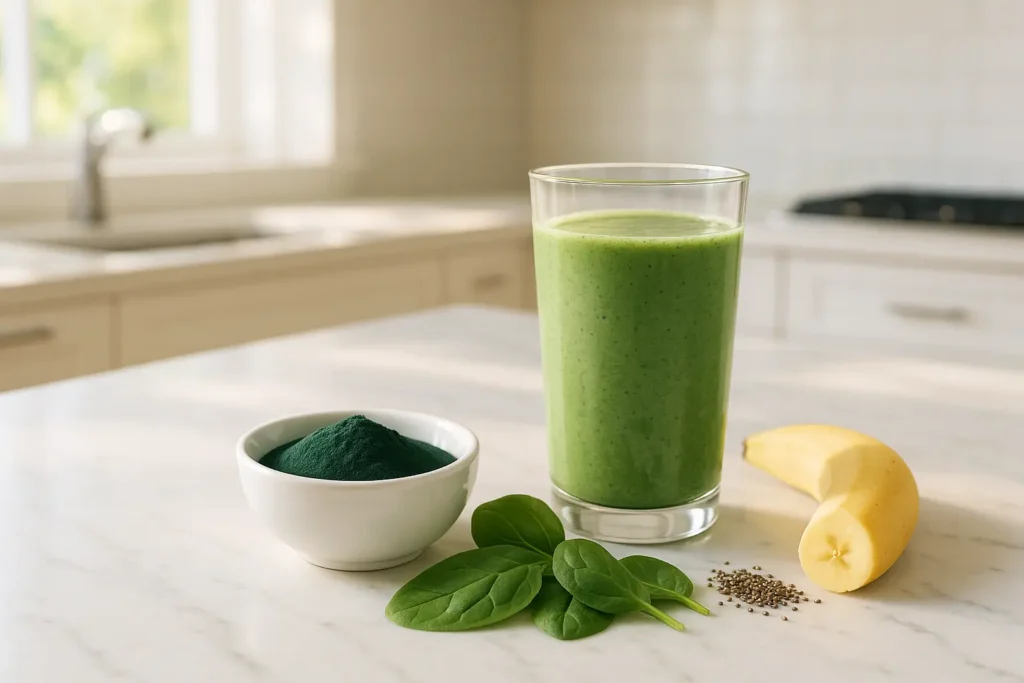
Looking for a natural food to boost your energy and make up for shortfalls in iron, vitamins or protein? Spirulina, a blue-green microalga recognised by the WHO as a « superfood », concentrates up to 70% protein, 80% beta-carotene and iron that is absorbed 2 to 3 times better than from meat, with antioxidants equivalent to a tonne of fruit per kg. This microalga strengthens the immune system, supports weight management by acting as a natural appetite suppressant, and meets the needs of athletes, vegetarians and people prone to anaemia, while also helping to reduce cholesterol and fight fatigue thanks to its magnesium and B vitamins.
👉 Free tool: Calorie requirements – calculate yours in 30 seconds, no sign-up needed.
- What is spirulina, this « superfood »?
- What is the nutritional composition of spirulina?
- What are the main health benefits of spirulina?
- Spirulina: who is it for and in what situations?
- Can spirulina cure illnesses?
- How do you choose and take spirulina well?
- Are there any precautions for use and contraindications?
What is spirulina, this « superfood »?
Spirulina is attracting growing interest for its exceptional nutritional potential. Yet did you know that this « superfood » has a surprising origin?
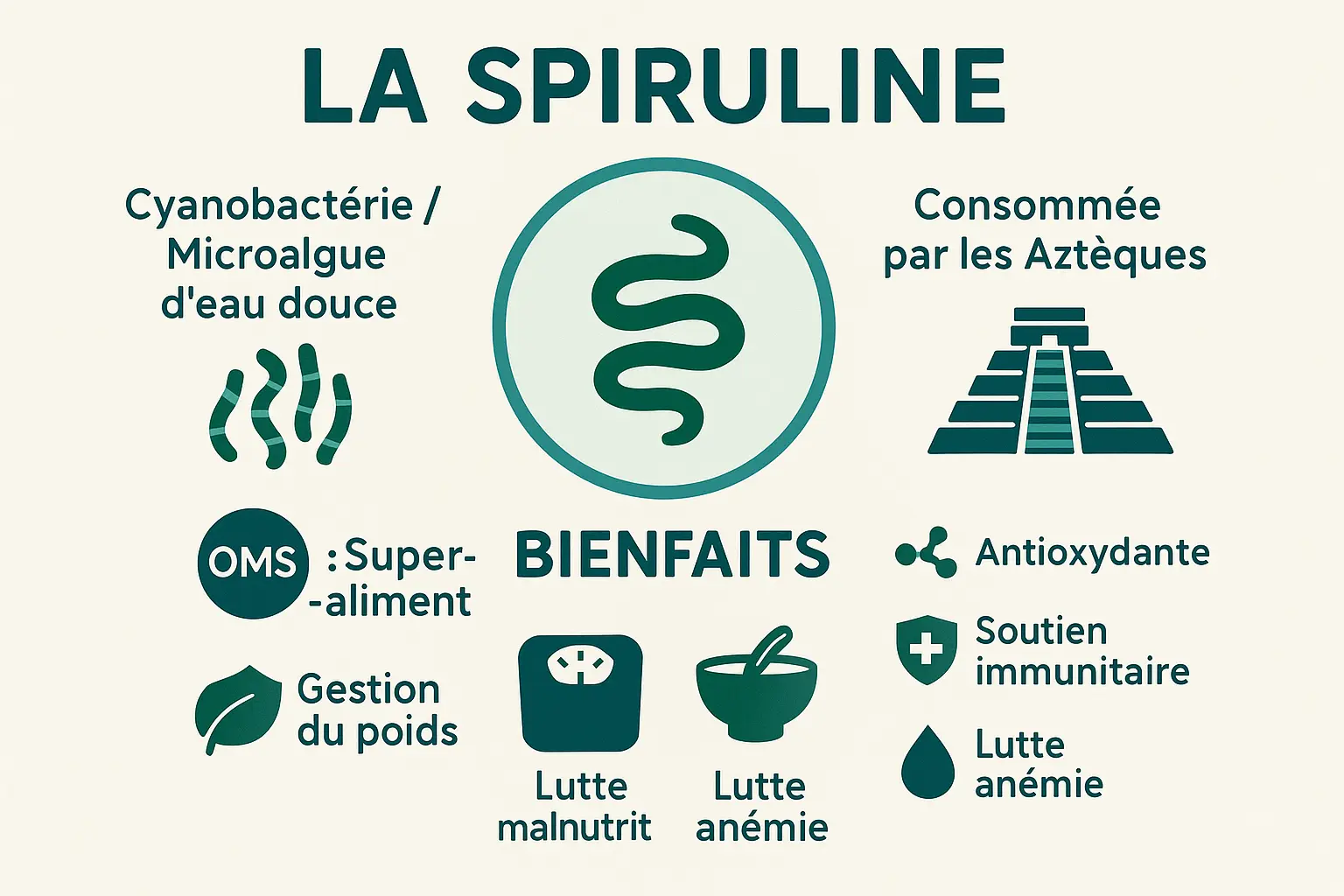
Despite appearances, spirulina is not an alga in the traditional sense. It is in fact a cyanobacterium, a blue-green photosynthetic micro-organism distinguished by the spiral shape visible under a microscope.
This micro-organism has existed for more than 3 billion years. The Aztecs were already using it in the 16th century under the name « tecuitlatl », harvesting it from Mexican lakes to make edible cakes.
The World Health Organization (WHO) has officially recognised it as an ideal « superfood » for fighting malnutrition. It contains around 70% protein, more than meat, and offers an unrivalled wealth of vitamins, minerals and antioxidants.
Its proven benefits include powerful antioxidant properties, support for the immune system, easier weight management, and a beneficial action against malnutrition and anaemia.
What is the nutritional composition of spirulina?
An exceptional concentration of protein
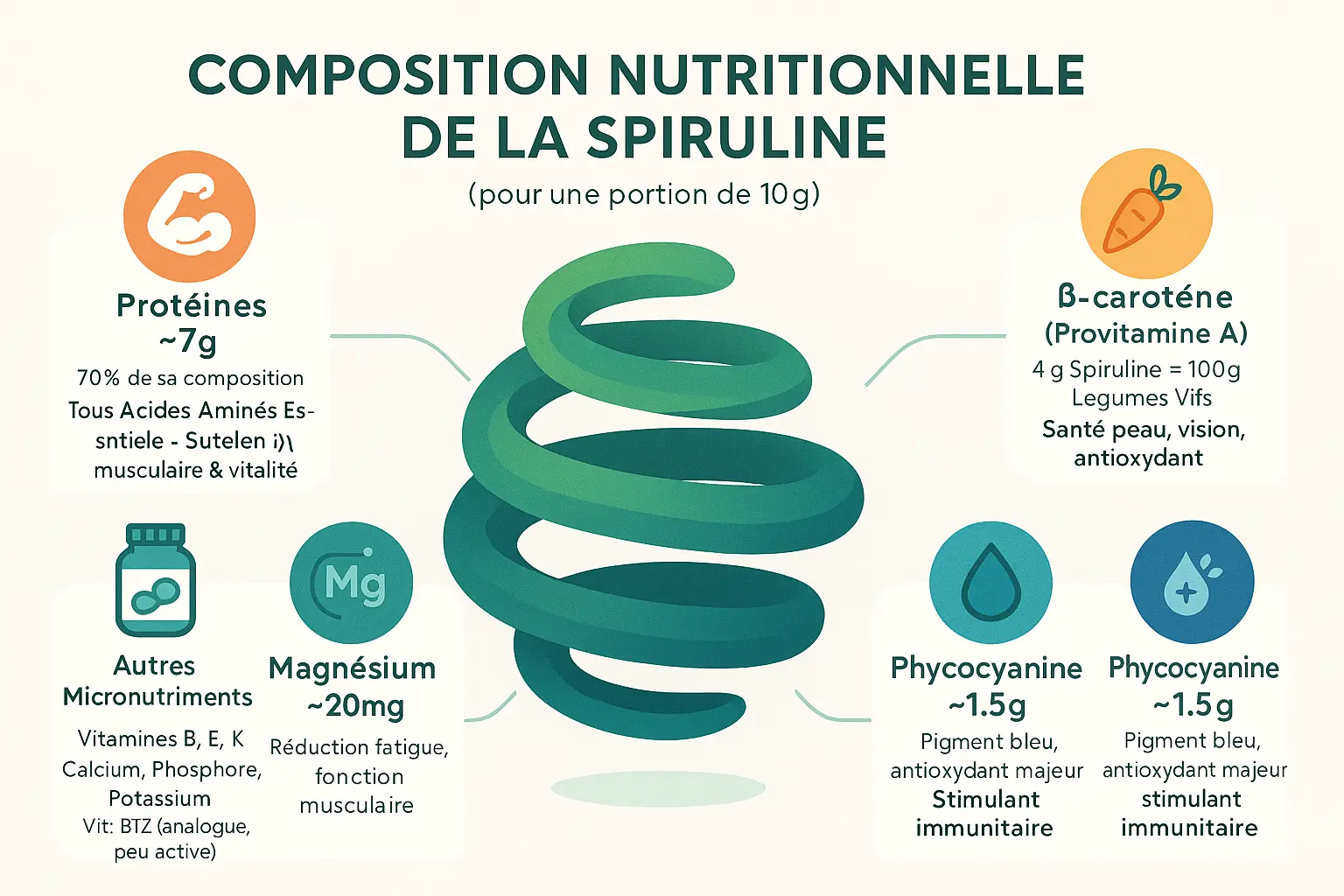
Spirulina contains around 70% protein, making it one of the most concentrated plant sources. It provides all the essential amino acids, which are missing from most plant foods. These amino acids (isoleucine, leucine, lysine, methionine, phenylalanine, threonine, tryptophan, valine) are vital for functions such as protein synthesis. Its bioavailability of 75 to 83% allows rapid absorption thanks to digestible cell walls, which is ideal for athletes or vegetarians.
A cocktail of vitamins, minerals and trace elements
It provides provitamin A (β-carotene), equivalent to 100 g of brightly coloured vegetables for 4 g of spirulina, as well as B vitamins (B1, B2, B6), E and K. Vitamin B1 contributes to energy metabolism, B2 protects cells from oxidative stress, and B6 supports the nervous system. In terms of minerals, it is rich in bioavailable iron (absorbed 2 to 3 times better), calcium, magnesium and potassium. Its iron stimulates the production of haemoglobin, which is useful against anaemia. Its vitamin B12 is mostly inactive (83%), which is not enough to meet your needs, especially for strict vegetarians.
Unique pigments and fatty acids
Phycocyanin acts as an antioxidant via the SOD enzyme, neutralising free radicals. Chlorophyll, a molecule similar to haemoglobin, stimulates red blood cell production and detoxifies the liver by capturing heavy metals. Gamma-linolenic acid (GLA), an omega-6, reduces chronic inflammation and the risk of atherosclerosis by regulating cholesterol levels.
| Nutrient | Approximate amount | Main associated benefit |
|---|---|---|
| Protein | ~7 g | Muscle support and vitality |
| Iron | ~2.8 mg | Helps fight anaemia and fatigue |
| β-carotene (provitamin A) | ~17 mg | Skin health, vision, antioxidant |
| Phycocyanin | ~1.5 g | Powerful antioxidant (via SOD) and immune stimulant |
| Gamma-linolenic acid (GLA) | ~100 mg | Regulation of inflammation and cardiovascular health |
| Vitamin B12 (analogue) | ~3 mcg | Note: poorly active form (83% inactive analogues), does not replace supplementation |
| Magnesium | ~20 mg | Reduced fatigue, muscle function |
What are the main health benefits of spirulina?
A powerful antioxidant shield
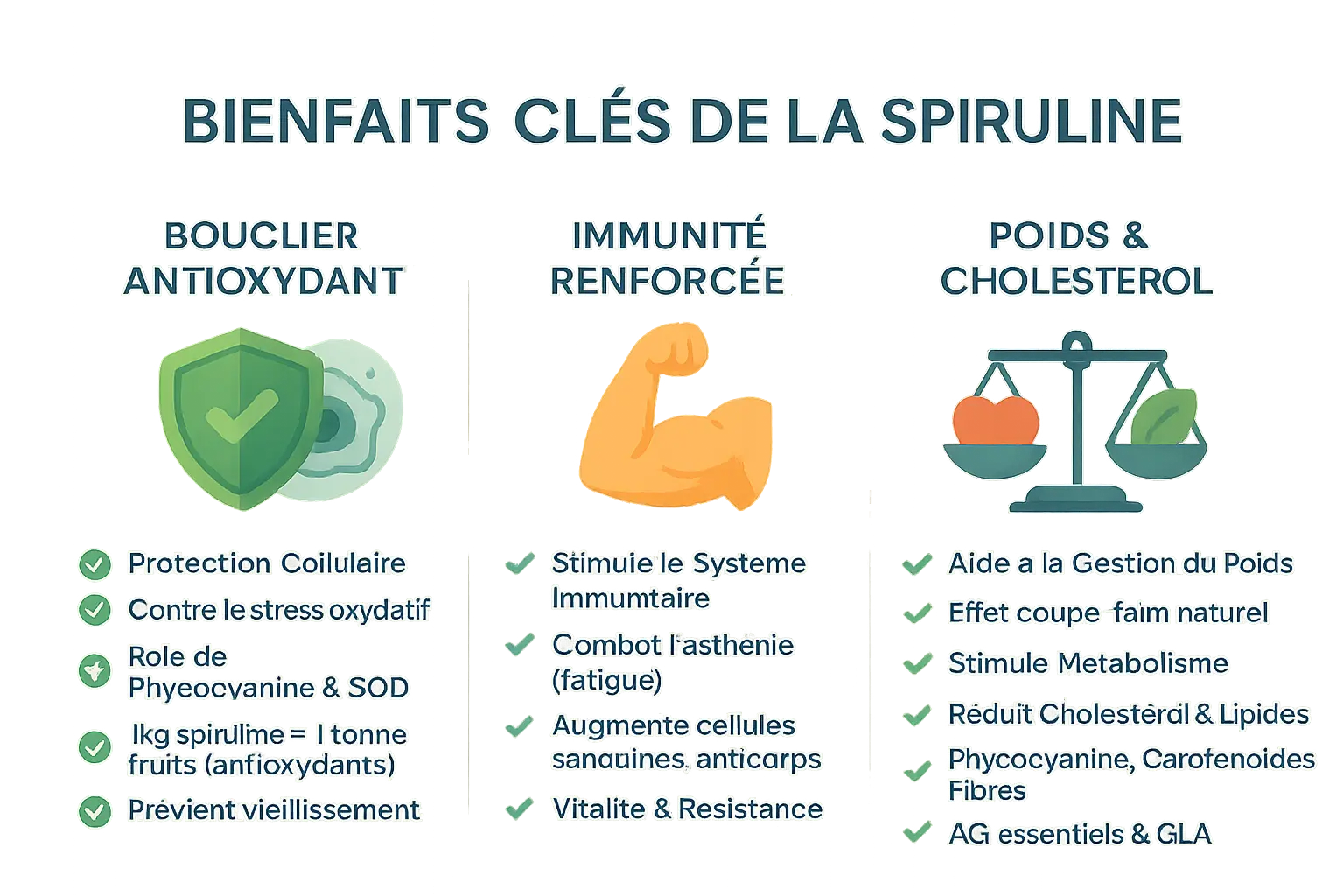
Spirulina protects cells against oxidative stress thanks to phycocyanin and the enzyme SOD (superoxide dismutase). A kilogram of spirulina can contain as many antioxidants as a tonne of fruit, an asset against cell damage. These compounds activate mechanisms such as the NRF2 pathway, regulating antioxidant enzymes (SOD, catalase) via the gut microbiota. C-phycocyanin, by modulating the microbiota, reduces pro-inflammatory bacteria such as Enterococcus faecalis, thereby lowering inflammation (IL6 and MCP1 markers). This synergy between the microbiota and gut metabolism strengthens the natural defences.
A natural immune system booster
Spirulina strengthens immunity by increasing the production of white blood cells, antibodies and cytokines. It activates macrophages via the TLR4 receptor, which is crucial for fighting infections and pathogens. In athletes, it stabilises the levels of leucocytes and monocytes affected by intense training. Studies show that it improves the immune response in people with chronic fatigue or dermatomyositis, by stimulating IFNγ and TNFα. It also modulates acute allergic reactions, providing immune balance.
Help with weight and cholesterol management
Spirulina limits cravings thanks to its high protein content (60-75%), which promotes satiety. Its fibre and amino acids stimulate metabolism, making weight loss easier within a healthy approach. For cardiovascular health, it reduces LDL cholesterol by 10.5% in 12 weeks (5 g/day) and raises HDL by 5%. GLA and omega-3 lower triglycerides by 20 to 30%, limiting the risk of atherosclerosis. It also improves endothelial function through the production of nitric oxide, dilating blood vessels and regulating blood pressure via GLA.
A solution for malnutrition and anaemia
Recognised by the WHO as a strategic food, spirulina fights malnutrition thanks to its nutritional density (protein, iron, vitamins). Its iron, 2 to 3 times more absorbable than that in vegetables or meat, corrects anaemia in pregnant women and older people. Ideal for vegetarians, it combines a complete supply (vitamins B12 and E, beta-carotene) with immune support, which is useful for deficiencies or vegetarian diets. Unlike conventional iron supplements, it avoids digestive upset thanks to its natural form.
Spirulina: who is it for and in what situations?
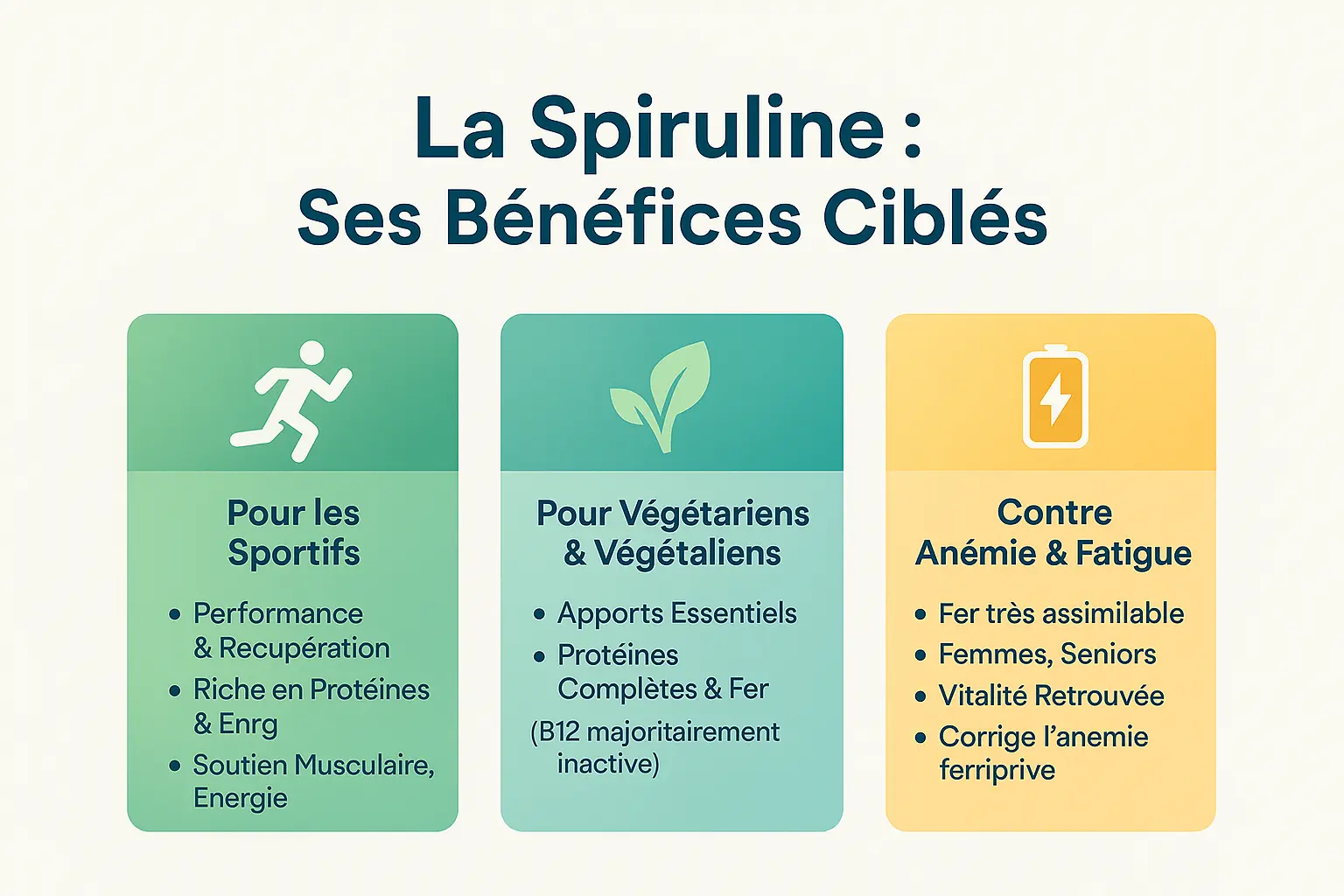
For athletes: improving performance and recovery
Spirulina, rich in protein (up to 70%) and iron, preserves muscle mass and speeds up recovery. One study shows a 9.5% improvement in VO2max after 8 weeks of supplementation (6 g/day), compared with +1.3% for placebo. It also reduces markers of muscle damage such as creatine kinase.
Its antioxidant, phycocyanin, limits oxidative stress and inflammation after exercise. Research on rugby players confirms its ability to protect muscles after intense training. For best results, choose a quality spirulina with at least 10% phycocyanin.
For vegetarians and vegans: filling the gaps
For meat-free diets, spirulina provides complete protein and iron (30 mg per 5 g). Be careful: 83% of its vitamin B12 is inactive for humans. ANSES, the French food safety agency, states that it does not replace reliable B12 supplementation for vegans.
Its non-haem iron is absorbed 6.5 times better than that from plant foods. This bioavailability makes it an ally in avoiding the deficiencies common in vegetarian diets, especially when no animal products are eaten.
For fighting anaemia and fatigue
Spirulina corrects iron-deficiency anaemia thanks to its highly absorbable iron. In pregnant women, 5 g/day (30 mg of iron) covers the increased needs. Studies show it is effective in reducing fatigue linked to anaemia.
Phycocyanin stimulates red blood cell production, improving oxygenation of the tissues. Magnesium and B vitamins (B1, B2, B6) reinforce this effect by supporting energy metabolism.
- Athletes looking to optimise their energy and recovery.
- People who are tired or recovering from illness.
- Vegetarians and vegans, to top up protein and iron.
- People at risk of iron-deficiency anaemia.
Pregnant women should speak to a healthcare professional before use. Not recommended in cases of haemochromatosis or phenylketonuria. Choose an organic, tested spirulina for quality.
Can spirulina cure illnesses?
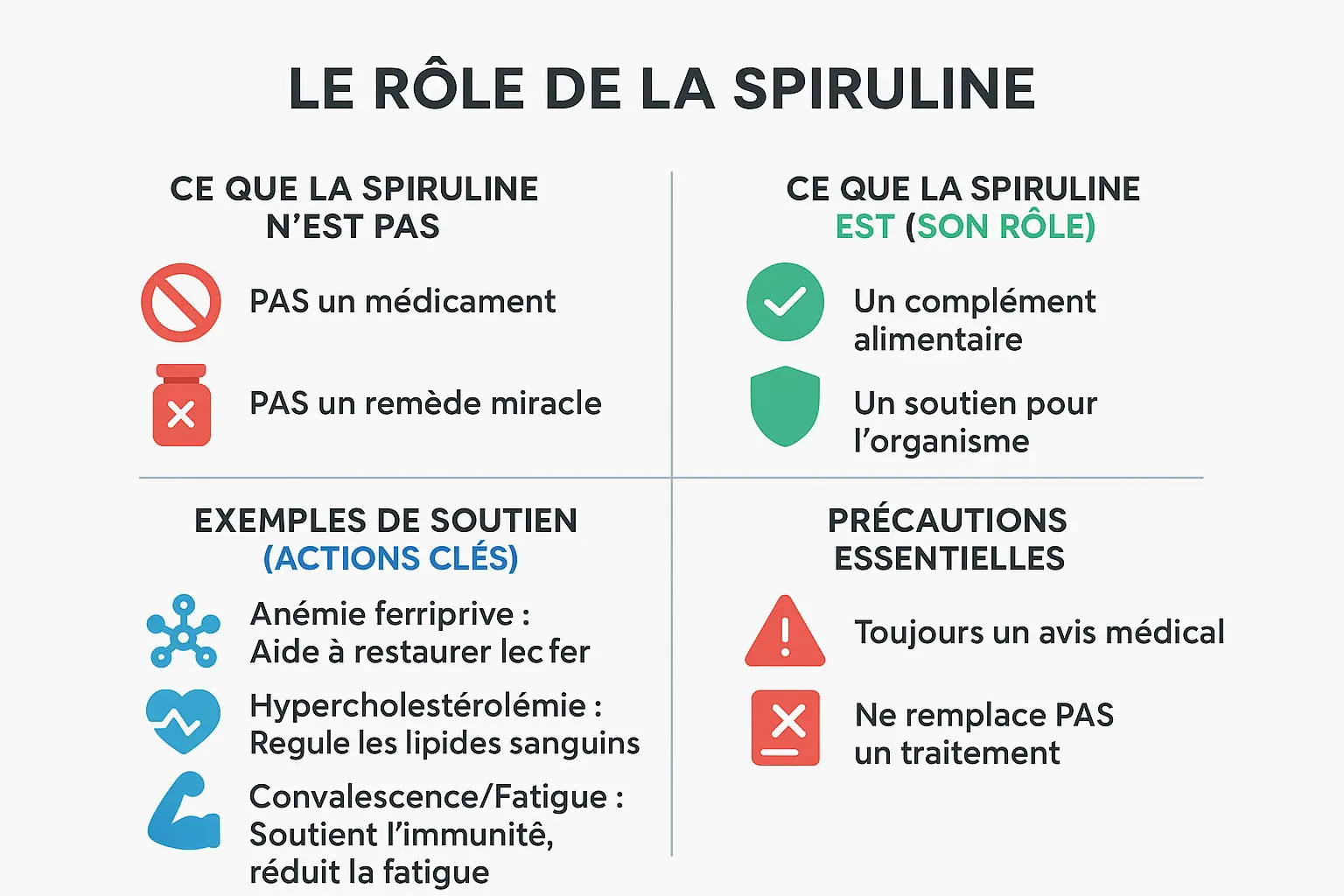
Spirulina is not a medicine and does not « cure » illnesses in the medical sense. It is a supplement that is extremely rich in protein (70% of its composition), iron, B vitamins and antioxidants such as phycocyanin. Its role is to support the body, not to replace treatment.
It can, however, provide specific support in certain cases:
- Iron-deficiency anaemia: Its chelated iron is better absorbed than that in ordinary foods. Studies show that taking 3 g daily for 12 weeks improves haemoglobin levels, particularly in pregnant women or growing children.
- Cholesterol regulation: Phycocyanin and gamma-linolenic acid (GLA) reduce LDL cholesterol (« bad cholesterol ») by 10 to 20% according to some research, while raising HDL (« good cholesterol »).
- Convalescence: Thanks to its antioxidants (SOD, β-carotene) and protein, it reduces fatigue and stimulates cell regeneration. Trials on post-surgery patients show faster recovery with supplementation of 5 g/day.
These effects, although promising, do not replace medical advice if you have a diagnosed condition. People taking anticoagulants should be careful, as spirulina may interact with these treatments. Finally, the quality of the product is crucial: choose organic spirulina that is guaranteed free of heavy metals or toxins.
How do you choose and take spirulina well?
The importance of quality and traceability
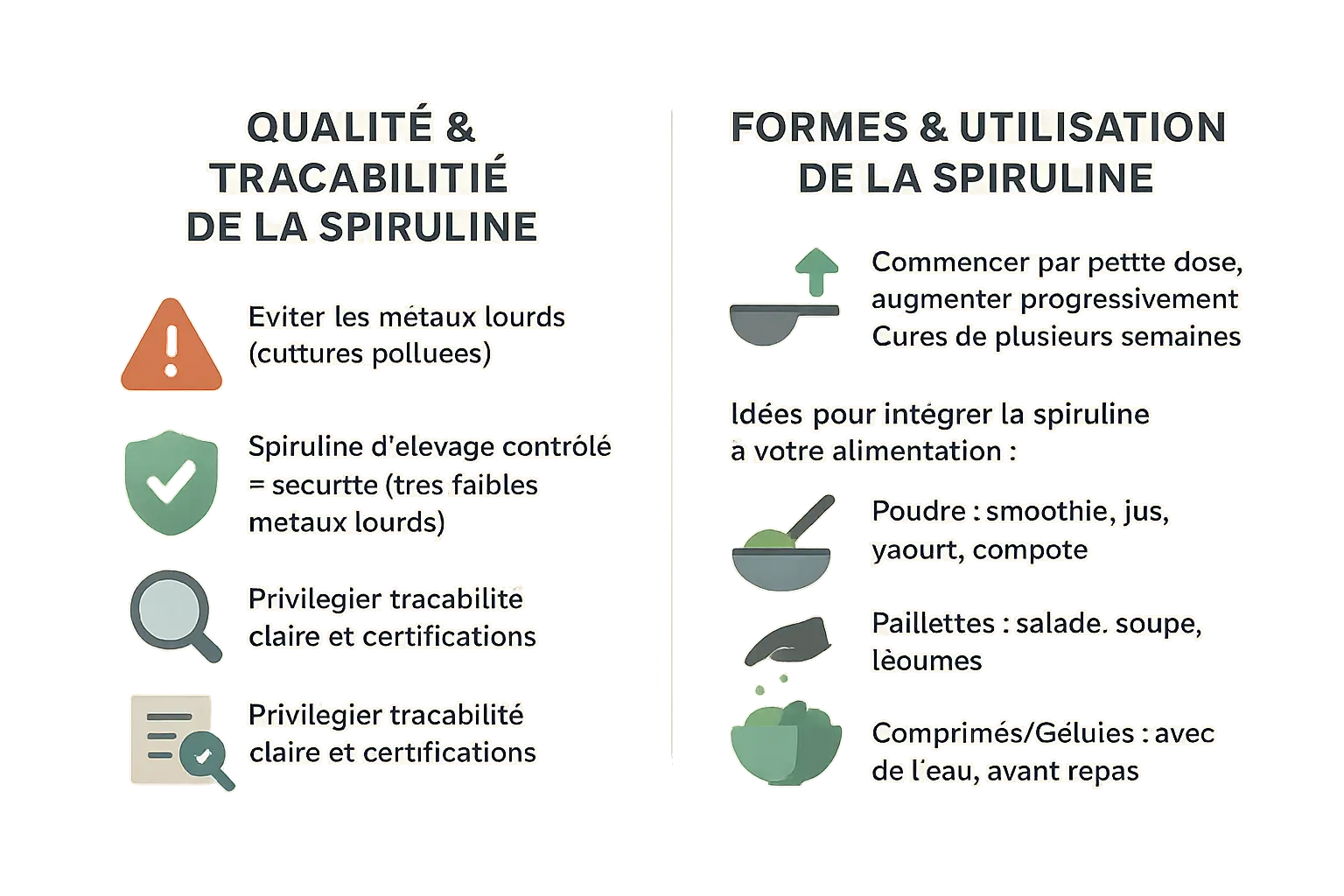
Spirulina can absorb contaminants present in its environment, such as lead or cadmium. In 2012, a Chinese study found that 6 of 8 brands contained up to 820% excess lead, highlighting the risk of uncontrolled production.
Choose spirulina grown in a controlled environment, with testing of the inputs (water, nutrients) and of the finished product. Farmed spirulina, analysed twice a year by accredited independent laboratories, guarantees very low heavy metal levels and negligible toxicity.
Reputable producers avoid polluted areas and opt for closed systems, limiting the risk of contamination. Beware of unclear origins or small-scale production with no traceability, often linked to polluted lakes such as Lake Chenghai in China.
The different forms and tips for use
Spirulina comes as powder, tablets, capsules or flakes. Each format suits your preferences and goals:
- Powder: Ideal if you like making your own preparations. Mix 1 level teaspoon into a smoothie with red berries, fresh orange juice or plain yoghurt.
- Flakes: Handy for savoury dishes. Sprinkle them on a quinoa salad, a vegetable soup or a fish tagine.
- Tablets or capsules: Perfect if you like things simple. Swallow 1 to 2 capsules with a glass of water, ideally at breakfast or before training.
Start with 1 g/day (about 1 tablet) and increase gradually to limit side effects such as digestive upset. Athletes can go up to 10 g/day to improve performance. Avoid taking it late in the day if you are sensitive to phenylalanine.
To maximise iron absorption, take it with foods rich in vitamin C (kiwi, citrus fruit, peppers). Opt for courses of 3 weeks to 3 months, with breaks to avoid habituation. Speak to a healthcare professional if you are pregnant, taking anticoagulants or affected by haemochromatosis.
Are there any precautions for use and contraindications?
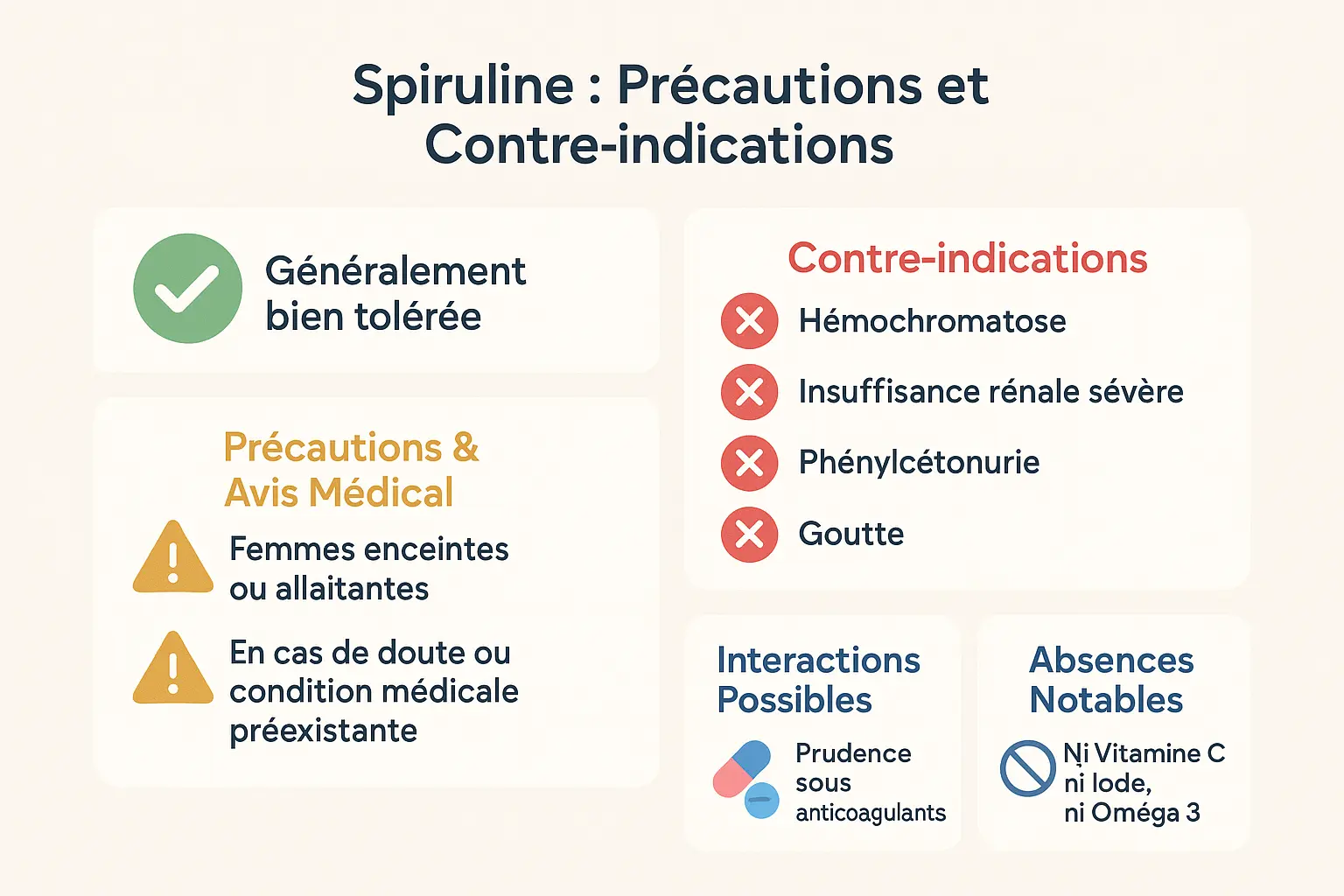
Spirulina is generally well tolerated, but some precautions are needed for safe use. Here are the key points to know.
Contraindications to respect
- Haemochromatosis: Avoid spirulina if you have excess iron in your blood, as it is rich in absorbable iron.
- Severe kidney failure: The protein and minerals in spirulina can worsen kidney complications.
- Phenylketonuria: This condition prevents the body from eliminating phenylalanine, an amino acid found in abundance in spirulina.
- Gout or hyperuricaemia: Its nucleic acid content can raise uric acid, triggering gout attacks.
Specific precautions
- Pregnant or breastfeeding women: Medical advice is recommended, even though no formal contraindication has been established.
- Anticoagulant treatment: Spirulina contains vitamin K1, which can interact with blood thinners. Speak to a healthcare professional.
- Strict salt-free diet: With 2 g of sodium per 100 g, it can affect low-sodium diets.
- Absence of certain nutrients: It provides no vitamin C, iodine or omega-3, which must be made up from other sources.
If you are unsure or have a pre-existing medical condition, always speak to a doctor before adding spirulina to your diet.
 Spirulina, recognised as a superfood, offers exceptional nutritional richness. Its protein, highly absorbable iron and antioxidant properties strengthen the immune system, make weight management easier and fight malnutrition and anaemia. Choose a quality spirulina from controlled farms, and seek medical advice for optimal, safe use.
FAQ
What are the beneficial effects of spirulina on the body?
Spirulina has several beneficial effects on health. It strengthens the immune system thanks to phycocyanin, a powerful antioxidant. It **supports vitality by providing protein** (around 70% of its composition) and easily absorbed iron (2 to 3 times better than the iron in vegetables or meat). It contributes to better weight management thanks to its natural appetite-suppressing effect and its action on metabolism. It also supports cardiovascular health by helping to regulate cholesterol and blood pressure thanks to its essential fatty acids. Finally, it protects cells against oxidative stress, which may help slow cellular ageing.
What are the main health benefits of spirulina?
The 10 main benefits of spirulina are:1. It is an exceptional source of complete protein (70% of its composition), containing all the essential amino acids.2. It strengthens the immune system thanks to its antioxidants (phycocyanin, beta-carotene, vitamin E).3. It helps fight anaemia thanks to its highly bioavailable iron.4. It contains essential fatty acids such as gamma-linolenic acid, which regulates inflammation and improves cardiovascular health.5. It provides B vitamins, including B12 (in the form of analogues), which contributes to red blood cell synthesis.6. It supplies essential minerals such as calcium, magnesium and potassium for the proper functioning of the nervous and muscular systems.7. It boosts energy and improves physical recovery, making it an ally for athletes.8. It supports gut health thanks to its prebiotic properties.9. It helps eliminate heavy metals from the body, contributing to natural detoxification.10. It improves weight management by reducing cravings and regulating appetite thanks to its nutritional richness.
Is it recommended to take spirulina every day?
Taking spirulina daily is generally well tolerated and even recommended to make the most of its nutritional benefits. It is considered a natural, non-medicinal food that can easily be added to your daily diet. The usual dose is between 3 and 5 g a day for an average adult, with the option of going up to 10 g for athletes or during periods of fatigue. It is advisable to start with a small dose (1 g/day) to get used to it and monitor how your body responds. People on medical treatment, particularly anticoagulants, should speak to a doctor before starting daily supplementation.
Can spirulina replace medical treatment?
No, spirulina cannot be considered a remedy or a medical substitute. It is a supplement and a superfood, not a medicine. It does not cure illnesses in the therapeutic sense, but can support the body in certain conditions. It can help manage nutritional imbalances, such as iron-deficiency anaemia, or help people who are recovering from illness. It contributes to cholesterol control and blood pressure regulation, but does not replace treatments prescribed by a doctor. If you have a diagnosed condition, it is essential to seek medical advice before using spirulina for therapeutic purposes.
What are the possible side effects of spirulina?
Spirulina is generally well tolerated, but a few side effects can appear, especially at the start. Digestive discomfort (bloating, dark stools) is the most common, often linked to building up the dose too quickly. Headaches can occur, usually temporary, due to its detoxifying effect. It is contraindicated for people with haemochromatosis (excess iron), severe kidney failure or phenylketonuria. If you are on anticoagulant treatment, medical advice is needed because spirulina contains vitamin K, which could interfere with the effect of the medication. It should be avoided by people prone to gout, as its richness in nucleic acids can raise uric acid.
Why can spirulina help you lose weight?
Spirulina supports weight management through several mechanisms. It limits cravings and reduces appetite thanks to its richness in protein and nutrients, which give a feeling of fullness. It stimulates metabolism, which improves fat burning. Its magnesium helps regulate stress, a factor in weight gain for some people. It supports energy and muscle recovery, making exercise easier. Finally, it improves the overall nutritional quality of your diet by filling any gaps, which may reduce compulsive eating. It is important to note that these effects are achieved as part of a balanced lifestyle overall.
Does spirulina have a detoxifying effect on the liver?
Spirulina has detoxifying properties that can support the liver in its cleansing work. It helps with the elimination of heavy metals such as mercury and lead thanks to its phycocyanin. It protects liver cells from oxidative stress, which is beneficial in cases of fatty liver (liver steatosis). Studies have shown that spirulina can improve markers of liver function, but it does not « cleanse » the liver magically. It simply supports its proper functioning and natural regeneration. For the best effect, it should be combined with a balanced diet and a healthy lifestyle.
How does spirulina affect sleep quality?
Spirulina can have variable effects on sleep from person to person. It contains phenylalanine, an amino acid that can have a stimulating effect in some people. For this reason, it is generally advisable to take it early in the day (morning or lunchtime) rather than in the evening. In sensitive people, taking it in the evening could disturb falling asleep or reduce sleep quality. On the other hand, by improving magnesium intake and reducing daytime fatigue, it may indirectly improve overnight recovery. If you have trouble sleeping, it is best to leave a gap between taking it and bedtime.
What time of day is best to take spirulina?
The best time to take spirulina is generally early in the day, either at breakfast or at lunch. This recommendation is explained by its natural energising effect, linked to its richness in protein, iron and phenylalanine. Taking it in the evening could disturb sleep in some people who are sensitive to this stimulating effect. If you are on medical treatment, particularly anticoagulants, it is best to take spirulina at the same time as your meal for better absorption and a more predictable interaction with other foods. Athletes can split the dose across several times during the day, notably before and after training, to optimise energy and recovery.
Read also
Food pages: Blue cheese, Plain yoghurt, Croissant, Pepper, Quinoa, Orange
Recipes to try: Rice, chicken and curry salad, Quinoa, chicken and crunchy vegetable salad, Squash stuffed with quinoa and vegetables