Group · Herbs & spices
Ginger
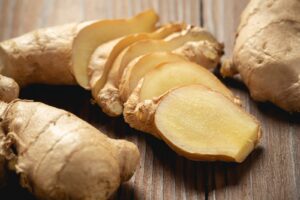
Ginger is the rhizome of a tropical plant, Zingiber officinale, prized for its flavour that is at once hot, lemony and slightly sweet. It comes in several forms: fresh as a fleshy root, dried, crystallised, as juice or ground. It is a staple of Asian and Indian cooking, flavouring savoury dishes as well as desserts and drinks. As for nutrition facts, fresh ginger provides around 33.3 kcal per 100 g, with nearly 3.4 g of carbohydrate, little fat and 2.7 g of fibre. Because it is used in small amounts, its real calorie contribution stays very modest. It fits easily into a balanced diet to lift flavours without excess salt.
Macronutrient breakdown
Nutrition table per 100 g
| Calories | 33 kcal |
| Kilojoules | 139 kJ |
| Protein | 1,1 g |
| Carbohydrate | 3,4 g |
| Fat | 1,1 g |
| Fibre | 2,7 g |
Micronutrients per 100 g
All measured nutrients, ranked by share of the daily reference intake.
- Manganese7 mg350 %
- Potassium320 mg16 %
- Vitamin B60,1 mg7 %
- Magnesium26 mg7 %
- Vitamin E0,75 mg6 %
- Copper0,05 mg5 %
- Phosphorus26 mg4 %
- Iron0,4 mg3 %
- Vitamin B9dietary folate equivalents11,8 µg
See the other 7 nutrients
- Zinc0,24 mg2 %
- Vitamin B50,13 mg2 %
- Vitamin B10,02 mg2 %
- Calcium11 mg1 %
- Omega-6 LA0,13 g1 %
- Total omega-30,03 g1 %
- Vitamin A3,58 µg0 %
Anses Ciqual 2025. Source: Anses, 2025, Ciqual food composition table
Tips
Ginger can be enjoyed in a thousand ways. Fresh, you can grate it finely, slice it or squeeze it for its juice. A teaspoon of grated ginger is often enough to flavour a stir-fry, a marinade or a soup. Peel it with a small spoon, which limits waste of the flesh. As an infusion, a few slices in hot water with a squeeze of lemon make a comforting, low-calorie drink, ideal in winter.
As for nutrition facts, ginger provides fibre, aromatic compounds (gingerols, shogaols) and small amounts of minerals such as potassium and magnesium. Its carbohydrate is concentrated in the root, but the portions used are small, so the impact on the total calories of a dish is minimal. It is a great ally for lifting a slimming recipe without adding fat or sugar.
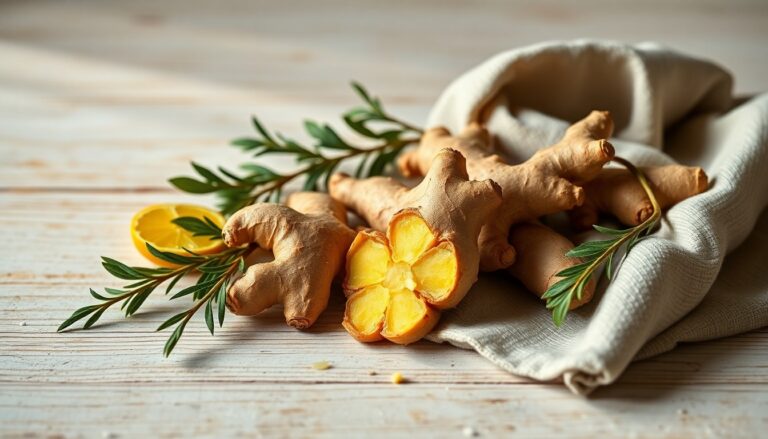
- Storage: keep the fresh rhizome in the fridge wrapped in a cloth, or freeze it grated in portions.
- Pairings: it goes wonderfully with garlic, lemon and other warming spices such as ground turmeric or cumin.
- Cooking: add it at the end of cooking to preserve its aromas, and favour gentle cooking.
For active people, ginger is a useful spice for adding zing to recovery meals without calories. You can add it to flavoured water or a smoothie after exercise, alongside your carbohydrate and protein intake. Slipped into a stock or a dish of steamed vegetables, it makes meals more appetising during a cutting or rebalancing phase. If you plan your eating around training, discover our guidelines on fitness nutrition.
For weight control, fresh ginger remains very useful: used as a seasoning, it is a good replacement for salt and sugar while boosting flavour. Be careful, though, with crystallised ginger or sweetened ginger drinks, which are much higher in added sugar. Favour the fresh root or plain powder.
Want to explore other aromatic spices? Browse the herbs and spices family or compare intakes with the food calorie table to put together tasty, balanced dishes.
Heartburn, pregnancy, anticoagulants, real benefits: everything the European Medicines Agency and the studies say, in ginger: is it dangerous?
Recipes with ginger
See all 14 recipes →
Prawn tom yum soup
Light General Tso’s Tofu
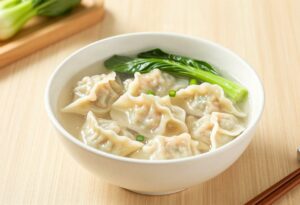
Light wonton soup
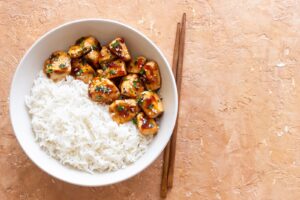
Homemade teriyaki sauce

Lighter beef rendang

Chicken with lemon and olives
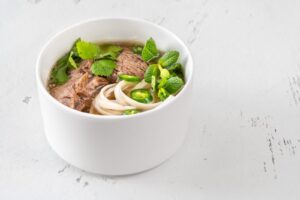
Beef pho
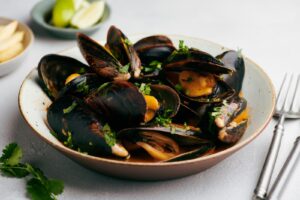
Mussels in curry and coconut milk
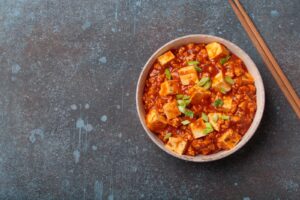
Light mapo tofu
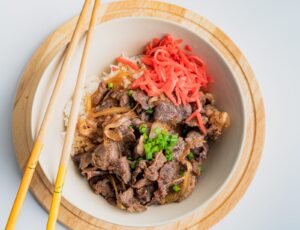
Gyudon (Japanese beef bowl)
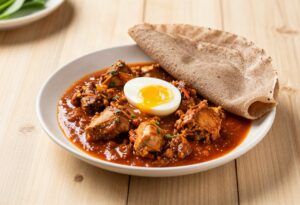
Lighter doro wat (Ethiopian chicken)