Malnutrition: screening and follow-up by a medical team
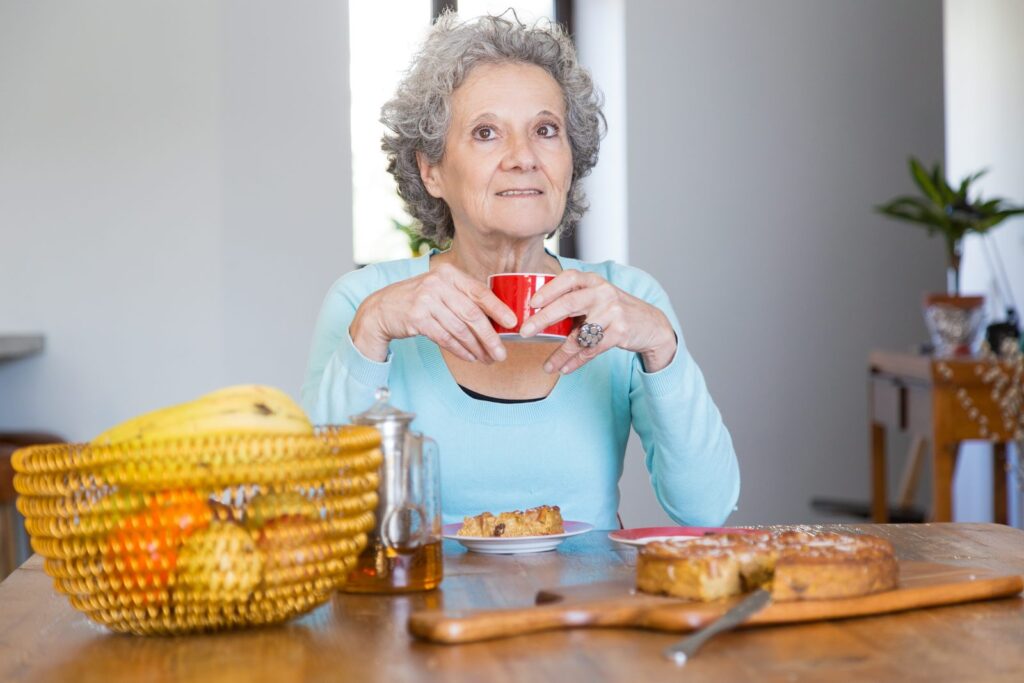
Did you know that malnutrition, often underestimated, puts millions of people at serious risk? This shortfall in nutrients weakens the immune system, increases the risk of falls and fractures, and slows healing. Find out who is most vulnerable (older adults, people with cancer or people in insecure circumstances) and how to act quickly to turn things around. With key figures, practical advice and expert insight, this guide helps you break the spiral of malnutrition, which affects two million people in France, including 40% of oncology patients and isolated older adults.
- What is malnutrition and why is it a concern?
- How can you recognise the warning signs of malnutrition?
- Who is most at risk of malnutrition?
- The malnutrition spiral: a vicious circle that makes everything worse
- What are the risks and real-life consequences of malnutrition?
- How can you prevent and tackle malnutrition?
What is malnutrition and why is it a concern?
A simple definition of malnutrition
Malnutrition is a pathological state that occurs when the body does not receive enough energy or nutrients to function properly. This imbalance forces the body to draw on its reserves, especially muscle and fat. It goes beyond simple weight loss: it also affects the quality of nutrients, such as protein, vitamins and minerals. Even with enough calories, a lack of essential micronutrients can lead to serious deficiencies. For example, an insufficient intake of vitamin B12 or iron weakens the immune system and muscle strength, making health worse.
An underestimated public health problem
In France, nearly two million people are affected by malnutrition, at every age. The problem is often brushed aside, which delays detection. In older adults, symptoms such as tiredness or loss of appetite are frequently put down to normal ageing. Yet malnutrition multiplies the risk of postoperative complications, infections and death, particularly in people with cancer or chronic organ failure. The consequences are severe: a malnutrition spiral sets in, with muscle wasting that weakens the immune defences and increases the risk of falls or hospital admission. Without prompt care, the effects become irreversible.
How can you recognise the warning signs of malnutrition?
Did you know that malnutrition affects nearly 2 million people in France? It affects children, adults who are ill and older people. Spotting the signs early prevents serious complications. In oncology, 40% of patients are affected, which has an impact on recovery after surgery.
The first signs that should alert you
Unexplained weight loss is the main warning signal. Clothes that have become loose, or a 5% drop in weight in one month in older adults, should raise concern. Unusual tiredness, even after a good night’s sleep, is a key sign. It shows up as reduced physical and mental performance, making everyday tasks difficult.
A persistent drop in appetite or skipped meals deserve attention. Mood changes, such as irritability or apathy, often reflect a lack of nutrients. In children, frequent infections or a lack of energy to play should prompt a check on growth.
Different signs depending on the person
| Population at risk | Physical and behavioural signs | Simplified warning criteria |
|---|---|---|
| Older adult | Loss of muscle strength, frequent falls, social isolation, loose clothing, skipped meals | Weight loss > 5% in 1 month |
| Adult with an illness (cancer, etc.) | Loss of appetite, extreme tiredness, visible muscle wasting, difficulty tolerating treatment | Unintentional weight loss, BMI < 18.5 |
| Child | Weight and height curve that stalls, repeated infections, irritability, lack of energy to play | A break in the growth curve |
In older adults, malnutrition shows up as falls or a loss of independence. In people with cancer, a protein deficiency worsens the extreme fatigue linked to treatment, increasing the risks. In children, repeated infections or slower growth point to a deficiency.
The consequences are serious: weakened immune defences (a 4-fold higher risk), postoperative complications and longer hospital stays. Weight loss of more than 15% and a serum albumin level below 35 g/L indicate a poor outlook for survival. Prompt care reduces these risks. Early screening remains the best solution.
For family and carers, keeping track of how much the person eats, their weight and their BMI at each visit is essential. Medical or dietetic advice, for example during France’s national malnutrition awareness week, makes it possible to adjust intakes and preserve quality of life.
Who is most at risk of malnutrition?
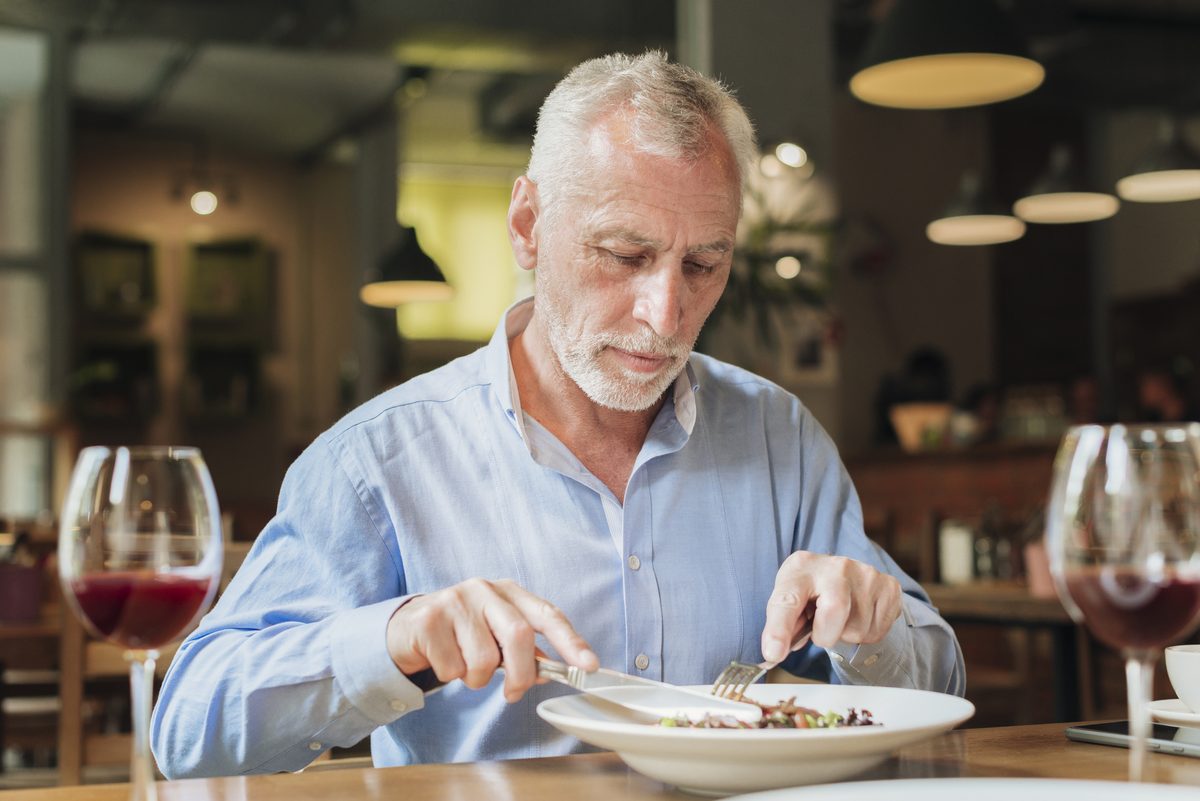
Malnutrition affects millions of people. Older adults, people with serious or chronic illnesses and people in hospital are the most vulnerable. Identifying these groups allows quick detection to limit complications.
Older adults: a population on the front line
Older adults are particularly exposed. Key factors: age-related loss of appetite, dental or swallowing problems, isolation, conditions such as Alzheimer’s disease, or the effects of taking many medicines at once. For example, a loss of taste reduces the desire to eat, even though nutritional needs are unchanged. Energy-dense meals can reduce this risk.
People with chronic or serious illnesses
Cancer or organ failure (heart, kidneys) greatly increases the risk. In oncology, 40% of patients are affected. The tumour and the treatments (chemotherapy) raise energy needs while reducing appetite. This delays recovery, intensifies the toxicity of treatment and triples the average length of hospital stay.
People in hospital and other risk factors
Hospital admission is a critical period: confusion, loss of appetite or too little help at mealtimes make the situation worse. Insecurity and depression also play a part. These are the priority groups:
- Older adults, especially those in care homes.
- People with cancer (40% prevalence).
- People with organ failure (heart, kidneys).
- People in hospital, who face an increased risk of deterioration.
- People in insecure circumstances or social isolation.
Early screening and multidisciplinary care (doctors, dietitians) are essential to break the malnutrition spiral. Adapted meals or nutritional supplements are effective, particularly for older adults and people with chronic illnesses.
The malnutrition spiral: a vicious circle that makes everything worse
How does the mechanism start?
Malnutrition begins with weight loss or muscle wasting, leading to a collapse in protein reserves. These proteins, vital for the immune defences and muscle strength, become insufficient, weakening the body.
In older or ill people, this mechanism is easily triggered: chronic illness, age-related loss of appetite, or difficulty eating (dental problems, isolation) speed up the decline. In France, millions of people are affected. Without care, the situation deteriorates quickly.
A chain of serious consequences
The malnutrition spiral is a vicious circle: the loss of muscle mass weakens the body, encourages infections and falls, and worsens the patient’s overall condition.
Here are the stages of this mechanism:
- Weight loss: an illness or digestive disorder reduces intake, leading to muscle wasting.
- Muscle weakness: sarcopenia doubles the risk of falls in older adults.
- Weakened immune system: a lack of protein reduces antibody production, leaving the body open to infection.
- Hospital complications: an infection leads to hospital admission, where malnutrition gets worse.
- Relapse of the underlying conditions: in people with cancer, malnutrition significantly increases the risk of death.
This cycle feeds itself: each complication further erodes nutritional status. A hospital stay for a fracture can become a point of no return for older adults. At the first signs (a 5% loss of weight in one month), a medical consultation is essential. Solutions exist to break this spiral, such as protein supplements. Acting early means preventing irreversible damage.
What are the risks and real-life consequences of malnutrition?
A weakened immune system
Malnutrition reduces muscle protein reserves, which are essential for producing antibodies. This makes vulnerable people more prone to infections of the chest, urinary tract or skin. In France, 50% of older adults in hospital and 40% of people with cancer are malnourished, which increases the risk of postoperative complications. For example, a malnourished patient is 2 to 3 times more likely to develop a hospital-acquired infection after surgery.
Loss of independence and a poorer quality of life
Sarcopenia, the loss of muscle mass linked to ageing or poor nutrition, makes older people frail. It reduces their physical strength, making everyday movements hard work. Falls, fractures and pressure sores become common, often meaning hospital admission or a loss of independence. According to the data, older adults with stage 2 sarcopenia see their risk of functional impairment multiplied by 2 for men and by 3 for women. This can force them to depend on a carer or a specialist care home.
Worsening illness and higher mortality
Malnutrition makes conditions such as cancer or heart failure worse. It reduces the effectiveness of treatment, lengthens hospital stays and slows wound healing. A geriatric study found that more than half of older patients in hospital are malnourished, with a 40% higher risk of death for those with chronic diseases such as COPD or cirrhosis. For example, a malnourished patient operated on for colon cancer has a 2 times higher risk of dying after surgery than a well-nourished patient.
- Greater susceptibility to infections, particularly pneumonia and urinary tract infections.
- Reduced physical strength and increased risk of falls and fractures, especially in older adults.
- Delayed healing after injury or surgery, with a higher risk of complications.
- Worsening of existing illnesses (cancer, COPD, heart failure) and poorer tolerance of treatment.
- Longer hospital stays and a higher risk of death (up to 50% more) at the same stage of illness.
How can you prevent and tackle malnutrition?
Early screening: the essential first step
Any unexplained weight loss of more than 5% over a few months is a critical signal. Regular weight monitoring is recommended, especially after the age of 60 or in the case of chronic illness. Unexplained tiredness, dry skin or slow healing should raise concern.
It is vital to see a professional as soon as these symptoms appear. Tools such as the PARAD questionnaire (4 questions) allow quick screening. Early intervention limits muscle loss and complications such as infections or falls.
Adapting the diet and staying physically active
To enrich meals, favour cheese, eggs, fats (butter, oil), dried fruit and protein foods (meat, fish). Split the day into 3 meals plus snacks, and avoid light soups at the start of a meal.
- Snacks: full-fat yoghurt, hot chocolate with biscuits, ice cream, a croque-monsieur, quiche or pâté with crispbread.
Suitable physical activity preserves muscle mass. Walking, swimming or stretching, 30 minutes three times a week, reduce the risk of falls in older adults.
The importance of comprehensive care and the resources available
Malnutrition is not inevitable. Regular monitoring, a suitable diet and early care from professionals make it possible to turn things around and improve quality of life.
A multidisciplinary team (doctors, dietitians, physiotherapists) draws up a personalised plan. Oral nutritional supplements (ONS) are used in cases of severe deficiency.
Free resources, such as the platform run by the Collectif de lutte contre la dénutrition (the French campaign group against malnutrition), offer guides, recipes and directories of specialists. Simple exercises from the Institut Rafaël help strengthen muscle tone.
For optimal care, the recommendations of the Haute Autorité de Santé (HAS, France’s national health authority) and the Caisse nationale de solidarité pour l’autonomie (CNSA) guide professionals and patients.
Malnutrition, which affects 2 million people in France, is an underestimated health problem. It makes older adults and frail patients more fragile, leading to infections, falls and death. Early care (diet, physical activity, medical follow-up) makes it possible to break its spiral. Acting fast is essential to reverse this avoidable trend.

FAQ
What are the consequences of malnutrition?
Malnutrition weakens the body by depleting its energy and protein reserves. This lowers the immune defences, increasing the risk of infections (chest, urinary). It causes a loss of muscle mass (sarcopenia), leading to reduced physical strength and a higher risk of falls, fractures and pressure sores. It also worsens existing illnesses, delays healing and lengthens hospital stays. At an advanced stage, it can lead to greater dependence or premature death, particularly in frail people.
What are the signs of malnutrition?
The first signs include unintentional weight loss (for example, clothes becoming too loose), unusual tiredness or a persistent loss of appetite. In older adults, you may also see frequent falls, a loss of independence (difficulty getting up from a chair) or social isolation. In ill patients, intolerance of treatment or visible muscle wasting are indicators. In children, slower growth on the weight and height charts or repeated infections should raise concern. A key threshold is a loss of more than 5% of body weight in one month.
What is severe malnutrition?
Severe malnutrition is a critical state in which energy and protein reserves are largely exhausted. In adults, it is defined by a BMI below 18.5 kg/m², major weight loss (more than 10% in 6 months) or low blood albumin levels (protein < 30 g/L). It comes with serious complications: repeated infections, extreme loss of muscle mass, stunted growth in children, and a higher risk of death. It requires urgent medical care, sometimes with artificial nutrition.
What are the consequences of not eating enough?
Not eating enough leads to an energy deficit and a shortfall in essential nutrients (protein, vitamins). This reduces muscle strength, impairs wound healing and weakens the immune system. In the long term, it worsens chronic illnesses (cancer, heart failure) and increases the risk of post-operative complications. In children, it disrupts physical and cognitive development. In older adults, it speeds up the loss of independence. Studies show that a protein intake below 1 g/kg/day speeds up muscle loss.
What are the possible complications of malnutrition?
Malnutrition causes a range of complications:
- Recurrent infections (bronchitis, pneumonia, pressure sores).
- Deterioration of muscle function (falls, fractures, loss of independence).
- A slower recovery after illness or surgery.
- An increased risk of death at an advanced stage: at the same stage of illness, malnourished patients have a 1.5 to 2 times higher risk of death.
- Metabolic disorders (insulin resistance, vitamin D deficiency).
What are the 12 warning signs of malnutrition?
The 12 key signs to look out for are:
- Unexplained weight loss (for example, 5% in 1 month).
- Clothes or rings that become loose.
- Unusual tiredness or apathy.
- Repeatedly refusing meals.
- Social isolation around mealtimes.
- Difficulty chewing or swallowing.
- A preference for very sweet or very salty foods (altered taste).
- Non-accidental fractures or falls.
- Stunted growth in children.
- Skin wounds that heal poorly.
- Abnormal blood results (albumin < 35 g/L).
- Taking medicines that reduce appetite.
How can you recover from malnutrition?
Recovery relies on two levers:
- An enriched diet: 30-40 kcal/kg/day and 1.2-1.5 g of protein/kg/day, with energy-dense foods (cheese, eggs, cream). Oral nutritional supplements (ONS) are prescribed if necessary.
- Suitable physical activity: 150 minutes/week of muscle-strengthening and endurance exercise.
Multidisciplinary care (doctor, dietitian, physiotherapist) is recommended. The aims are to stabilise weight (target BMI 18.5-25) and reduce complications. Results are visible within 2-3 months if the underlying cause is treated (for example, dental care or a change in medicines).
What are the consequences of being underweight?
Being underweight (BMI < 18.5) often reflects underlying malnutrition. It weakens the respiratory muscles (risk of respiratory failure), reduces immune reserves and delays recovery. In people with cancer, a low BMI is linked to reduced tolerance of chemotherapy. In older adults, it doubles the risk of falls and fractures. Underweight women have a higher risk of osteoporosis. Finally, a chronic energy deficit can affect brain function, with mood or memory problems.
What are the risk factors for malnutrition?
The main risk factors include:
- Older age (altered taste, isolation, swallowing problems).
- Chronic illnesses (cancer, kidney failure, poorly controlled diabetes).
- Long hospital stays (loss of appetite linked to stress or treatment).
- Financial difficulties that limit access to a varied diet.
- Taking many medicines at once (some medicines suppress appetite or impair nutrient absorption).
- Depression or social isolation (loss of motivation to cook or eat).
- Oral and dental problems (pain or difficulty chewing).