Boosting your immunity through diet
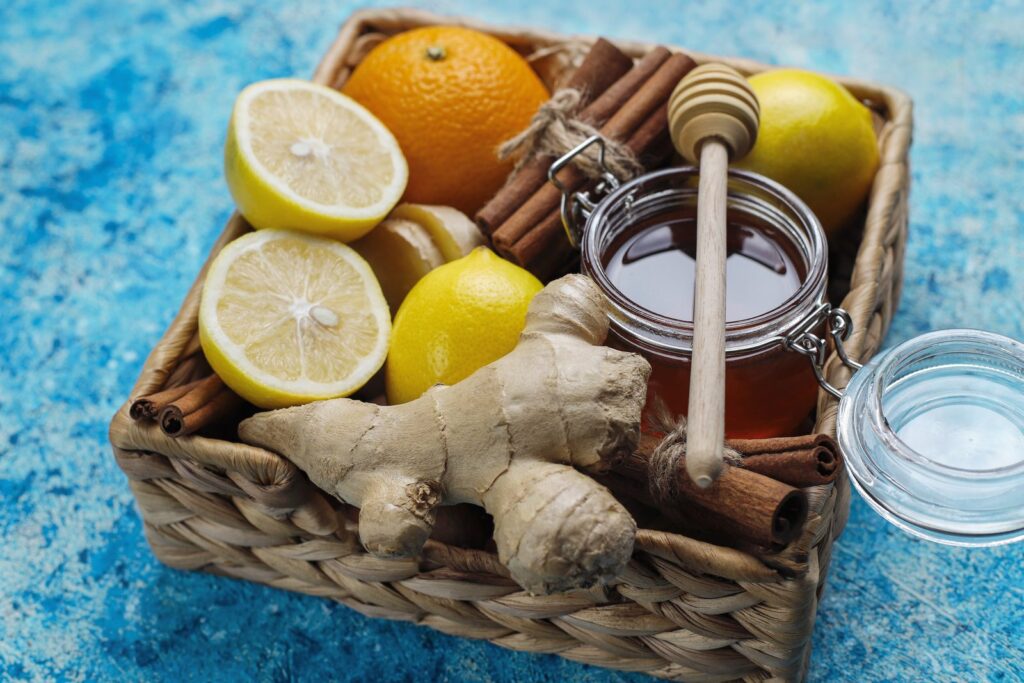
No food « boosts » your immunity beyond normal. What diet can do is prevent the deficiencies that weaken it: the European Union recognises ten nutrients that contribute to the normal function of the immune system, including vitamin C, vitamin D, zinc, selenium and vitamin A. Meeting your needs with fruit, vegetables, pulses, fish and a few fermented foods is enough in most cases. Supplements have shown only limited benefit in people without a deficiency, with a few exceptions that we detail here, with figures to back them up.
👉 Free tool: BMI calculator – calculate it in 30 seconds, no sign-up needed.
What diet can and cannot do
The immune system needs many micronutrients to work: cells that renew quickly, antibodies to produce, barriers (skin, mucous membranes) to maintain. A deficiency, even a moderate one, can hamper it. On the other hand, exceeding your needs does not make you « more resistant ».
European regulation is very clear on this point. Only the following nutrients may carry the claim « contributes to the normal function of the immune system »: copper, folate (vitamin B9), iron, selenium, vitamin A, vitamin B6, vitamin B12, vitamin C, vitamin D and zinc. The word « normal » matters: no food is allowed to promise to « strengthen » or « boost » your defences.
So there is no miracle food, but a varied diet that covers these needs. This is also the principle of a well-built anti-inflammatory diet.
Official requirements for immunity nutrients
| Nutrient | Adult reference (Anses) | Type of reference | Tolerable upper limit |
|---|---|---|---|
| Vitamin C | 110 mg/day (pregnant women 120, breastfeeding women 170) | PRI | not set |
| Vitamin D | 15 µg/day | Adequate intake | 100 µg/day |
| Vitamin A | 750 µg/day (men), 650 µg/day (women) | PRI | 3,000 µg/day |
| Zinc | 9.4 to 14 mg/day (men), 7.5 to 11 mg/day (women) depending on the phytates consumed | PRI | 25 mg/day |
| Selenium | 70 µg/day | Adequate intake | 255 µg/day |
| Iron | 11 mg/day (men, women with light to moderate menstrual losses, postmenopausal women), 16 mg/day (heavy losses, pregnancy, breastfeeding) | PRI | 40 mg/day |
| Vitamin B12 | 4 µg/day | Adequate intake | not set |
For zinc, Anses sets a reference that depends on the phytates in your diet: these compounds, abundant in wholegrain cereals and pulses, reduce its absorption. For a man, the reference rises from 9.4 mg a day for 300 mg of phytates to 14 mg for 900 mg. Vegetarians, who consume more of them, therefore have higher needs.
The key nutrients and where to find them
Vitamin C
Vitamin C is an antioxidant that also promotes the absorption of plant-based iron, Anses points out. It is found in fresh fruit and vegetables, and it breaks down when cooked: Brussels sprouts go from 85 mg per 100 g raw to 55 mg when boiled, according to Ciqual.
- Guava: 228 mg per 100 g
- Blackcurrant: 181 mg
- Fresh parsley: 133 mg
- Raw red pepper: 121 mg
- Kiwi: 81.9 mg
- Strawberry: 54 mg
- Orange: 47.5 mg
With 100 g of raw red pepper, you already cover more than 100% of the recommended 110 mg. The full ranking is in our guide to foods rich in vitamin C.
Vitamin D
This is the nutrient most often insufficient in winter, because the skin makes it under the effect of UVB, and this synthesis depends on the season and latitude, according to Anses. Food sources are scarce: oily fish, cod liver oil, egg yolk. Per 100 g, Ciqual gives 10.8 µg for grilled herring, 7.6 µg for sardines in oil, 4.9 µg for raw farmed salmon and 2 µg for egg. Find out everything in our guide to vitamin D and the one on foods rich in vitamin D.
Zinc
Zinc is found mainly in meat, offal, cheese, pulses, fish and seafood (Anses). Ciqual values per 100 g: raw oysters 21.8 mg, pumpkin seeds 7.8 mg, cooked minced beef 5.1 mg on average, Brazil nuts 4.1 mg, Comté cheese 3.8 mg, cooked lentils 1.25 mg. See our guide to foods rich in zinc.
Selenium
Selenium comes from seafood, meat, eggs and nuts and seeds, in particular Brazil nuts (Anses). Ciqual lists 103 µg per 100 g of Brazil nuts and 97 µg for raw tuna. A 20 g handful of Brazil nuts therefore provides about 21 µg, nearly a third of the recommended 70 µg. There is no need to eat many: Anses sets a safety limit of 255 µg per day. More sources in our guide to foods rich in selenium.
Vitamin A
Anses points to its role in the function of the immune system and in the upkeep of mucous membranes. Only animal products (offal, egg yolk, butter) contain retinol; plant foods such as carrot, sweet potato, pumpkin, mango, melon and leafy green vegetables provide carotenoids that the body converts. Per 100 g, Ciqual gives 1,100 µg retinol equivalent for raw carrot, 873 µg for cooked sweet potato and 557 µg for cooked spinach.
Iron, folate, vitamins B6 and B12
They complete the European list. Anses stresses that vitamin B12 deficiency is particularly common in vegans, and that iron needs rise to 16 mg a day in women with heavy menstrual losses. Our guides on iron and anaemia and vitamin B12 help you take stock.
The microbiome: fibre and fermented foods
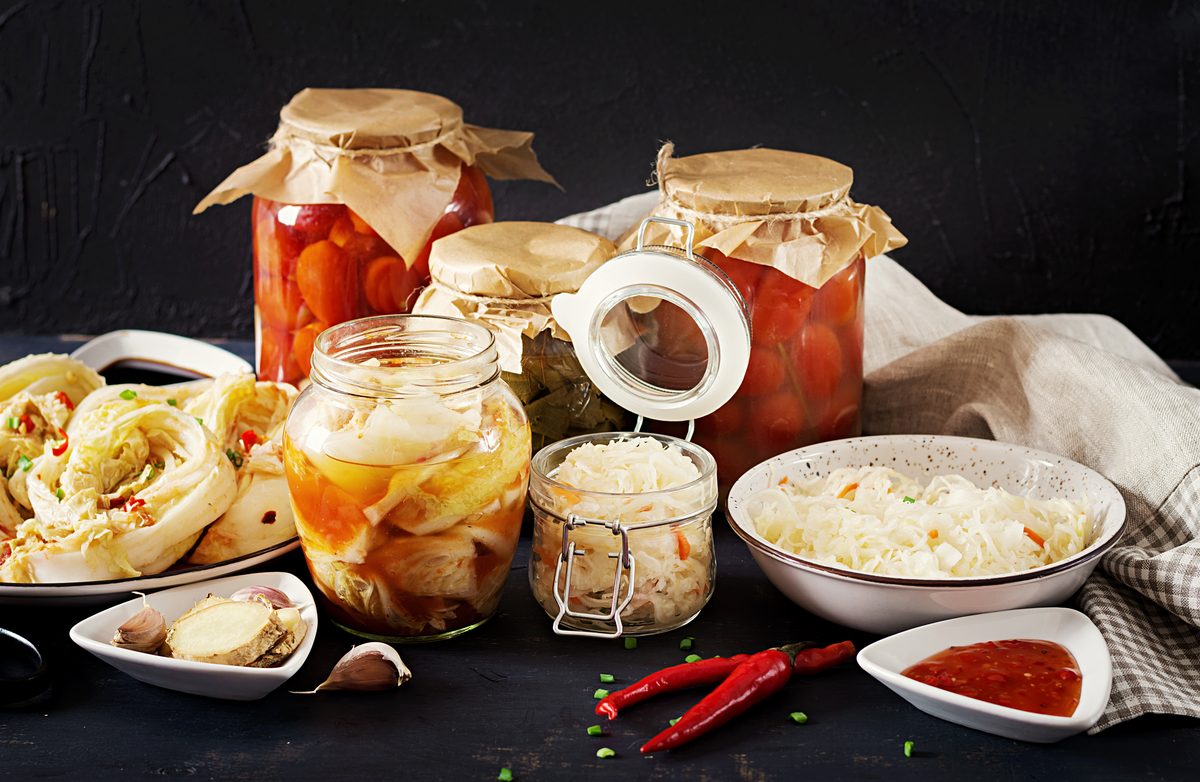
The gut microbiome is in constant dialogue with the immune system. A randomised study published in Cell in 2021 (Wastyk et al.) compared two diets over 17 weeks in healthy adults. The diet rich in fermented foods gradually increased microbiome diversity and reduced markers of inflammation. These foods include yoghurt, kefir, kimchi, lacto-fermented vegetables and kombucha. The high-fibre diet changed the microbiome’s enzymes without changing its diversity over this period. The study involved 18 people per group: it is a solid lead, not definitive proof.
Fibre remains the fuel of the microbiome. Santé publique France recommends 25 g of fibre a day, at least five portions of fruit and vegetables, pulses at least twice a week and at least one wholegrain starchy food a day. Onions, leeks, garlic, artichokes and Jerusalem artichokes provide prebiotic-type fibre. To go further, read probiotics and the microbiome and our guide to dietary fibre.
How much to eat to meet your needs
To make the figures concrete, here is the amount of food that on its own covers an adult’s reference, calculated from Ciqual and the Anses references. The idea is not to eat these amounts of a single food, but to see which ones really « weigh in ».
| Nutrient (adult reference) | Food | Amount that covers 100% |
|---|---|---|
| Vitamin C (110 mg) | Raw red pepper | about 90 g |
| Vitamin C (110 mg) | Kiwi | about 135 g |
| Vitamin C (110 mg) | Orange | about 230 g |
| Vitamin D (15 µg) | Grilled herring | about 140 g |
| Vitamin D (15 µg) | Sardines in oil | about 200 g |
| Zinc (11.7 mg, man, 600 mg of phytates) | Raw oysters | about 54 g |
| Zinc (9.3 mg, woman, 600 mg of phytates) | Cooked minced beef | about 185 g |
| Selenium (70 µg) | Raw tuna | about 72 g |
| Vitamin A (650 µg, woman) | Raw carrot | about 60 g |
Vitamin D clearly stands out as the hardest nutrient to cover from your plate alone: you would need oily fish almost every day. This is why the question of winter supplementation often comes up.
Preserving vitamin C in the kitchen
Vitamin C is fragile. The values in the Ciqual table per 100 g show the scale of losses during cooking:
- Broccoli: 91.2 mg raw, 20.7 mg steamed, 18.1 mg boiled.
- Cauliflower: 48.2 mg raw, 9.7 mg boiled.
- Red pepper: 121 mg raw, 81 mg cooked.
- Spinach: 28.1 mg raw, less than 0.5 mg boiled.
In practice, keep a portion of raw vegetables and fruit every day (crudités, whole fruit, fresh herbs such as parsley) and do not rely only on cooked vegetables for your vitamin C. Our guide to gentle cooking gives more tips for limiting losses.
Who should be more careful
- People with little sun exposure, in winter or living in the north: vitamin D synthesis depends on the season, latitude, age, skin pigmentation and clothing, according to Anses.
- Vegans: vitamin B12 needs to be supplemented, and zinc needs are higher because of the phytates in wholegrain cereals and pulses. See our guide to becoming vegetarian.
- Pregnant and breastfeeding women: Anses references go up for vitamin C (120 then 170 mg), vitamin A (700 then 1,300 µg) and iron (16 mg).
- Endurance athletes: this is the only group in which continuous vitamin C clearly reduced the risk of colds in the Cochrane review.
- Older people who eat little: any drop in appetite reduces overall intake. Our guide to senior nutrition details the warning signs.
Supplements: what the Cochrane reviews say
The « immunity » shelves in pharmacies are well stocked. The major syntheses of randomised trials are more nuanced.
| Supplement | What the trials show | Source |
|---|---|---|
| Continuous vitamin C (at least 200 mg/day) | No reduction in the number of colds in the general population (relative risk 0.97). Duration of colds reduced by 8% in adults and 14% in children. Risk halved (0.48) in marathon runners, skiers and soldiers under intense exertion. | Cochrane, Hemilä 2013 (29 comparisons, 11,306 participants) |
| Vitamin C taken at the start of a cold | No consistent effect on duration or severity. | Cochrane, Hemilä 2013 |
| Daily or weekly vitamin D | Acute respiratory infections reduced (odds ratio 0.81), with a much stronger effect in people with severe deficiency (0.30). No effect with large, infrequent doses. | Martineau, BMJ 2017 (25 trials, 11,321 participants) |
| Zinc for prevention | Little or no reduction in the risk of colds (0.93). | Cochrane, Nault 2024 (34 studies, 8,526 participants) |
| Zinc at the start of a cold | Duration possibly reduced by about 2.4 days, low-certainty evidence, with more mild side effects. | Cochrane, Nault 2024 |
| Probiotics | Fewer people with at least one acute upper respiratory tract infection (0.76), fewer antibiotics prescribed for these infections (0.58). Low to moderate certainty, strains and doses vary widely. | Cochrane, Zhao 2022 (23 trials, 6,950 participants) |
The authors of the vitamin C review conclude that routine supplementation « is not justified » in the general population. The European Union has also authorised one specific claim: 200 mg of vitamin C per day, on top of the recommended intake, contributes to the normal function of the immune system during and after intense physical exercise. For vitamin D, supplementation is something to discuss with your doctor, especially in winter or if you go outdoors little. Our comparisons of vitamin C and zinc detail the products.
A typical day for your defences
- Breakfast: plain yoghurt or kefir, rolled oats, a kiwi and a few red berries, a small handful of walnuts.
- Lunch: raw red pepper and carrot sticks with parsley, a fillet of sardines or mackerel, lentils, a piece of fruit.
- Snack: an orange and a spoonful of pumpkin seeds.
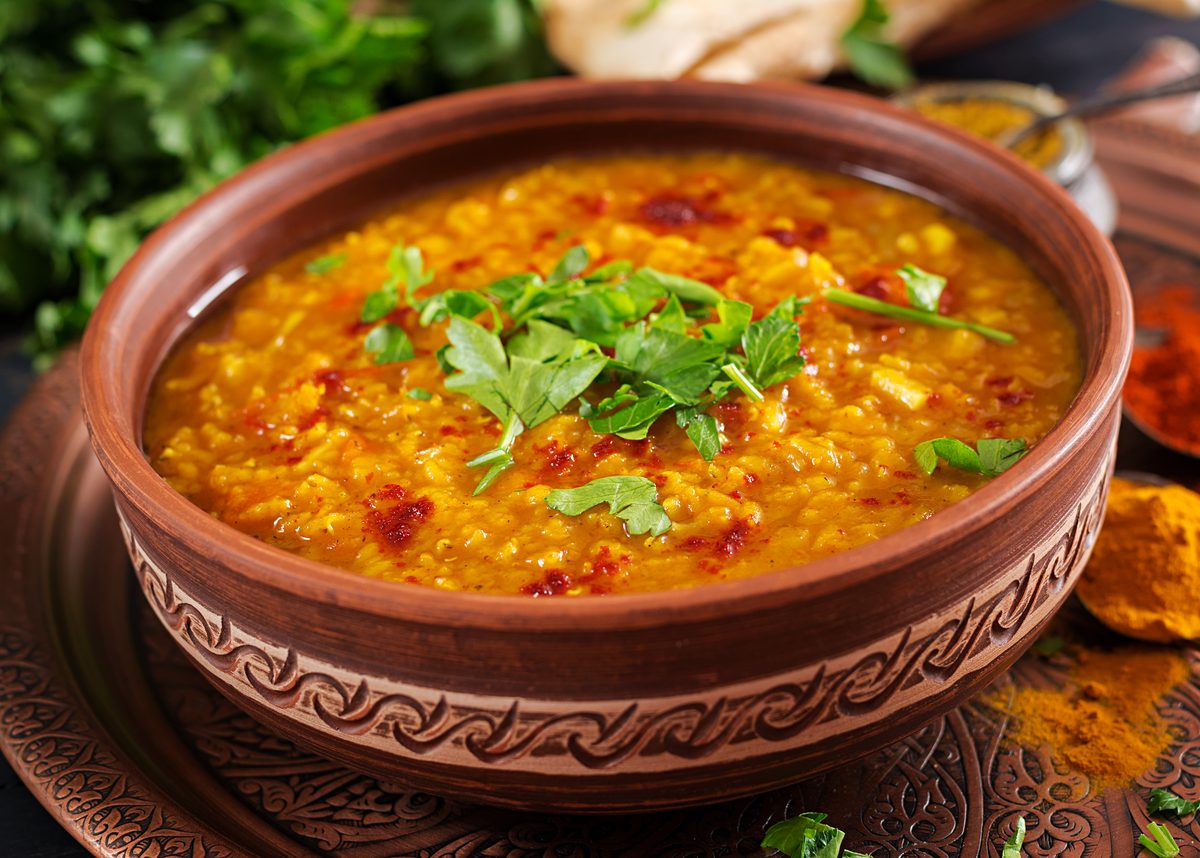
- Dinner: carrot and ginger soup, then a coconut red lentil curry with a little lacto-fermented cabbage on the side.
Over the week, aim for fish twice, one of them oily, vary the colours of your vegetables and include fermented foods several times. The green spinach and pineapple smoothie and our anti-inflammatory recipes complete the list.
Common myths about immunity
- « A course of vitamin C prevents colds. » Not in the general population, according to the 2013 Cochrane review: the risk of catching a cold did not fall. It shortens them slightly when taken continuously.
- « The more I take, the better protected I am. » False. Anses sets safety limits: 100 µg of vitamin D, 3,000 µg of vitamin A, 25 mg of zinc and 255 µg of selenium per day for adults.
- « Turmeric and echinacea strengthen your defences. » Anses in fact issued a warning in April 2020: certain anti-inflammatory plants (notably turmeric, echinacea, devil’s claw, willow, meadowsweet, birch, poplar, liquorice, cat’s claw and boswellia) may weaken the immune response during an infection. In the context of Covid-19, it advised stopping these supplements at the first symptoms. Its experts point out that inflammation should only be fought when it becomes excessive.
- « One superfood is enough. » No single food covers all ten immunity nutrients on its own. Our guide to superfoods decodes the marketing.
- « Antioxidants in capsules protect better than fruit. » The authorised claims relate to specific nutrients and normal needs, not high doses. See our guide to antioxidant foods.
Precautions
- Vitamin A and pregnancy: the Anses safety limit is 3,000 µg per day for adults. During pregnancy, ask for advice before taking any supplement. Our guide to eating during pregnancy takes stock.
- Zinc lozenges: the Cochrane review notes more non-serious side effects when it is used as a treatment; those it looked for include a bad taste, loss of smell, vomiting, stomach cramps and diarrhoea.
- Chronic inflammatory disease: Anses recommends that people affected ask their doctor’s advice before continuing a supplement based on anti-inflammatory plants.
- Repeated infections, persistent fatigue, weight loss: see a doctor. A deficiency (iron, vitamin D, B12) or undernutrition can be detected by a blood test or a clinical examination.
Frequently asked questions
What foods should I eat when I have a cold?
No food cures a cold. Keep eating a varied diet, drink enough and favour fruit and vegetables rich in vitamin C. Taken continuously before the cold, vitamin C slightly reduces its duration according to the Cochrane review, but taken at the start of symptoms, it has not shown a consistent effect.
Should I take vitamin D in winter?
The skin makes little of it in winter and foods contain little. The meta-analysis by Martineau et al. shows a benefit on respiratory infections, especially in people with severe deficiency and with daily or weekly doses. The decision is made with your doctor, who can check your status.
Do probiotics strengthen immunity?
The 2022 Cochrane review finds fewer upper respiratory tract infections and fewer antibiotics in people who take them, with low to moderate certainty. Strains and doses vary greatly from one product to another. Fermented foods are an interesting alternative.
How much fruit and veg a day for immunity?
The official guideline is at least five a day, for example three portions of vegetables and two of fruit. Vary the colours to cover vitamin C, carotenoids and folate.
Does intense exercise weaken your defences?
In marathon runners, skiers and soldiers under intense exertion, vitamin C halved the risk of colds in the Cochrane review. The European Union authorises a claim for 200 mg a day on top of the recommended intake, during and after intense exercise. Think about recovery too: see what to eat before and after exercise.
This article is for information only and does not replace the advice of your doctor or a dietitian.
Our sources
- European Commission. Regulation (EU) No 432/2012 establishing a list of permitted health claims (normal function of the immune system; vitamin C and intense exercise), 2012.
- Anses. Nutritional reference values for vitamins and minerals (vitamins A, B12, C, D, iron, selenium, zinc).
- Hemilä H, Chalker E. Vitamin C for preventing and treating the common cold. Cochrane Database of Systematic Reviews, 2013. PMID 23440782.
- Martineau AR, Jolliffe DA, Hooper RL et al. Vitamin D supplementation to prevent acute respiratory tract infections: systematic review and meta-analysis of individual participant data. BMJ, 2017. PMID 28202713.
- Nault D, Machingo TA, Shipper AG et al. Zinc for prevention and treatment of the common cold. Cochrane Database of Systematic Reviews, 2024. PMID 38719213.
- Zhao Y, Dong BR, Hao Q. Probiotics for preventing acute upper respiratory tract infections. Cochrane Database of Systematic Reviews, 2022. PMID 36001877.
- Wastyk HC, Fragiadakis GK, Perelman D et al. Gut-microbiota-targeted diets modulate human immune status. Cell, 2021. PMID 34256014.
- Anses. L’Anses met en garde contre la prise de compléments alimentaires pouvant diminuer la réponse immunitaire, 17 April 2020.
- Santé publique France, Manger Bouger. L’essentiel des recommandations sur l’alimentation (2019 recommendations for adults).
- Anses. Ciqual food composition table 2025.