Bone health: preventing osteoporosis through diet
To keep your bones strong, diet rests on three pillars: enough calcium (950 mg a day for an adult over 25 according to Anses, the French food safety agency), enough vitamin D (15 µg a day) and enough protein. But your plate isn’t everything: weight-bearing physical activity, not being underweight, stopping smoking and cutting back on alcohol count just as much. And contrary to a persistent belief, raising your calcium well beyond your needs does not protect you any further against fractures. Here is what the French national health insurance (Assurance maladie), Anses and the major meta-analyses say, with the foods and amounts that matter.
👉 Free tool: BMI calculator – calculate in 30 seconds, no sign-up.
Osteoporosis in a few figures
The Assurance maladie defines osteoporosis as a generalised skeletal disease, characterised by reduced bone density and a deterioration of the bones’ micro-architecture. Bone becomes more fragile and the risk of fracture increases, particularly at the neck of the femur (hip), the wrist and the vertebrae. These so-called fragility fractures occur after minor trauma, at most a fall from standing height.
- In 2019, nearly 4 million people in France had osteoporosis, or 5.5% of the population, and 484,000 fragility fractures occurred in the same year.
- Around the age of 65, an estimated 39% of women have osteoporosis; at 80 and over, 70%.
- Osteoporosis is two to three times more common in women, but a quarter of fragility fractures occur in men.
- After an osteoporotic vertebral fracture, the risk of a new fracture is 25% within the following year.
It should not be confused with osteoarthritis, which is wear of the cartilage in the joints. Osteoporosis is silent: it causes no symptoms before the first fracture. Diagnosis relies on a bone density scan (DXA), which measures bone mineral density and expresses it as a T-score: above -1, normal density; between -2.5 and -1, osteopenia; -2.5 or lower, osteoporosis.
Bone capital is built early
Bone is a living tissue, constantly remodelled: some cells break down old bone (osteoclasts), others build new bone (osteoblasts). According to the Assurance maladie and Inserm, bone mass increases continuously until about the age of 25. It then stays stable, decreases slightly around 40 to 50, then more markedly. At the menopause, the drop in oestrogen speeds up bone loss for 5 to 10 years.
The higher the peak bone mass reached in early adulthood, the lower the risk of osteoporosis later. This peak depends mainly on genetics, but calcium and vitamin D intakes and physical activity during childhood and adolescence are important factors in maximising it. That is why young people’s diet matters so much: Anses sets calcium needs at 1,150 mg a day between 11 and 17, the highest level of a lifetime. Our guide to teenage nutrition details these needs.
The official requirements for your bones
| Nutrient | Teenagers 11-17 | Adults 18-24 | Adults 25 and over | Tolerable upper intake level (adult) |
|---|---|---|---|---|
| Calcium (mg/day) | 1,150 | 1,000 | 950 | 2,500 |
| Vitamin D (µg/day) | 15 | 15 | 15 | 100 |
| Vitamin K1 (µg/day) | 45 | 79 | 79 | not set |
| Magnesium (mg/day) | 265 to 295 (boys), 225 to 265 (girls) | 380 (men), 300 (women) | 380 (men), 300 (women) | 250 mg from supplements |
| Phosphorus (mg/day) | 640 | 550 | 550 | not set |
For a postmenopausal woman with osteoporosis, the Assurance maladie gives a higher target: 1,000 to 1,200 mg of calcium a day, food and mineral waters included, possibly topped up with a medicine combining calcium and vitamin D.
The European Union recognises that calcium, vitamin D, vitamin K, protein, magnesium, phosphorus, zinc and manganese contribute to the maintenance of normal bones. It has also approved a stronger claim, reserved for women aged 50 and over: “calcium and vitamin D help reduce the loss of bone mineral in postmenopausal women”, provided you reach at least 1,200 mg of calcium and 20 µg of vitamin D a day, from all sources combined.
Calcium: where to find it
Anses cites as the main sources dairy products, pulses, nuts, cereal products, some leafy vegetables, seafood and certain hard waters rich in calcium and magnesium. Contents vary enormously.
| Food | Calcium per 100 g |
|---|---|
| Sesame seeds (whole) | 962 mg |
| Parmesan | 980 mg |
| Emmental | 978 mg |
| Comté | 907 mg |
| Camembert | 439 mg |
| Sardines in oil, drained | 333 mg |
| Tahini (sesame paste) | 284 mg |
| Almonds with skin | 260 mg |
| Raw kale | 254 mg |
| Cooked spinach | 240 mg |
| Dried fig | 167 mg |
| Plain yoghurt | 137 mg |
| Semi-skimmed milk | 121 mg |
| Cooked white beans | 120 mg |
| Plain tofu | 100 mg |
| Calcium-fortified soya drink | 98 mg |
| Hépar mineral water | 54.9 mg (that is 549 mg per litre) |
| Contrex mineral water | 46.8 mg (that is 468 mg per litre) |
| Cooked broccoli | 39 mg |
What the body really absorbs
Content doesn’t tell the whole story. The review by Shkembi and Huppertz (Nutrients, 2021) points out that the share of calcium absorbed varies from less than 10% to more than 50% depending on the food. Calcium bound to oxalates, which are abundant in spinach, stays insoluble and is therefore poorly absorbed. Dairy products have the advantage of supplying a lot of absorbable calcium in a single portion. Weaver et al. (American Journal of Clinical Nutrition, 1999) note for their part that some plant foods provide well-absorbed calcium, but that the amounts of vegetables needed make an exclusively plant-based diet difficult without fortified foods or supplements. The full ranking, portion by portion, is in our guide to foods high in calcium.
Everyday guidelines
- Two dairy products a day: this is Santé publique France’s guideline for adults, for example a plain yoghurt and a piece of cheese. For cheese quantities, read how much cheese a day.
- A calcium-rich water: the Assurance maladie lists calcium-rich mineral waters among the foods to favour. A litre of Hépar provides, according to Ciqual, more than half of the recommended 950 mg.
- Calcium-rich plant foods: kale, almonds, sesame, tofu, white beans, dried figs.
- Without milk: a plant-based drink must be fortified with calcium to come close (98 mg per 100 g compared with 16.8 mg for an unfortified soya drink). See also eating lactose-free.
Vitamin D: the key to absorption
Vitamin D maintains the balance of calcium and phosphorus and allows bones to mineralise. Anses specifies that calcium absorption depends on vitamin D status, and that a deficiency predisposes older people, particularly postmenopausal women, to osteoporosis.
The body makes it in the skin under the effect of UVB. According to Anses, this synthesis depends on latitude, season, age, skin pigmentation, clothing and sunscreen. The Assurance maladie cites the lack of sunshine in winter and older people with reduced mobility among the situations of deficiency.
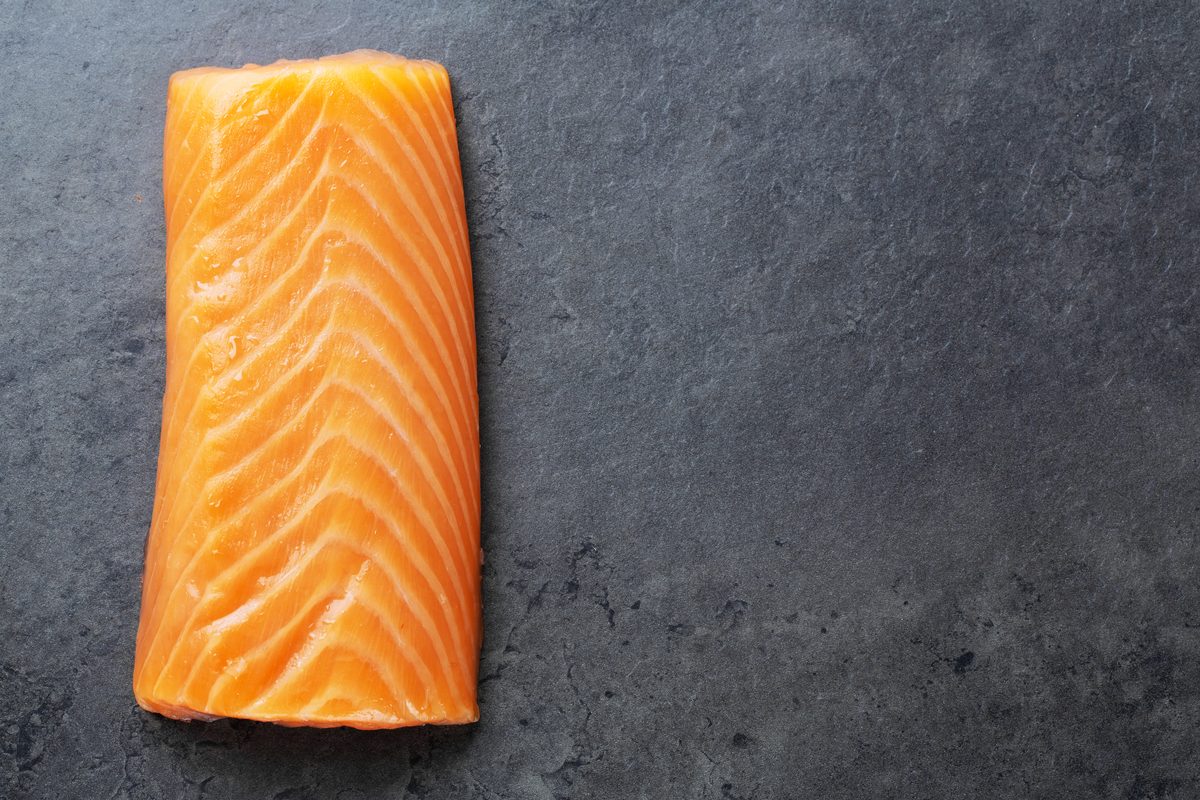
On the plate, sources are few: oily fish, cod liver oil and egg yolk. A few contents from the Ciqual table, per 100 g:
- Farmed rainbow trout, baked: 15 µg, which is a day’s adequate intake.
- Grilled herring: 10.8 µg.
- Baked mackerel: 7.7 µg.
- Sardines in oil: 7.6 µg, with 333 mg of calcium as a bonus thanks to the bones.
- Raw farmed salmon: 4.9 µg.
- Raw egg: 2 µg.
- Plain yoghurt fortified with vitamin D: about 1 µg.
Santé publique France’s guideline of “fish twice a week, one of them oily” therefore helps your bones too. If your doctor detects a deficiency, they may prescribe a supplement; for people treated for osteoporosis, the Assurance maladie gives a maintenance dose of 800 to 1,200 IU a day or spaced doses of 80,000 to 100,000 IU every 2 to 3 months. To find out everything, read our guide to vitamin D and the one on foods high in vitamin D.
Protein and other nutrients
Protein forms the framework of bone. The meta-analysis by the National Osteoporosis Foundation (Shams-White et al., American Journal of Clinical Nutrition, 2017; 16 trials and 20 cohorts) concludes that a higher protein intake has no harmful effect on bone, and shows a slight benefit on lumbar spine density (+0.52%), with no demonstrated effect on the hip or on fractures. The Assurance maladie nevertheless cites a diet high in protein, salt or coffee among those that promote calcium loss in the urine: the point is above all to avoid excess and to keep a sufficient calcium intake. In older people, where there is a risk of undernutrition, not getting enough protein is a more common problem than eating too much. To estimate your needs, use our protein needs calculator.
Vitamin K is also involved: according to Anses, a vitamin K2 deficiency leads to the production of insufficiently carboxylated osteocalcin, a bone protein. Vitamin K1 is found mainly in dark green leafy vegetables (herbs, curly kale, spinach, salad leaves) and certain oils. Magnesium, present in pulses, nuts and wholegrain cereals, completes the picture. See our guide to foods high in magnesium.
What weakens bones
The Assurance maladie lists the lifestyle habits involved in osteoporosis:
- Excessive thinness, with a BMI below 19. Overly restrictive diets are therefore to be avoided, especially after 50. You can check your BMI.
- Lack of physical activity or prolonged immobilisation.
- Excessive smoking and drinking. For alcohol, Santé publique France’s guideline is a maximum of two drinks a day, and not every day.
- A diet high in salt, protein or coffee, which promotes calcium loss in the urine according to the Assurance maladie.
- Certain medicines: high-dose corticosteroids for at least three months, treatments that block sex hormones, proton pump inhibitors or certain antidepressants. Never stop them on your own: talk to your doctor.
Moving: the best stimulus for bone
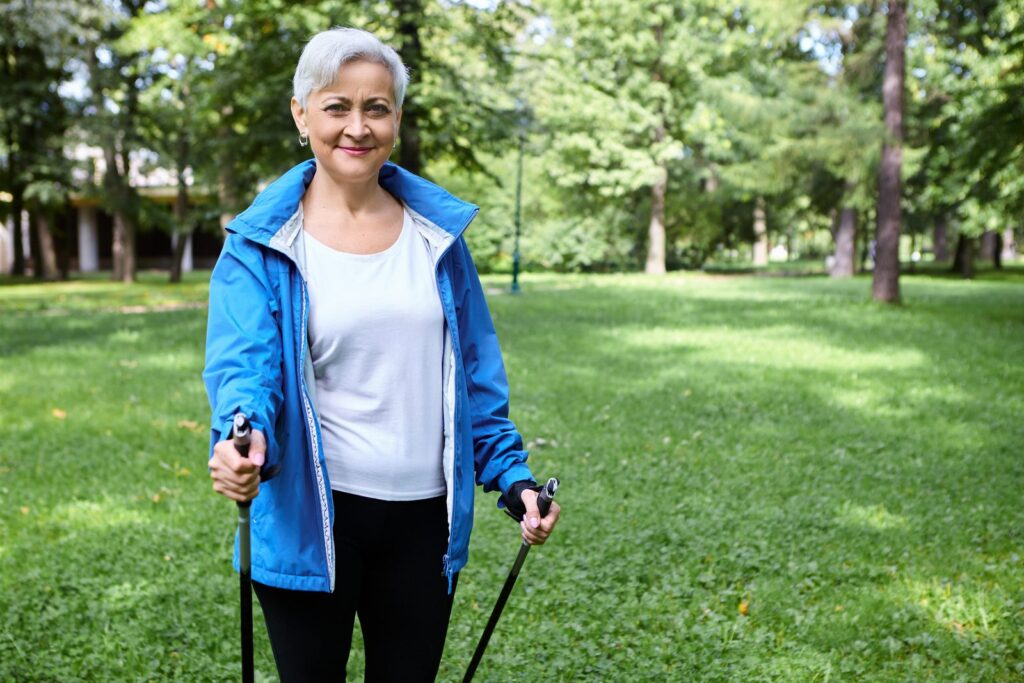
The Assurance maladie recommends weight-bearing exercise first, where the feet and legs carry the body’s weight: climbing stairs, walking or running, dancing, playing badminton or tennis. Resistance exercises (dumbbells, elastic bands) strengthen the bones in the area worked. Balance and coordination exercises reduce the risk of falls, the direct cause of most fractures. Our guide to everyday physical activity helps you get started.
A typical calcium-rich day
An example for an adult, aiming for the Anses 950 mg. Contents are calculated from Ciqual; portions are indicative.
- Breakfast: a 200 g bowl of semi-skimmed milk (about 240 mg), wholemeal bread, a piece of fruit.
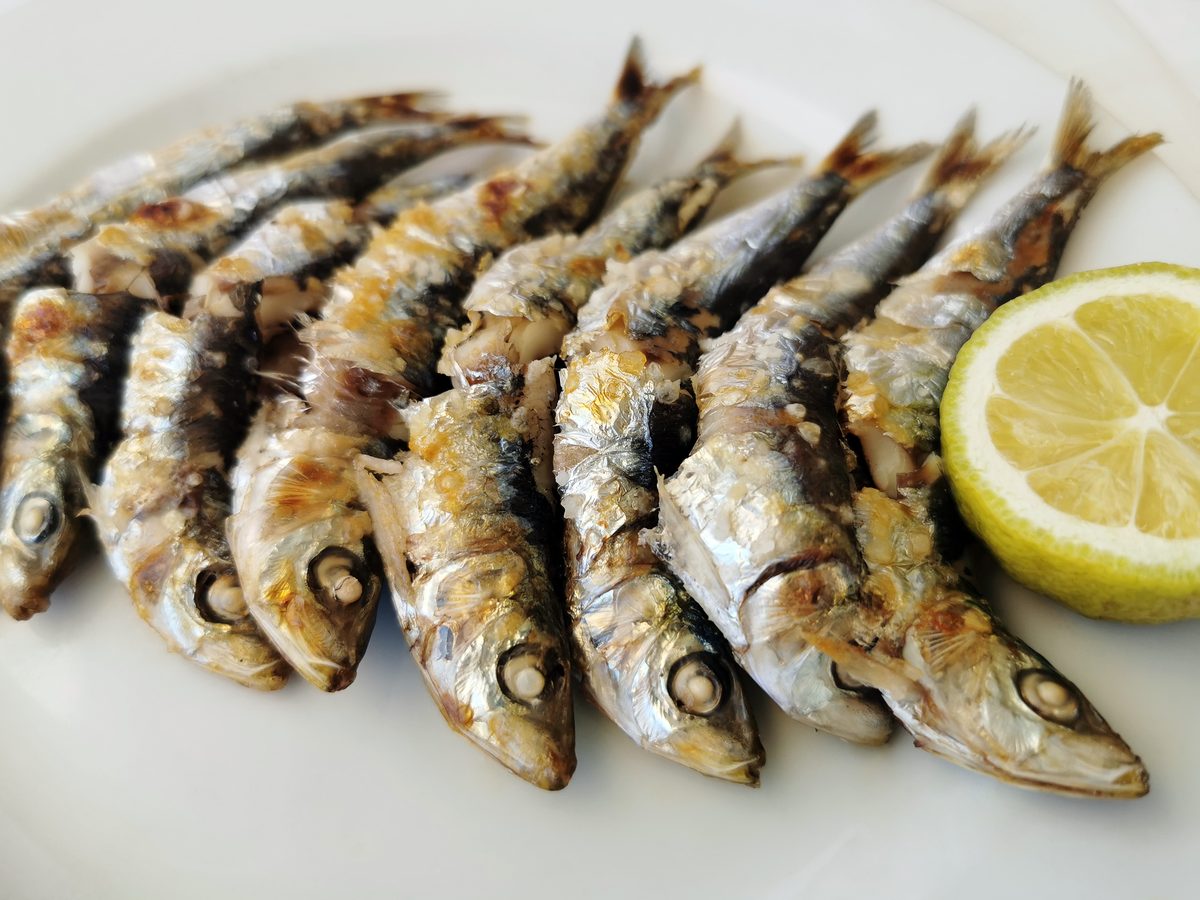
- Lunch: grilled sardines with lemon or 100 g of sardines in oil (333 mg), a white bean salad, a glass of calcium-rich water.
- Snack: a 125 g plain yoghurt (about 170 mg) and 20 g of almonds (about 50 mg).
- Dinner: a tofu, vegetable and sesame stir-fry, or a broccoli gratin with 30 g of Emmental (about 290 mg).
Indicative total: more than 1,000 mg, not counting mineral water or vegetables. For the menopause, a key period for bones, our dedicated guide goes further.
Priorities by age
- Childhood and adolescence: this is when bone capital is built. The highest calcium need of a lifetime (1,150 mg a day between 11 and 17 according to Anses) and regular physical activity, which the Assurance maladie recommends encouraging in children and teenagers. See children’s nutrition.
- From 25 to 45: bone mass is stable. The aim is to preserve it: 950 mg of calcium, vitamin D, no overly restrictive diets, limited smoking and alcohol. During pregnancy and breastfeeding, the Anses reference stays at 950 mg.
- At the menopause: bone loss speeds up for 5 to 10 years. This is the time to review your risk factors with your doctor.
- After 70: the Assurance maladie reminds us that nutritional needs do not decrease with age. Protein, calcium, vitamin D and fall prevention become priorities.
Common myths about bones
- “More calcium means fewer fractures.” Not beyond your needs. The review by Bolland et al. (BMJ, 2015) analysed 44 cohorts: most find no link between dietary calcium intake, milk or dairy products and fracture risk. Calcium supplements slightly reduce the risk of total fractures (-11%), but this effect disappears in the most robust trials. The aim is to meet your needs, not to greatly exceed them.
- “Increasing calcium greatly densifies bone.” According to the meta-analysis by Tai et al. (BMJ, 2015; 59 trials), increasing your calcium, through food or supplements, raises bone density by only 0.6 to 1.8%, a gain that does not grow over time.
- “Vitamin D alone prevents fractures.” The Cochrane review by Avenell et al. (2014; 53 trials, 91,791 participants) concludes that vitamin D alone is unlikely to prevent fractures, whereas vitamin D + calcium reduces the risk of hip fracture by 16%. The benefit is most marked in care homes: 9 hip fractures avoided per 1,000 people a year, against 1 per 1,000 among people living at home.
- “Spinach is a good source of calcium.” It contains 240 mg per 100 g, but bound to oxalates, so poorly absorbed.
- “Osteoporosis is a women’s issue.” A quarter of fragility fractures affect men.
Precautions
- Supplements: don’t take them without medical advice. The Cochrane review reports an increased, though small, risk of digestive problems and kidney disease with the combination of vitamin D and calcium, and hypercalcaemia, usually mild, that is more frequent with vitamin D. Anses reminds us that a prolonged excess of calcium can, in susceptible people, lead to hypercalciuria and kidney stones.
- Vitamin D: the tolerable upper intake level set by Anses is 100 µg a day for adults. Follow the prescription.
- Screening: a bone density scan is indicated after a fracture without violent impact, after more than three months of corticosteroid treatment, or in a postmenopausal woman with a risk factor (hip fracture in a parent, BMI below 19, menopause before 40). Talk to your doctor.
Frequently asked questions
How much calcium a day for an adult?
Anses sets the reference at 1,000 mg a day between 18 and 24 and 950 mg from 25, pregnancy and breastfeeding included. For a postmenopausal woman with osteoporosis, the Assurance maladie aims for 1,000 to 1,200 mg.
Can you get enough calcium without dairy products?
Yes, but it takes organisation: calcium-rich waters, fortified plant-based drinks, tofu, sesame, almonds, kale, pulses. Weaver et al. stress that an exclusively plant-based diet struggles to meet needs without fortified foods or supplements.
Does milk make you lose calcium?
Nothing shows this. The review by Bolland et al. finds no link between milk consumption and fractures in the great majority of cohorts, in either direction. Santé publique France recommends two dairy products a day.
At what age should you start thinking about it?
From childhood: bone mass is built until about the age of 25. After that, the aim is to preserve it, with increased vigilance at the menopause, when bone loss speeds up for 5 to 10 years.
Which sports are good for bones?
Those where you carry your own weight: walking, running, stairs, dancing, racket sports. Add muscle strengthening and balance work to prevent falls.
This article is for information only and does not replace the advice of your doctor or a dietitian.
Our sources
- Assurance Maladie (ameli.fr). Understanding osteoporosis (in French); Osteoporosis: diagnosis and progression (in French); Preventing osteoporosis (in French); Treating osteoporosis (in French), September 2024.
- Inserm. Osteoporosis feature: weakened bones at risk of fracture (in French), October 2023.
- Anses. Nutritional reference values for vitamins and minerals (in French) (calcium, vitamin D, vitamin K, magnesium, phosphorus); Calcium fact sheet (in French).
- Bolland MJ, Leung W, Tai V et al. Calcium intake and risk of fracture: systematic review. BMJ, 2015. PMID 26420387.
- Tai V, Leung W, Grey A, Reid IR, Bolland MJ. Calcium intake and bone mineral density: systematic review and meta-analysis. BMJ, 2015. PMID 26420598.
- Avenell A, Mak JC, O’Connell D. Vitamin D and vitamin D analogues for preventing fractures in post-menopausal women and older men. Cochrane Database of Systematic Reviews, 2014. PMID 24729336.
- Shams-White MM, Chung M, Du M et al. Dietary protein and bone health: a systematic review and meta-analysis from the National Osteoporosis Foundation. American Journal of Clinical Nutrition, 2017. PMID 28404575.
- Shkembi B, Huppertz T. Calcium Absorption from Food Products: Food Matrix Effects. Nutrients, 2021. PMID 35011055.
- Weaver CM, Proulx WR, Heaney R. Choices for achieving adequate dietary calcium with a vegetarian diet. American Journal of Clinical Nutrition, 1999. PMID 10479229.
- European Commission. Regulation (EU) No 432/2012 (claims on the maintenance of normal bones); Regulation (EU) No 1228/2014 (calcium and vitamin D in postmenopausal women).
- Santé publique France, Manger Bouger. The essentials of the dietary recommendations (in French) (2019 recommendations for adults).
- Anses. Ciqual food composition table (in French) 2025.