Group · Vegetables
Cucumber
The cucumber is one of the most refreshing and lightest vegetables in the garden. Made up of more than 95% water, it belongs to the cucurbit family, like courgettes and pumpkins. It comes in different varieties: the long smooth cucumber, the noa, the spiny cucumber, and the small gherkin, which is harvested young. A star of summer salads and party platters, it is eaten raw, in sticks, in slices or blended into cold soups. With just 16.8 kcal per 100 g, cucumber ticks every box for a balanced, hydrating diet. Its nutrition facts make it a great choice if you are watching your weight without giving up on enjoyment.

Macronutrient breakdown
Nutrition table per 100 g
| Calories | 17 kcal |
| Kilojoules | 71 kJ |
| Protein | 0,7 g |
| Carbohydrate | 2,9 g |
| Fat | 0,2 g |
| Fibre | 0,5 g |
Micronutrients per 100 g
All measured nutrients, ranked by share of the daily reference intake.
- Vitamin K116,4 µg22 %
- Potassium157 mg8 %
- Vitamin B50,26 mg4 %
- Manganese0,09 mg4 %
- Magnesium13,6 mg4 %
- Vitamin C2,8 mg4 %
- Phosphorus24 mg3 %
- Vitamin B60,04 mg3 %
- Vitamin B9dietary folate equivalents7 µg
See the other 12 nutrients
- Copper0,03 mg3 %
- Vitamin B10,03 mg2 %
- Calcium19,2 mg2 %
- Vitamin B20,03 mg2 %
- Zinc0,1 mg1 %
- Iron0,13 mg1 %
- Iodine1,18 µg1 %
- Omega-3 ALA0,02 g1 %
- Vitamin B30,1 mg1 %
- Vitamin A3,75 µg0 %
- Vitamin E0,03 mg0 %
- Omega-6 LA0,02 g0 %
Anses Ciqual 2025. Source: Anses, 2025, Ciqual food composition table
Tips
Cucumber is best eaten raw to enjoy all its freshness. Wash it well and leave the skin on when it is thin and untreated: it concentrates fibre and nutrients. Sliced in a salad, cut into sticks to dip in hummus, in tzatziki with yoghurt, or blended into gazpacho with mint, there is no shortage of ways to use it. A tip: salt it lightly and leave it to drain for a few minutes to reduce bitterness and excess water.
Calories and nutrition facts: with 16.8 kcal, 2.87 g of carbohydrate, 0.65 g of protein and only 0.11 g of fat per 100 g, cucumber has a very low calorie density and a low glycaemic index. It provides a little vitamin K, vitamin C, potassium and silicon, as well as a high water content that contributes to your daily hydration.
- Seasonality: it is at its best from May to September, sun-ripened and full of flavour.
- Storage: keep it in the vegetable drawer of the fridge and ideally eat it within 4 to 5 days.
- Pairings: it goes wonderfully with tomatoes, radishes or fresh herbs such as dill and chives.
Weight loss: low in calories and very thirst-quenching, cucumber is an excellent go-to when you are a bit peckish, without weighing down your energy balance. As a starter, it helps you feel full thanks to its volume and water. You can include plenty of it when rebalancing your diet. Watch out, though, for rich sauces (heavy dressings, cream), which can quickly push up the calorie count: choose a drizzle of olive oil, lemon juice or natural yoghurt instead.
If you exercise: thanks to its water and potassium content, cucumber helps keep you well hydrated, especially in hot weather or after a workout. Light and easy to digest, it rounds off a post-training snack without sitting heavy on your stomach. However, it doesn’t provide useful amounts of protein or carbohydrate for muscle recovery: pair it with something more substantial. For more on food and performance, see our fitness nutrition guidelines.
To vary your plate, explore other seasonal vegetables and compare what they provide in our food calorie table. Cucumber remains a staple of fresh, healthy meals that are easy to prepare.
Recipes with cucumber
Voir les 43 recettes →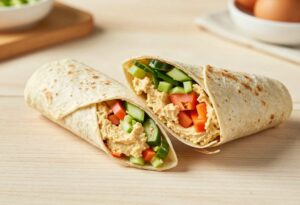
Vegetarian hummus and crunchy vegetable wrap
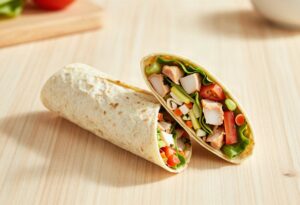
Chicken and raw vegetable wrap
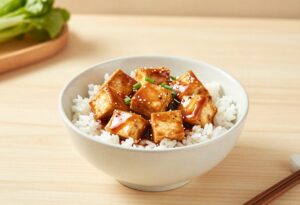
Tofu teriyaki bowl
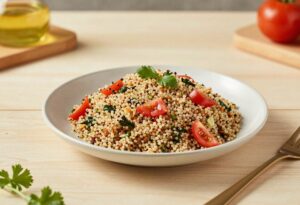
Quinoa tabbouleh
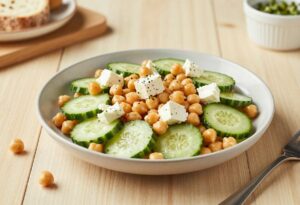
Chickpea, cucumber and feta salad
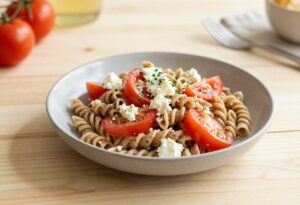
Wholewheat pasta salad with feta and tomatoes
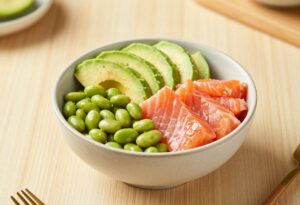
Salmon, avocado and edamame poke bowl
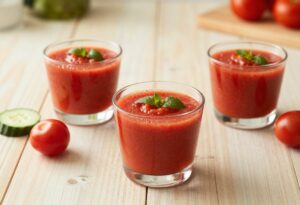
Tomato and cucumber gazpacho
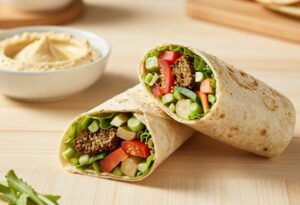
Falafel, hummus and crunchy veg wrap

Tzatziki
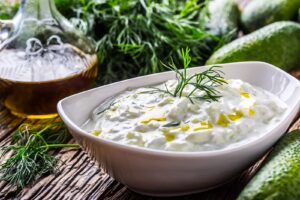
Cucumber and yoghurt tzatziki
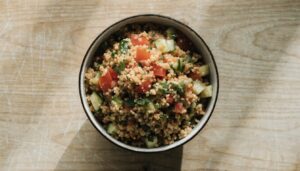
Tabbouleh
Guides about cucumber

Hydration and Sports Performance

Common Eating Mistakes to Avoid for a Healthy Diet

Empty Calories: Health Effects and Alternatives
Vegetables high in fibre: the ranking by real portion