Group · Fruit
Tomatoes
Botanically a fruit, the tomato is one of the most widely eaten foods in the world, sitting somewhere between fruit and vegetable on our plates. Round, oval, on the vine, cherry, beefsteak or heritage, it comes in countless varieties and colours, from deep red to yellow and striped green. With just 19.2 kcal per 100 g, it is low in calories, high in water and provides fibre, vitamin C and antioxidants such as lycopene. Raw, cooked, juiced or in a sauce, the tomato fits naturally into a balanced, flavourful diet, and it is especially welcome in summer.
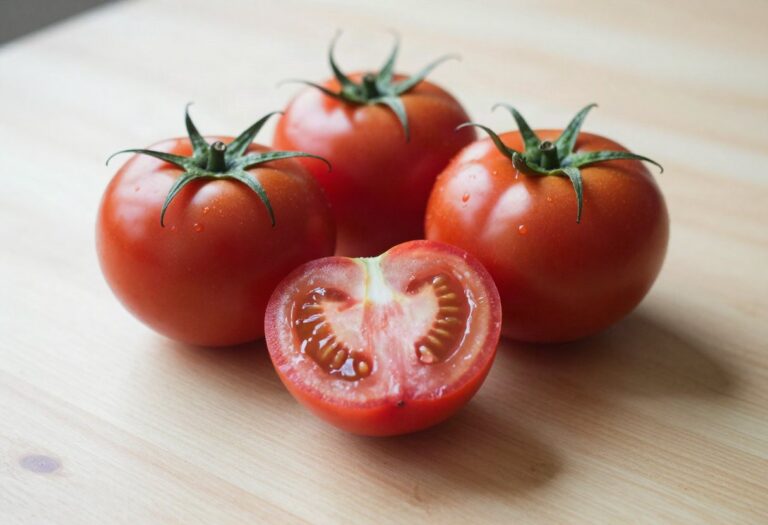
Macronutrient breakdown
Nutrition table per 100 g
| Calories | 19 kcal |
| Kilojoules | 81 kJ |
| Protein | 0,6 g |
| Carbohydrate | 3,7 g |
| Fat | 0,3 g |
| Fibre | 1,1 g |
Micronutrients per 100 g
All measured nutrients, ranked by share of the daily reference intake.
- Vitamin C20,1 mg25 %
- Potassium225 mg11 %
- Vitamin A72,9 µg9 %
- Manganese0,11 mg6 %
- Vitamin B60,07 mg5 %
- Vitamin E0,52 mg4 %
- Vitamin B30,51 mg3 %
- Phosphorus21,3 mg3 %
- Vitamin B9dietary folate equivalents14 µg
See the other 9 nutrients
- Copper0,02 mg2 %
- Magnesium7,49 mg2 %
- Vitamin K11,34 µg2 %
- Iron0,19 mg1 %
- Total omega-30,03 g1 %
- Vitamin B50,06 mg1 %
- Zinc0,09 mg1 %
- Calcium6,78 mg1 %
- Vitamin B20,01 mg0 %
Anses Ciqual 2025. Source: Anses, 2025, Ciqual food composition table
Tips
The tomato is perfect for light but tasty meals. Raw in a salad with a drizzle of olive oil, in gazpacho, stuffed, as a coulis or roasted in the oven, it works in endless dishes. Allow one or two medium tomatoes per portion, roughly 150 to 250 g, to enjoy their freshness without weighing the meal down.
- Calories and nutrition facts: very low in energy (19.2 kcal/100 g) and high in water (over 90%), it provides gentle fibre, vitamin C, potassium and carotenoids.
- Lycopene: this antioxidant, which gives tomatoes their red colour, is released more easily by cooking and in the presence of fat. A homemade tomato sauce simmered with a little olive oil is an excellent source.
- Low glycaemic index: with 3.69 g of carbohydrate per 100 g, tomatoes have a low glycaemic index, which makes them useful for feeling full.
For weight loss, their low calorie density lets you fill your plate without guilt. Choose them fresh and in season (June to September) to get the full flavour. Watch out, though, for processed products, ready-made sauces and ketchups, which are often high in added sugar and salt.
If you exercise, tomatoes help with hydration thanks to their water and potassium content, which is useful after a workout. Tomato juice or gazpacho makes a refreshing recovery drink. You can add tomatoes to your meals for volume and freshness, while topping up your protein intake to suit your goals. To find out more, read our advice on fitness nutrition.
Tomatoes go beautifully with mozzarella, basil, garlic, onions and olive oil, in the spirit of the Cretan diet. You can also mix things up by pairing them with other juicy fruits such as watermelon or melon in an unusual summer salad. To discover other foods in the same category, explore our page on fruit.
Storage: keep your tomatoes at room temperature, away from the cold of the fridge, which spoils their flavour and texture. Eat them fully ripe to make the most of their aromas and antioxidants.
Recipes with tomatoes
Voir les 193 recettes →
High-protein chicken wrap

Chicken and raw vegetable wrap
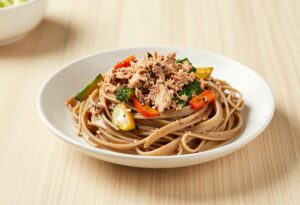
Wholewheat pasta with tuna and vegetables
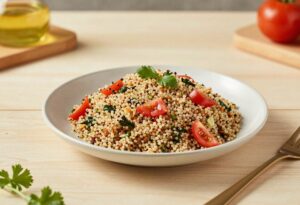
Quinoa tabbouleh
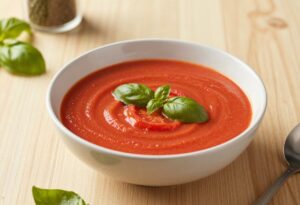
Tomato and basil soup
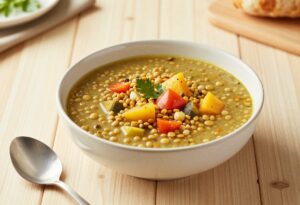
Lentil and vegetable soup

Rice, tuna and sweetcorn salad
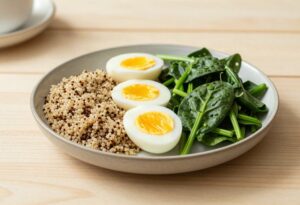
Quinoa, boiled egg and spinach salad
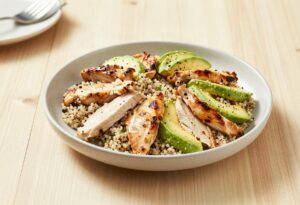
Chicken, quinoa and avocado salad
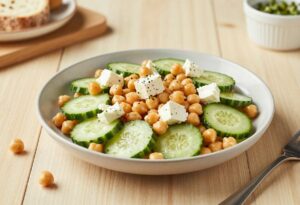
Chickpea, cucumber and feta salad
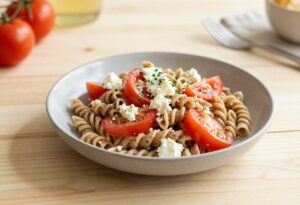
Wholewheat pasta salad with feta and tomatoes
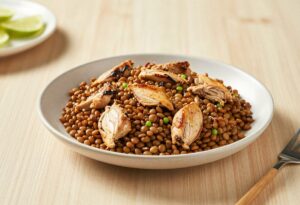
Lentil and chicken salad
Guides about tomatoes

Low FODMAP Diet: Easing Irritable Bowel Syndrome

The Cretan Diet: Good for Your Heart

Acid reflux and heartburn: what to eat

Hydration and Sports Performance

Batch cooking: how to prep healthy meals for the week
