Vegetables high in fibre: the ranking by real portion
The short answer
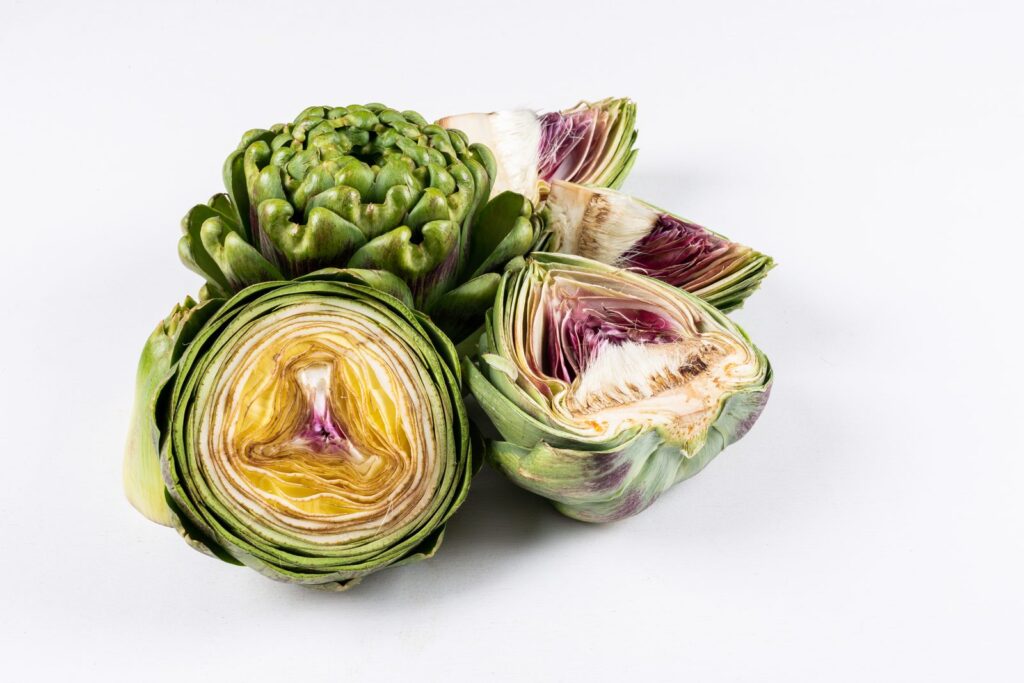
The artichoke is the vegetable richest in fibre: 8.3 g per 100 g, or 12.5 g per 150 g portion, 42% of the daily reference of 30 g, for 50 kcal. Parsnip, peas and Brussels sprouts follow. But the real champions are pulses: one portion of cooked coco beans provides 23.7 g, nearly 80% of the reference. Tomato, courgette and cucumber, by contrast, contain very little.
The vegetables richest in fibre
| Food | Per 100 g | Per 150 g | Share of 30 g | Calories per 150 g |
|---|---|---|---|---|
| Artichoke, cooked | 8.3 g | 12.5 g | 42% | 50 kcal |
| Parsnip, cooked | 5.6 g | 8.4 g | 28% | 137 kcal |
| Peas, cooked | 5.5 g | 8.3 g | 28% | 99 kcal |
| Brussels sprouts, cooked | 4.8 g | 7.2 g | 24% | 67 kcal |
| Kale, raw | 4.1 g | 6.2 g | 21% | 52 kcal |
| Green beans, cooked | 4 g | 6 g | 20% | 44 kcal |
| Avocado | 3.6 g | 5.4 g | 18% | 305 kcal |
| White cabbage, raw | 3.5 g | 5.3 g | 18% | 53 kcal |
| Leek, cooked | 3.4 g | 5.1 g | 17% | 37 kcal |
| Carrot, cooked | 3.3 g | 5 g | 17% | 44 kcal |
| Red pepper, raw | 3.2 g | 4.8 g | 16% | 50 kcal |
| Romanesco, raw | 3.2 g | 4.8 g | 16% | 45 kcal |
| Salsify, cooked | 3.1 g | 4.7 g | 16% | 102 kcal |
| Spinach, cooked | 2.7 g | 4.1 g | 14% | 29 kcal |
| Broccoli, cooked | 2.6 g | 3.9 g | 13% | 45 kcal |
The artichoke, far ahead
With 12.5 g per portion, the artichoke provides almost double the Brussels sprouts and double the green beans, for barely 50 kcal. It is the vegetable that takes you furthest towards 30 g, calorie for calorie.
The vegetables people think are rich in fibre
| Food | Per 100 g | Per 150 g | Share of 30 g | Calories per 150 g |
|---|---|---|---|---|
| Aubergine, cooked | 2.5 g | 3.8 g | 13% | 41 kcal |
| Cauliflower, cooked | 2 g | 3 g | 10% | 31 kcal |
| Courgette, cooked | 1.5 g | 2.3 g | 8% | 23 kcal |
| Tomato, raw | 1 g | 1.5 g | 5% | 29 kcal |
| Cucumber | 0.5 g | 0.8 g | 3% | 25 kcal |
Tomato, courgette and cucumber are mostly water: less than 2.5 g of fibre per portion. They have other qualities, but they are not what gets you to the reference.
Pulses, the real champions
| Food | Per 100 g | Per 150 g | Share of 30 g | Calories per 150 g |
|---|---|---|---|---|
| Coco beans, cooked | 15.8 g | 23.7 g | 79% | 195 kcal |
| White beans, cooked | 13.8 g | 20.7 g | 69% | 168 kcal |
| Flageolet beans, cooked | 13.8 g | 20.7 g | 69% | 168 kcal |
| Red kidney beans, cooked | 11.6 g | 17.4 g | 58% | 174 kcal |
| Lentils, cooked | 8.5 g | 12.7 g | 42% | 188 kcal |
| Chickpeas, cooked | 8.2 g | 12.3 g | 41% | 222 kcal |
| Red lentils, cooked | 8.2 g | 12.3 g | 41% | 185 kcal |
| Split peas, cooked | 8 g | 11.9 g | 40% | 194 kcal |
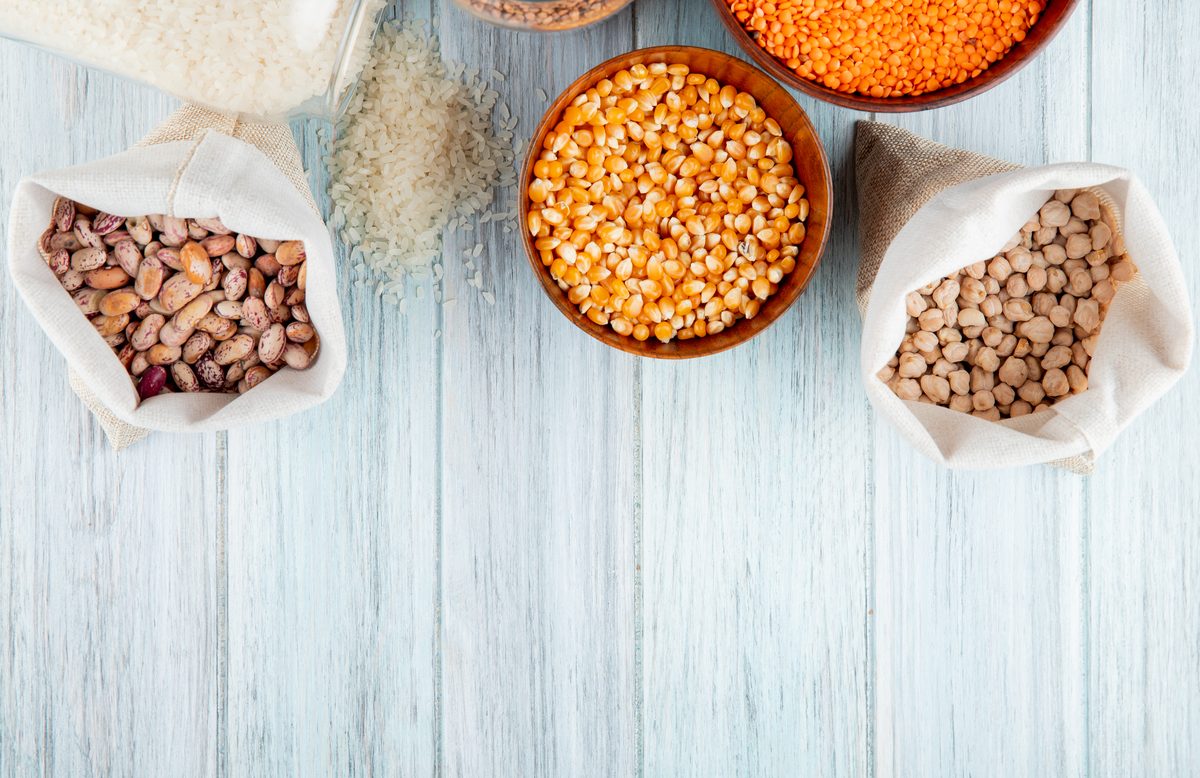
One portion of white beans or flageolet beans covers more than two thirds of the reference on its own, which is almost two portions of artichoke or five of broccoli. If you want to eat more fibre, this is the most powerful lever. Pulses also provide protein, see our guide to plant protein.
How much fibre per day
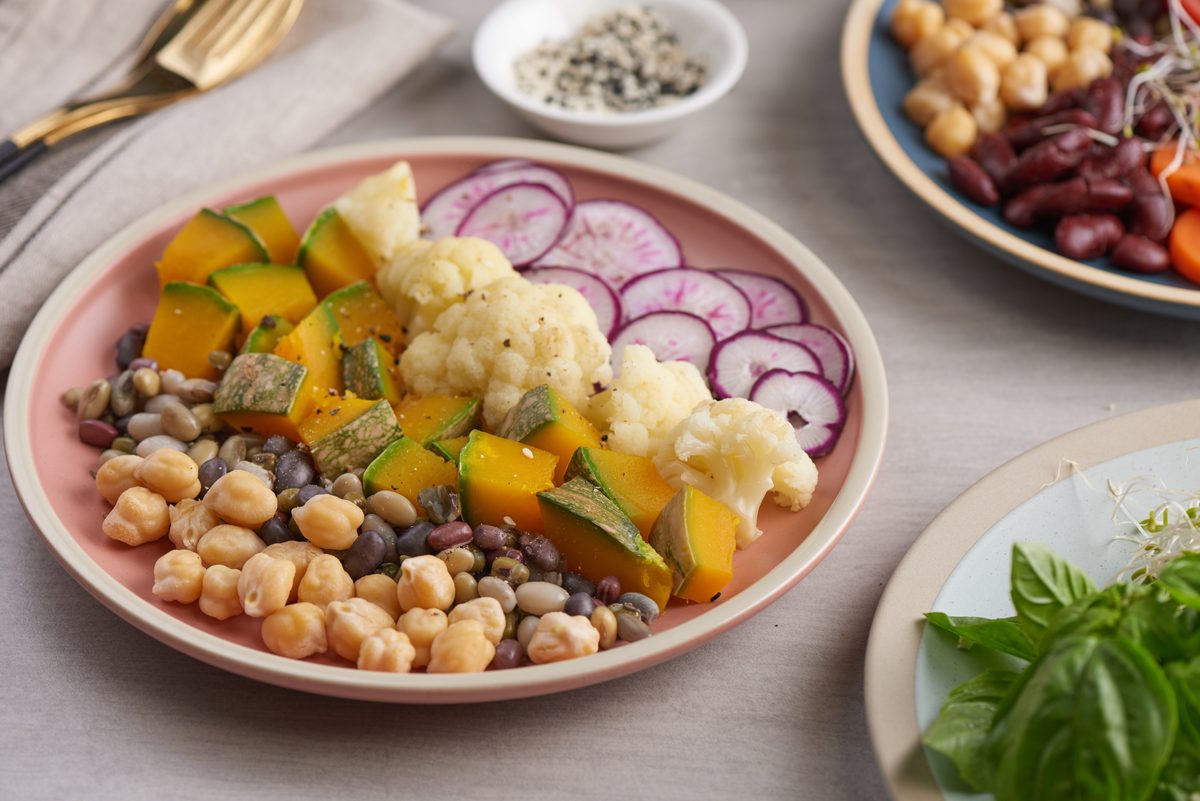
Anses recommends 30 g of fibre per day for an adult. A day that reaches it without anything special: 150 g of lentils (12.7 g), 150 g of green beans (6 g), 150 g of carrots (5 g), a kiwi (2.9 g) and a 150 g bowl of raspberries (6.5 g), giving 33.1 g. Increase your fibre gradually and drink enough water, to avoid the bloating of the first few days.
The role of fibre in digestion, fullness and blood sugar is covered in our guide to dietary fibre. If a supplement is justified, psyllium powder remains the most economical, as our comparison of fibre supplements shows. Fruits rich in fibre, raspberry and blackberry first, are in our ranking of the least sugary fruits.
Frequently asked questions
Which vegetable contains the most fibre?
Cooked artichoke, with 8.3 g per 100 g, or 12.5 g per portion. The parsnip, peas and Brussels sprouts follow.
Which foods are richest in fibre?
Pulses: cooked coco beans provide 15.8 g per 100 g, white beans and flageolet beans 13.8 g.
Are tomato and cucumber rich in fibre?
No. Water-rich vegetables such as tomato (1 g per 100 g), courgette (1.5 g) or cucumber (0.5 g) provide little fibre.
How much fibre per day?
Anses recommends 30 g per day for an adult. One portion of pulses and two or three portions of vegetables and fruit are enough to reach it.
Are peas rich in fibre?
Yes: 5.5 g per 100 g cooked, or 8.3 g per 150 g portion, 28% of the reference. They are the vegetables richest in fibre after the artichoke and the parsnip.
The other rankings
Same method, based on the Ciqual table: foods high in iron, foods high in magnesium, foods high in potassium, foods high in calcium, foods high in zinc, foods high in selenium, foods high in iodine, foods high in vitamin B12, foods high in vitamin C, foods high in vitamin D, foods high in omega-3, highest-protein foods, least sugary fruits.
Our sources
- Ciqual 2025 table (Anses), Dietary fibre column in g/100 g, cross-checked with the site’s food pages.
- Anses, Update of the PNNS guidelines: revision of the food consumption guidelines (in French), 2016.